You either crave a dedicated dining room or you treat yours like a storage closet for boxes you’ll never open. Both extremes miss the point. You don’t need a separate room to eat well. You need flexibility.
The homeowners who have that private space are lucky. But those with a unused corner or a cramped hall don’t need to despair. With a little rearranging and some smart choices, any underused square footage can become a functional eating zone.
Style That Fits Your Vibe
Decorating isn’t about following a rigid rulebook. It’s about setting a mood.
Go Glam or Go Modern
If you like drama, lean into luxury. You don’t need a chandelier to get a glamorous feel. Sometimes it’s just about the tableware and the lighting. For a sleek look, strip it back. Ultra-modern decor creates a sense of calm and high-end polish. Think clean lines and minimal clutter.
Traditional and Formal
Do you host holiday dinners for twenty people? You need a space that can handle the load. Traditional dining rooms offer the structure for large-scale entertaining. You can stock up on accessories, heavy linens, and formal china. It’s about comfort meets protocol.
Romantic and Colorful
Intimate dinners don’t require silence or stiff chairs. A splash of color can make a room feel inviting. Think wine nights with friends. Rich hues and soft lighting create a romantic atmosphere perfect for two or a small group.
Practical Setup for Small Spaces
You can turn a family room or den into a dining spot if you calculate the space correctly.
Figure out about 8 square feet for a table for four. Plus around 36 inches for the chair pull-out.
If you’re tight on space, skip the individual chairs.
- Build a bench: Hire a carpenter to build a stationary bench flush against the wall.
- Use a skinny table: Place a narrow pine table in front of the bench.
- Add seating: Put ladder-back chairs opposite the wall.
This setup saves floor space and keeps traffic flowing.
Multi-Functional Furniture Solutions
Don’t buy furniture that does only one thing. Your dining area should adapt to your day.
- Drop-leaf tables: Tuck a drop-leaf table in a spacious entry hall. It works as a hall table one moment and seats guests the next.
- Round tables: A round table beside a sofa creates a romantic oasis. Cover it with a colored cloth. Pull up seats. Light the fire.
- Salvaged garden tables: Pair them with feather-light wicker chairs or benches that slide easily.
Diverse chair styles add drama. Wing chairs look stately. Love seats offer cozier seating. Even ottomans work if they have wheels. Flexible dining should be easy to manage. Collect pieces that nestle together when not in use.
Start looking at your unused corners differently. That empty space isn’t wasted. It’s waiting for a table.
You don’t need a massive footprint to store dishes. Look at plate racks. Wall shelves work too. Even a corner china cupboard adds handy inches without eating up floor space. It’s about using every vertical inch.
Furniture choice dictates the flow. A round table softens a boxy room. It encourages conversation. A small square table fits tight quarters. Long farmhouse tables anchor rectangular spaces. Place yours on a bright area rug. Or center it under a window. The right table becomes the room’s anchor.
Lighting sets the mood. A stunning chandelier is non-negotiable for ambience. Choose one that holds candles or electric bulbs. It doesn’t matter. The visual weight matters.
Color psychology plays a role here. Warm colors stimulate conversation. Paint walls a soft red. Or use richly textured wallcovering. Want something cooler? Try hydrangea-purple or pistachio-green. Team them with crisp white moldings. It creates a Monet-garden air. It feels fresh. It feels open.
Seating needs comfort. Slipcover the chairs. Or add simple seat cushions. Pick a contrasting color. Or a pleasing floral pattern. It ties the room together.
If you want glamour, this is your starting point. The next section covers how to make your dining room gleam with glamor.
To get more decorating ideas as well as tips and information on decorating your home, visit:
-
Kitchen Decorating Ideas
-
Decorating Ideas
-
Bedroom Decorating Ideas
-
Bathroom Decorating Ideas
-
Home Office Decorating Ideas
-
Decorate Home Spaces Ideas
-
Interior Decorating
-
Home Decorating Tips
-
How to Design a Kitchen
-
Decorating Styles
Most people picture a dining room as a box containing a table and chairs. It’s functional. It’s boring. It’s perfunctory. You can do better.
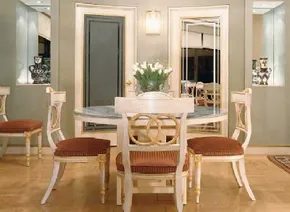
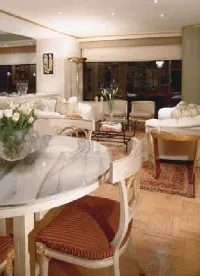
Take a close look at this specific setup. It works because it respects boundaries. The space stands just far enough apart from the living area to claim its own square footage. That separation is non-negotiable for comfort. You need room to move, to pull out a chair, to breathe. The round table and elegant chairs here achieve “dining-room status” largely because they aren’t fighting for space with a sofa or a TV.
So what’s the magic ingredient?
It’s not just the furniture. It’s the light. The elongated chandelier is dazzling. It draws the eye upward and creates a focal point that anchors the room. Then there’s the painted furniture embellished with gold. That metallic touch catches the light and adds a layer of sophistication that plain wood can’t match.
Look at the background. You have mirrors and glass. These surfaces twinkle. They don’t just reflect light; they multiply it. If you were to light candles on this table, the glow wouldn’t just sit on the wood. It would bounce off every reflective surface. You’d be surrounded by it.
The floor plays a supporting role. The champagne-colored wood provides a warm base. It’s subtle. It doesn’t shout. A rug might soften the vibe, but it would also lessen the formality. This space demands a bit of structure. The large windows are positioned across the room, but they bring in the romance of city lights. That external glow works its charm here, blending the interior elegance with the urban exterior.
If your style leans less toward gold and mirrors and more toward clean lines, the approach shifts. You don’t need sparkle to make a statement. You need precision.
How to Create a Modern Dining Room
Modern design strips away the ornamentation. It relies on form and function. Where the previous example used gold and chandeliers, a modern space uses geometry and matte finishes.
Think about the table shape. The round table in the previous example invites conversation. A modern setup might opt for a sleek oval or a sharp rectangular form. The chairs should complement this. Think tapered legs, minimal armrests, and upholstery in neutral tones or bold, singular colors.
Materials change too. Glass tops, brushed steel, and dark woods replace the gold embellishments. Lighting becomes architectural. Instead of a dangling chandelier, you might look for a linear pendant or a cluster of small, identical bulbs.
The floor choice matters here. While champagne wood works in traditional settings, modern spaces often benefit from concrete, light oak, or even large-format tiles. The lack of a rug maintains that crisp, uncluttered feel.
Windows are still key, but the treatment is different. Sheer curtains or clean blinds replace heavy drapes. The goal is to frame the view, not hide it.
Practical Steps for Your Own Space
You don’t need to tear out your living room to fix your dining area. You just need to be intentional.
- Define the Zone. Use furniture placement to create a physical or visual separation. If you can’t move walls, use a console table or a change in floor texture to mark the boundary
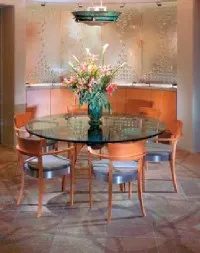
Modern Dining Space with Desert Views and Curved Lines
The shift to this dining area is immediate. It feels less like a corner of the house and more like a distinct zone. A glass screen acts as a visual barrier, mimicking the flow of a waterfall while standing guard over a wood buffet. The goal is simple: keep the chaos of the kitchen from spilling into your meal.
The setup works because it frames the outside. Glass doors sit right next to the table. You eat with spectacular desert vistas in your peripheral vision. Above you, the ceiling is raised dramatically. You aren’t staring at a stove or splattering grease. You are looking out or up.
The materials in this space are as important as the architecture.
Texture does the heavy lifting here. The floor is stone. The chairs are banded with steel. A modern metal light fixture hangs overhead. The table top is glass. The curved buffet is layered with granite. It is a full serving of contrasting surfaces. These materials make the room memorable without trying too hard.
Colors keep things calm. The finishes and fabrics pull from the natural surroundings. This restraint produces a serene atmosphere. It doesn’t fight the landscape. It complements it.
Curves define the mood. There are very few sharp edges to jar your senses. The buffet bends. The dining chairs flow. Even the upholstered seats in the adjacent living area follow suit. Round tables sit beside a ceiling dome. Soft lines soften the space.
If you want to replicate this, focus on the geometry of the room. Use a glass partition to separate cooking from eating. Choose materials that reflect the local environment. Stone, steel, and granite anchor the space. Glass opens it up.
For a different mood, consider creating a serious, luxurious space set aside specifically for great meals and conversation. In the next section, get ideas for creating a traditional dining room.
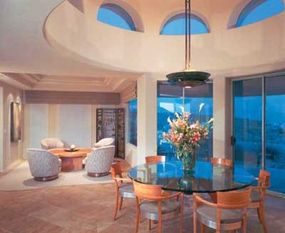
Traditional and Formal Dining Rooms
If you are looking to transform your dining space into something that feels both elegant and inviting, traditional design offers a timeless roadmap. This style isn’t about stiff, museum-like formality. It’s about comfort with a side of sophistication. Think rich woods, plush fabrics, and symmetrical layouts.
The foundation of a traditional dining room relies on a few key elements. First, you need furniture with character. A solid wood table is non-negotiable. Oak, walnut, or mahogany work best. Avoid particle board or veneers that peel. You want pieces that last decades, not just until the next trend cycle. Pair the table with chairs that have carved details or upholstered backs. Linen or velvet fabrics add texture and softness to the room.
Lighting plays a huge role here. A chandelier is the centerpiece. It doesn’t have to be crystal, but it should be noticeable. Brass, bronze, or antique gold finishes fit the bill. Position it directly over the table. The bottom of the fixture should hang about 30 to 36 inches above the tabletop. This height invites conversation while providing enough light to see your meal clearly.
Color palettes in traditional spaces tend to run deeper. Navy blue, forest green, burgundy, or warm neutrals like cream and beige. These colors create a cozy, enclosed feeling. It makes the room feel like a sanctuary. If you have large windows, layer your treatments. Sheer curtains for privacy during the day, heavy drapes for the night. Fabric matters here. Silk, damask, or brocade add that extra layer of luxury.
Art on the walls shouldn’t be an afterthought. Framed prints, oil paintings, or even a gallery wall of family photos work well. Keep the frames consistent. Wood or gold tones tie everything together. Avoid modern, abstract pieces that clash with the classic vibe.
Flooring can be hardwood with a large area rug, or even carpet if you want maximum comfort underfoot. A rug defines the space. It anchors the table and chairs. Choose a pattern that complements, doesn’t compete with, the room’s other elements. Stripes, florals, or geometric patterns in traditional motifs are safe bets.
Storage is often overlooked in dining rooms. A sideboard or buffet is essential. It provides surface space for serving and hides extra linens, china, or silverware. Look for one with drawers and cabinets. The more storage, the less clutter on the table.
When styling the table, less is more—but not too little. A runner or a full tablecloth sets the tone. Napkins folded neatly, silverware aligned properly. Candles are a must. They add warmth and flicker. Use votives or pillar candles in holders that match your lighting fixtures.
Don’t forget the smaller details. A mirror on the wall can make a small dining room feel larger. It reflects light and creates depth. If you have a bay window, add a window seat with cushions. It’s a perfect spot for morning coffee or evening wine.
Maintenance is straightforward. Vacuum upholstered chairs regularly. Dust wooden surfaces weekly. Polish metal fixtures occasionally to keep them from tarnishing. With a bit of care, a traditional dining room stays fresh and inviting for years.
“A traditional dining room isn’t about showing off. It’s about creating a space where people want to
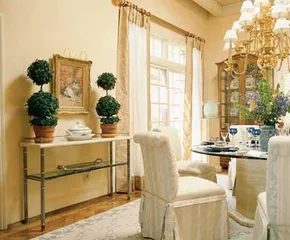
Anchoring the Formal Dining Space
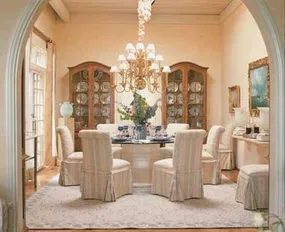
Start with the foundation. Cream-colored walls and wood floors create a neutral canvas that doesn’t fight for attention. They let the heavy furniture take center stage. This setup is classic French-country influence. It’s about elegance without being stiff.
The centerpiece here is the dining table. It features a glass top. That adds lightness. But the base is the opposite. It’s thick travertine. Heavy stone grounds the piece. It stops the table from looking flimsy. Pair this with twin arched-top china cabinets. They flank the window. This symmetry balances the room’s volume.
Maximizing Vertical Space and Color
High ceilings can feel empty. These cabinets solve that problem. They draw the eye upward. They make the room feel taller. Not just taller. Grand.
Inside the cabinets, the dishware isn’t just storage. It’s decor. The china interjects subtle color into the neutral scheme. You don’t need bright paint. You don’t need bold wallpaper. Just nice plates and glasses. They pop against the cream walls.
Comfort matters, though. A formal room shouldn’t feel like a museum. Six upholstered chairs surround the table. They provide softness. They invite people to stay. Guests can lean back. They can relax while still looking polished.
The Finishing Touches
Lighting changes everything. Hang an elaborate triple-tier chandelier. It becomes a focal point. It reflects off the glass tabletop. It adds sparkle.
Flooring needs texture. A needlepoint rug in muted shades works well. It doesn’t shout. It complements. It adds warmth underfoot.
Art on the walls ties it all together. Select handsome pieces. Not necessarily expensive. Just appropriate. They complete the look.
“Add an elaborate triple-tier chandelier, a needlepoint rug in muted shades, and some handsome art, and all your guests will want to dress up for dinner.”
The result is a room that demands effort. Not from the homeowner, but from the guest. They’ll want to dress up. They’ll want to feel part of the occasion. This isn’t just a place to eat. It’s a stage. And the set design is ready.
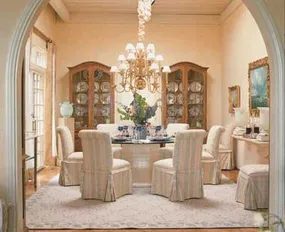
You don’t need a ball to prove your taste. That’s the first lesson from this space. Even when the table is bare, the room holds its ground. It’s not just a place to eat. It’s a statement.
The magic happens when you bring out the good stuff. Antique china. Clear glass. Cobalt stemware. The contrast does the heavy lifting. But here’s the thing. The room works on its own. You don’t have to wait for guests. The architectural details carry the weight.
Look at the archway. It frames the view from the living room. That’s not accidental. It’s a gracious invitation. It pulls the eye down the hall and makes the whole house feel connected. A dining room like this doesn’t just serve dinner. It enhances the entire home. It adds a regal presence.
Mixing Styles Without the Clash
If you’re brave enough to mix and match, you’re already halfway there. Stick to one style and it feels safe. Boring. But blend them? That’s where character lives.
The next section dives deep into decorating tips. Photos included. You’ll see how disparate elements can coexist. It’s about rhythm. Balance. And a little bit of luck.
Romance and Color in Dining Room Decor
Color is the heartbeat. Romance is the soul. Get them wrong, and you get a cafeteria. Get them right, and you get a memory.
Think about light. Warm tones. Deep hues. They interact with the natural glass and the aged porcelain. It’s a dance between old and new. Between rigid structure and fluid color.
“A room maintains its character even when not called into service.”
That quote from the source material is key. You’re not designing for the event. You’re designing for the empty space. The quiet moments. The morning coffee. The late-night whiskey.
If you want more ideas, the links below will help. But start with the basics. Pick your colors. Choose your glassware. And don’t be afraid of the empty table.
- Kitchen Decorating Ideas
- Decorating Ideas
- Bedroom Decorating Ideas
- Bathroom Decorating Ideas
- Home Office Decorating Ideas
- Decorate Home Spaces Ideas
- Interior Decorating
- Home Decorating Tips
- How to Design a Kitchen
- Decorating Styles
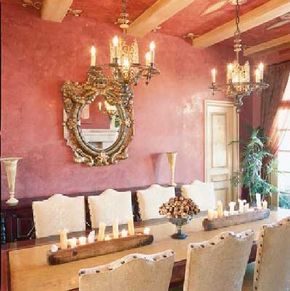
Blending Traditional and Ethnic Design Elements
This dining room doesn’t follow a single style guide. It’s a mashup. You have classic upholstered chairs that feel right at home in a stately English manor. Then there are the chandeliers. Those look like they belong in a busy Indian bazaar. The contrast is jarring if you look too close. But from a distance, it works.
The trick is the color palette. Rose walls meet pale trim and woodwork. This keeps the mix from feeling chaotic. The walls aren’t just pink. They are deep. They add weight to the room. On a cold night, that richness makes the space feel opulent. It feels cozy. Not cold.
Focal Points and Lighting Strategy
Symmetry matters here, even in an eclectic space. One side of the gleaming table has a baronial hearth. It anchors the room. You can’t miss it. It’s a heavy, traditional element.
Across from it? An ornate mirror. This isn’t just decoration. It’s functional. During the day, it catches natural light and throws it around the room. At night, when you light candles, the mirror amplifies the glow. It doubles the warmth.
“The walls’ rich color adds depth to the space, making it appear more opulent and cozy even on the chilliest of evenings.”
If you’re trying this at home, watch your light sources. Hard light kills the mood. Soft, reflected light—like from that mirror—builds atmosphere. Pair it with the deep wall color. Avoid bright white ceilings. They’ll flatten the effect. Stick to warm tones in your fixtures.
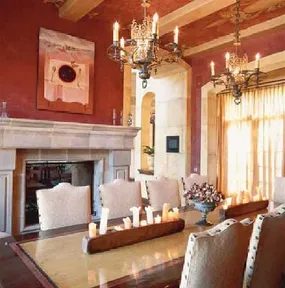
Guests usually don’t look up. They focus on the table setting. The food. The conversation. But if they do tilt their heads back, they should find something worth seeing. A plain white ceiling is a missed opportunity. It’s boring. It disappears.
Instead, install a decorative pattern.
It doesn’t have to be a full mural. Just enough texture or design to catch the eye. When someone lifts their gaze, the surprise adds depth to the room. It turns a standard meal into an event. You’re not just eating; you’re experiencing the space.
This is the kind of detail that lingers in memory. Years later, people remember the room where the ceiling had personality. They remember the moment they looked up and smiled.
Creating Your Style
You can blend any aesthetic here. Go modern. Keep it sleek. Or lean traditional. Heavy drapes. Rich woods. The ceiling treatment works with all of them.
Need it romantic? Soft colors. Textured plaster. Glamorous? Metallic accents. Bold geometric prints.
There’s no single correct way to decorate a dining room. You pick the vibe. Then you build around it. The key is intention. Every element should serve the mood you’re chasing.
Other Design Spaces
If this approach sparks ideas for other corners of your home, check out these resources.
- Kitchen Decorating Ideas
- Decorating Ideas
- Bedroom Decorating Ideas
- Bathroom Decorating Ideas
- Home Office Decorating Ideas
- Decorate Home Spaces Ideas
- Interior Decorating
- Home Decorating Tips
- How to Design a Kitchen
- Decorating Styles
The goal is consistency. Or interesting contrast. Either way, you control the narrative. Start with the ceiling. See where it leads.