
Nobody forgets the good stuff. The laughter, the good food, the vibe. What people do forget, though, is the panic. The stress of deciding what to serve, who to call, and why the living room looks like a disaster zone three days before the guests arrive.
Christmas adds a layer of complexity that regular weekends don’t have. You are fighting against time, budget, and the sheer volume of expectations. It’s enough to make you want to cancel everything and hide in the pantry.
You don’t have to. You just need a plan.
This guide covers the basics. It gives you the themes, the menus, and the tricks that actually work. We’ll walk you through the setup, from the first idea to the last cleanup.
Choosing a color scheme and centerpieces
You want the room to feel festive. Not chaotic. Not overwhelming. Just exciting enough that people want to settle into the sofa and stay.
Start with a color palette. Stick to two or three main colors. Deep greens, golds, and whites work well. So do red and silver. Pick a theme early. It makes every other decision easier.
Now, the centerpiece.
“A simple decoration can turn your house into a seasonal wonderland.”
You don’t need a $500 floral arrangement. You need something that sets the tone. A bowl of pinecones. A cluster of candles. A basket of wrapped gifts. Keep it low so people can see each other.
Planning the invite and the theme
Thinking of a great party is easy. Making it happen is the hard part.
Treat it like a project. Break it down.
- Pick a date. Check calendars.
- Choose a theme. This dictates your decorations, your food, and even your playlist.
- Send invites. Digital is fine. Paper feels more personal.
- Plan the menu. See the recipes below.
Don’t wait until the last minute. The best parties happen because the host stayed calm.
Try a classic recipe
You need food. Good food. Something that tastes like Christmas.
Think about the crowd. What are they hungry for?
- Cranberry sauce. No, not the jellied stuff. A fresh, cooked version with a little orange zest.
- Garlic roasted potatoes. Simple. Satisfying. Pairs with almost anything.
- A warm drink. Mulled wine or spiced apple cider. Keep a pot on the stove.
These aren’t fancy. But they work. They fill the room with smell and warmth. They make people feel like they are in the right place.
Build a low-cost ornament centerpiece that actually looks professional
You want that specific feeling. The crackle of the fire. The sharp scent of cedar. The taste of cookie dough that never quite got into the oven. Christmas hits your senses hard, and your brain remembers it all. Decorating is the cheapest, fastest way to trigger those memories. It does not have to be a massive, store-bought display. You can build a centerpiece in under an hour with supplies you likely already have.
The build is simple. It relies on dry floral foam acting as the structural base.
What you need:
- Dry floral foam
- Knife
- 4- to 6-inch-high brass bowl (or a plastic liner if you want to skip the glue)
- Hot glue gun and sticks
- Ruler
- One evergreen bough
- 14 Christmas ornament balls
- 12 small pinecones
- A spray of plums (roughly 7)
- 4 berry sprays, cut into pieces
- 3 poinsettia flowers with leaves
How to assemble the structure without a mess
Start with the foam. Cut it to fit the bottom of the bowl. Use the ruler to check the size before you cut. If you are using a plain metal bowl, hot glue the foam directly to the base. If the bowl is plastic or you just do not want to risk the finish, line it first. The foam needs to be secure so the weight of the ornaments does not shift it.
Now, handle the evergreen bough. Cut it into segments. You want lengths between five and six inches. Do not worry about perfect uniformity. The goal is to create a rim.
Take those cut pieces and glue them around the edge of the container. You are building a wall. The greens should wrap the perimeter. This hides the raw foam and the glue line. It gives the piece a finished, lush border before you even add the decorations.
Placing the ornaments and filling the gaps
Now comes the fun part. Mound the Christmas ornament balls, pinecones, plums, and berry sprays on top of the greens and the exposed foam.
Do not just throw them in. Think about depth. Place the larger items first. The pinecones and ornament balls should stand out. Use the hot glue to anchor them as you go. The glue cools fast, so hold each piece for a few seconds.
You will have holes. This is expected. Do not leave them. That is where the detail comes in.
Take the remaining sprigs of greens, the poinsettia flowers, and the extra poinsettia leaves. Glue these directly into the gaps between the larger ornaments and pinecones. This step is critical for the look. It creates density. It makes the centerpiece look like a living arrangement, not a collection of objects glued to a bowl. The poinsettias add height and a splash of red that ties the whole thing together.
Why color strategy matters more than quantity
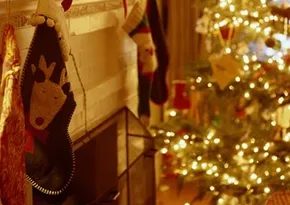
People obsess over how many lights or ornaments they have. That is the wrong metric. The colors of Christmas drive the mood. The glowing strings, the festive stockings, the wrapped gifts. They all contribute to a specific vibe.
Before you finalize your palette, decide on the feeling you want.
- Icy and intense: Think blues

Setting the Mood: Why White Works for Any Home Style
You don’t need a ballroom to pull this off. A white Christmas scheme fits right into a modern apartment or a cozy traditional living room. It is versatile. That is the whole point.
If your space leans contemporary, all-white decor feels current. It looks up-to-date. In a traditional house, that same white palette gives you a homespun, holiday feel without the clutter.
Lighting changes the game. Twinkling white lights work well here. Add touches of silver, and the room starts to shimmer. Flickering candles or a roaring fireplace do heavy lifting. They add warmth to the cold, pure white tones. This contrast makes any gold or silver accents pop.
White is not just a color. It is a canvas that lets your light and texture do the talking.
Planning the Party: From Decor to Details
Decorations are picked. Now the logistics start. A Christmas party is more than just aesthetics. It is about flow, food, and timing.
You want the room to feel right, but you also need to know how to actually execute the event. The transition from setup to hosting requires a plan that accounts for guest arrival, food service, and cleanup.
Recipes That Anchor the Menu
Food anchors the memory. Choose items that match the theme or just taste good. A few specific recipes help ground the party in tangible, delicious details.
- Christmas Castle: A decorative centerpiece that doubles as a food item.
- Christmas Cookie Tree: Visually striking, easy to assemble, and perfect for a white-themed table.
- Ginger Shortbread Delights: A classic flavor profile that pairs well with a traditional or modern setting.
- Mocha Nog: A warm beverage that complements the candlelight and fire element you set up earlier.
These are not just suggestions. They are practical steps. Pick one or two that fit your skill level and your guest count. The goal is to make the party feel real, not just a Pinterest board.

Why Hosting a Holiday Gathering Actually Requires Less Work Than You Think
You can hack the labor. The secret isn’t working harder on the day of the event; it’s doing the heavy lifting three weeks prior. Most people botch these nights because they try to cook, clean, and mingle all at once. Stop that.
If you are hosting during the holiday rush, send the invites early. Three weeks is the sweet spot. It gives guests a chance to say yes before they are booked for something else. Be specific in those notes. List the start and end times. State clearly if it is a light snack night or a sit-down dinner. Include directions. If you have to guess where people are coming from, you are already behind.
The menu needs to be built for speed, not complexity. You want dishes that survive the freezer or the fridge for days. Bake them on the day. Do not test a new recipe on your guests. That is a recipe for disaster. Stick to what you know works. If you have never made a specific dish before, try it once, alone, and see how it holds up.
How to Cut Down on Dishes and Cleanup
Serve food you can eat with your hands. Finger foods reduce spills. They keep the table clean. They mean fewer forks, knives, and plates to scrub.
If you must serve plated meals, ensure you have enough chairs. At least half the guests should be able to sit down. If you are short on seating, the room becomes chaotic. Traffic flow matters. Put the bar near the ice and water. Spread food trays across side tables and buffets, not just one central spot.
Hide the trash cans. Place them inconspicuously near the food and the bar. You want to prevent the pile of dirty plates from blocking the walkway to the kitchen. If you hate cleaning, buy nice plasticware. Toss it in the bin. It saves hours later.
Where to Focus Your Cleaning Efforts
You do not need to deep clean the entire house. You likely do not have the time. Focus on the high-traffic zones. The living room, the dining room, and the bathrooms. Leave the bedrooms and closets for the morning after. Your guests will not see a messy hallway closet, but they will notice a dusty living room.
Set the mood with music. Play holiday tracks in the background. Light candles. Add a personal touch. A guest book on the coffee table works well. Ask people to write a wish. Or carol together. Small details make the night feel special, not just like a meal.
Do not forget the takeaways. Guests like party favors. A small ornament, a bag of cookies, or a candy cane with a bow. It is a cheap way to say happy holidays.
Which Invitation Style Matches Your Party Theme
The invitation sets the tone. A phone call is lazy. A store-bought card is boring. Use your theme.
Take a photo from last year’s party. Or take one this year of your family in holiday outfits. Scan it and print it on cardstock. If you have kids, let them draw a scene. It feels personal. It feels like yours.
Make a custom CD of music. Write the party details on the label. Send it in bubble-wrap. It is tangible. It is fun.
If you want a hand-crafted look without the time commitment, buy holiday stamps. Press them onto paper. It is cheap and effective.
No time at all? Buy nice note cards. Write the details by hand with black ink. It is elegant. It works.
What to Serve for Themed Christmas Gatherings
You do not have to stick to the traditional tree-trimming night. There are other options.
Boxing Day
In England, servants worked on Christmas Day but got the next day off to visit family. Employers gave them a box of gifts and food. Today, people celebrate by taking the day off.
Decorate with pine boughs, holly, mistletoe, and juniper berries. Use cinnamon sticks and cloves. Add oranges. Wrap small boxes in metallic paper. Fill English crackers (those paper tubes) with candy. For the invite, fold the info into a small, wrapped box and hand-deliver it.
Feliz Navidad
Serve chiles rellenos and picadillo filling. It is spicy. It is warm. It fits the vibe.
St. Lucia Day
Serve baked ham with a sweet and spicy glaze. Make Swedish limpa bread. The bread is dense and sweet. It pairs well with the ham.
Le Reveillon
Go with French flair. Serve veal oscar with tarragon bearnaise. Add a French carrot medley. The dish mentioned as “gannat” is likely a typo in the source, but the veal and carrots are standard for this type of dinner.
An Old-World Christmas
Make a German apple pancake. It is a dessert that feels nostalgic. It is easy to serve in slices.
These options keep the party interesting. They give you a reason to dress up the table differently. They give your guests a specific reason to come.
Where French and German Traditions Meet Your Kitchen Table
You are likely familiar with the standard Christmas Eve routine. But if you want to layer in some continental flavor without rewriting your entire calendar, look at how France and Germany handle the 24th. These traditions are not just about eating; they are about timing, anticipation, and specific rituals that change the texture of the evening.
In France, the focus is Le Reveillon. It is a nighttime dinner, usually following midnight mass. The menu often mirrors Christmas Day dishes. Families might use the evening to unwrap gifts or decorate the tree. The visual language is consistent: nativity scenes, greenery, and candles.
German traditions lean heavier on spectacle. The month-long build-up ends with the tree unveiling. Children are barred from seeing it until a bell rings. Once out, it is fully loaded with trains, angels, tinsel, and lights. The meal that follows is so large it has a nickname: Dickbauch, or “fat stomach.” The old superstition says if you do not eat enough, demons haunt you. That is a lot of pressure for one dinner.
How to Build a DIY Old-World Invitation
You do not need professional printing for a themed party. You need glue, scissors, and plant clippings.
- Print a blank invitation.
- Gather mistletoe, ivy, or cuttings from your own tree.
- Glue the greenery onto the front in a wreath shape.
This takes ten minutes. It smells like pine and looks handmade. It signals immediately that this is not a generic holiday gathering.
Which Materials Create the Right Atmosphere
When the guests arrive, the room needs to feel dense with texture. Do not rely on store-bought plastic. Use:
- Nuts and fruits for natural weight on tables.
- Marzipan for a sweet, sculptural element.
- Carved wooden figurines of angels, trees, or Santa.
- Candles for low light.
Lighting matters. Dim the overheads. Let the candlelight do the work. It changes how people talk. Slower. Softer.
Practical Steps for Hosting Without Burning Out
You have prepared ahead. Now the guests are at the door. The goal is to make them comfortable while keeping yourself free.
- Distribute the food. Set appetizers in the living room, on the buffet, and in other accessible spots. If people have to walk to the kitchen to eat, they will not mingle. Let them nibble where they stand.
- Handle the logistics. Take coats. Take bags. Do not make guests carry things.
- Manage the social layer. Introduce people. Point out common ground. If someone brings a gift, take it to a discreet spot immediately. Do not announce it. Other guests who forgot a gift will feel guilty, and you do not want that energy in the room.
- Get out of the kitchen. This is the hardest part. Once the food is set, stay out. Mingle. The party is for you too.
The legend says demons haunt those who do not eat well. In practice, it means the meal is the anchor of the night.
A Timeline That Actually Works
Planning is messy if you do not break it down. This sequence keeps the chaos manageable.
- Late November: Decide who is coming. Send invitations.
- Early December: Get the tree. Start decorating the house.
- Mid-December: Baking day. Make extra batches. Freeze them. Pull them out as needed. This saves you from being a slave to the oven on the 24th.
- Final Days: Shop for the menu. Do the final decorations.
The baking step is key. Frozen goods last. Fresh goods spoil. If you bake on December 8, you have a buffer. You can pull items out in batches over the holidays without stress.
The German Dickbauch dinner demands a large volume of food. The French Reveillon demands a specific timing. Both require preparation that starts weeks before. The DIY elements, like the wreath invitations and the wooden figurines, are small touches that make the space feel lived-in rather than staged.
You will likely end up tired. That is expected. The point is not to be a perfect host. The point is to have a room full of people, smelling of pine and marzipan, eating something heavy enough to satisfy that old superstition.