If your kitchen feels like a cave, stop blaming the lighting fixtures. Blame the lack of reflection. Mirrors are the cheat code for small, dark spaces. They bounce light around, making a cramped galley feel like a sprawling eatery. It is not magic. It is physics. You just need to place the reflective surface correctly.
Why Kitchens Need Reflection
Kitchens are utilitarian zones. Cabinets, appliances, and countertops absorb light rather than reflecting it. Dark wood? Absorbs light. Stainless steel? Reflects some, but scatters it. You need a dedicated mirror to pull that illumination out of the corners.
Think about where the light comes from. Windows are the primary source. Place the mirror opposite the window. Not next to it. Opposite. This creates a direct path for sunlight to bounce back into the room. The effect is immediate. The space feels deeper. Brighter. Less claustrophobic.
Choosing the Right Mirror Type
Not all mirrors work equally well in a humid, heat-prone environment like a kitchen. Glass is standard. But you have options.
- Acrylic mirrors : Lighter. Safer for DIY installation. They do not shatter. They scratch easier than glass.
- Standard glass : Heavier. Requires strong anchors. Gives a true reflection without distortion.
- Beveled glass : Adds depth. Expensive. Harder to clean around the edges.
For most homeowners, a simple, frameless glass mirror is the best bang for the buck. It blends in. It does not compete with your backsplash or cabinet hardware.
Installation Tips for Safety and Stability
This is where people mess up. A mirror falling off your wall is a safety hazard. And a cleaning nightmare.
- Measure twice, cut once : If you are cutting the mirror yourself (not recommended for large sheets), use a glass cutter. Score one side. Snap it. File the edges. Better yet, have the store cut it to size.
- Use the right adhesive : Standard command strips might hold a small hand mirror. They will not hold a 2×4 foot sheet. Use a high-quality mirror mastic or construction adhesive rated for glossy surfaces.
- Mechanical fasteners : For heavy mirrors, use clips or brackets. Screws into wall studs are non-negotiable for large pieces. Drywall anchors are not enough. They will pull out over time due to the weight.
- Level it : A crooked mirror distorts the reflection. It makes the room look disorganized. Use a bubble level. Mark your drill holes with a pencil. Check the level. Drill. Install.
Placement Strategies That Actually Work
Where do you put it? Here are three proven spots.
Above the Sink
This is the classic choice. It reflects the window above the sink. It also helps you see what you are doing when washing dishes. Just ensure it is sealed properly to prevent water damage behind the glass. Use a silicone sealant around the edges if it is close to the splash zone.
On the Side Wall (Perpendicular to Window)
If the window is on the short wall, place the mirror on the long side wall. This expands the perceived width of the
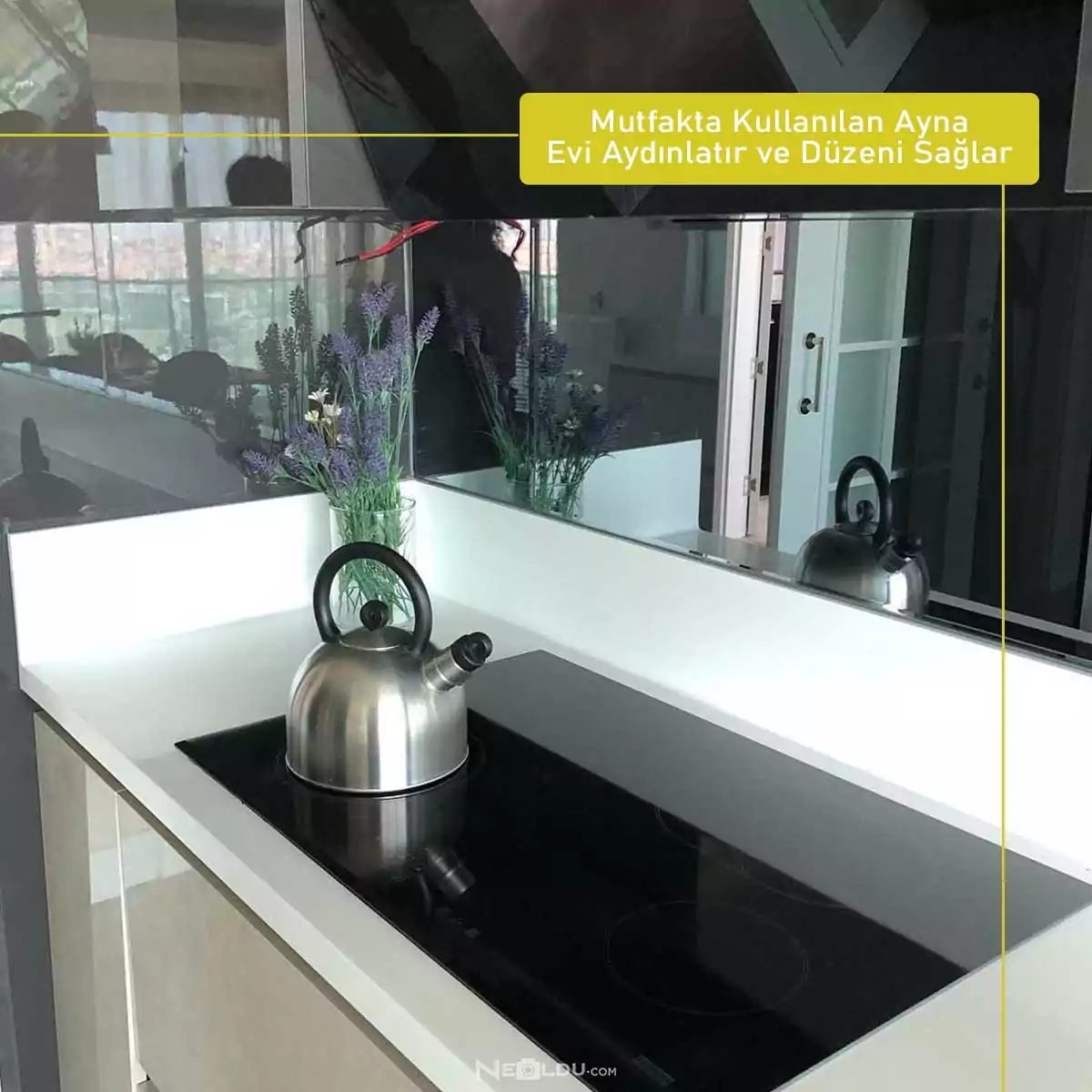
Dar koridorlar zihni tıkıyor. Işık da yetmiyor. Bu tür alanlarda ayna sadece dekor değil, bir mühendislik hamlesi.
Pencerelerin karşısına yerleştirin. Işığı içeri hapsedin. Mutfak gibi ışık almayan, dar daireslerde bile etkiyi aynı. Görünümü genişletir. Mekanı aydınlatır.
Çerçeve seçimi kritik. Düz hatlar daha modern durur. Desenli çerçeveler de seçenek. Ama mutfak dolaplarınızla uyum kurun. Renk tonları aynı kalmalı. Ayna bir bütünün parçası olmalı.
Bu yöntem basit. Ama sonuçlar hemen hissediliyor.
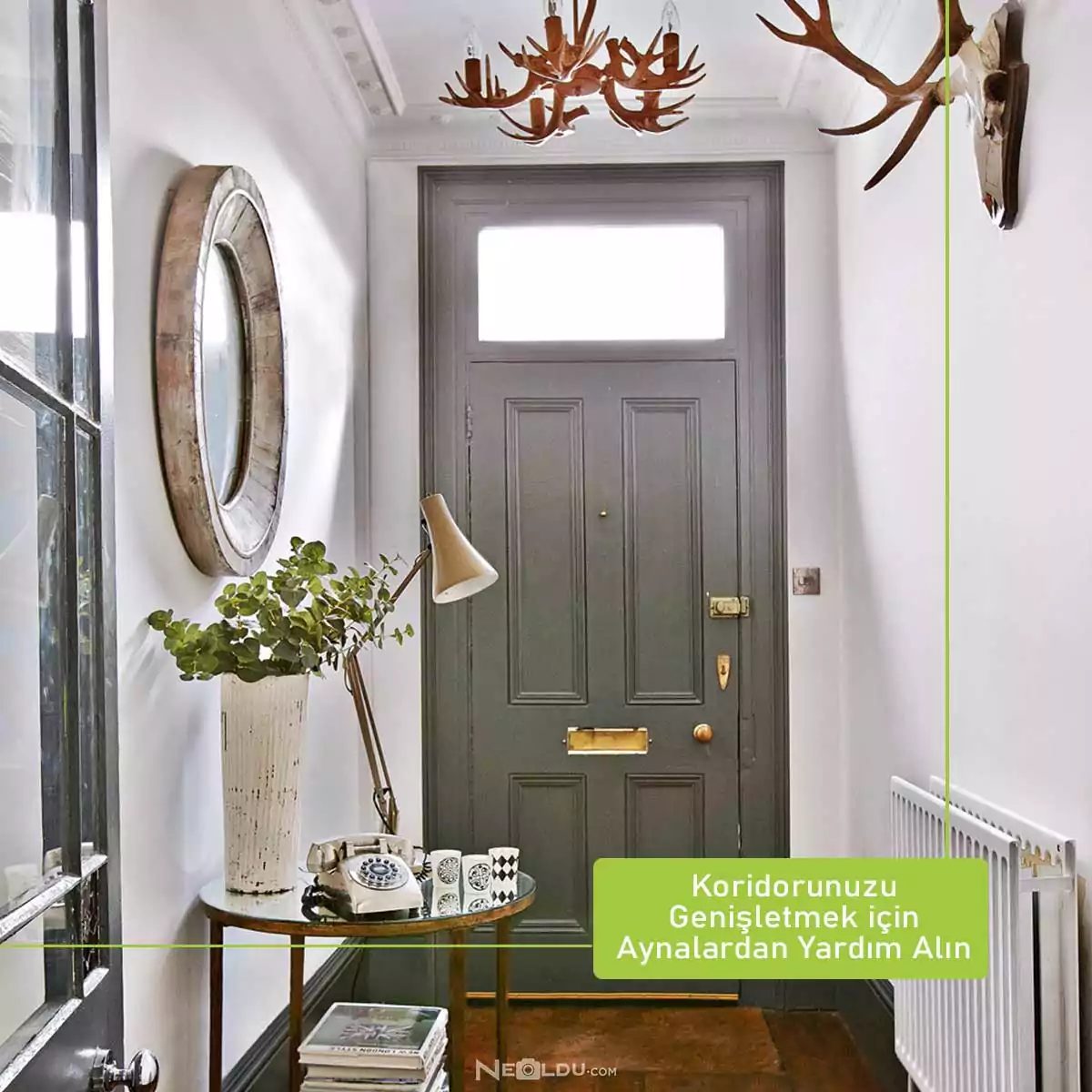
Dar ve loş geçiş alanları her evde birer zorluk noktasıdır. Çözüm basit ama etkili: uzun yatay aynalar. Duvara sabitlenen bu yansıtıcı yüzeyler, mekanı derinlemesine çekip ışığı hapseder. Sonuç? Ortam daha yüksek ve aydınlık görünür.
Fazla tablo veya aksesara gerek yok. Aynayı tek başına öne çıkarın. Ferah bir geçiş alanı yaratmak için bu kadarı yeterlidir. Görsel hafiflik, kalabalık detaylardan çok daha fazlasını halleder.
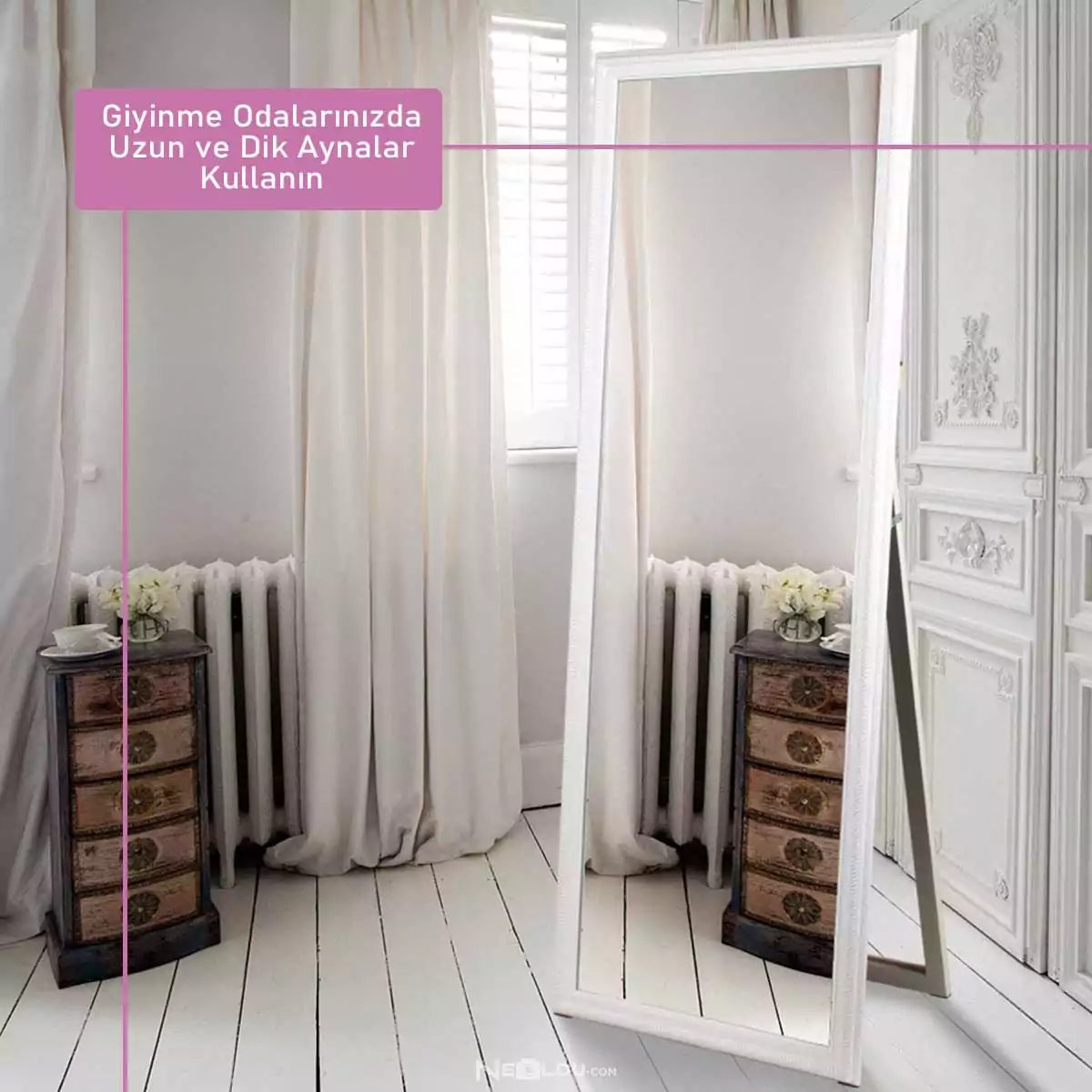
Giyinme Odalarınızda Uzun ve Dik Aynalar Kullanın
Şimdi bakış açısını dikeye çevirin. Giyinme odalarında uzun, dik aynalar işin ruhunu değiştirir. Bu tür yerleşimler, tavanları daha yüksek hissettirir. Aynı zamanda kişiyi olduğu gibi, eksiksiz gösterir.
Düşük profilli mobilyalarla çalışan bu alanlar, dikey çizgilerle dengelenir. Ayakkabılar, çantalar veya raflar yan kısımlara sıkıştırılır. Merkezde kalan ayna, odaya huzur katar. Karanlık köşeleri kırmak için de idealdir.
Peki hangisi sizin durumunuz için daha iyi? Yatay olanlar koridorları genişletirken, dikey olanlar giyinme alanlarında yükseklik hissi yaratır. İki seçenek de aynı prensibi paylaşır: Yansıma, ışığı artırır. Işık, mekanı büyütür.
Aynanın çerçevesi hakkında düşünün. Kalın çerçeveler, dar alanlarda baskın gelebilir. İnce kenarlı veya çerçevesiz modeller, ferahlığı korur. Malzeme olarak cam kalınlığı da önemlidir. Evde çocuk varsa, kırılma dayanımı yüksek camlar tercih edilmeli. Güvenlik her zaman ilk planda.
Montaj işlemi sırasında dikkatli olun. Duvarın taşıyıcı kısmına veya dübeli noktaya sabitleyin. Ağırlık dağılımı eşit olmalı. Sallantı veya eğilme, estetik bozar. Aynı zamanda risk oluşturur.
Sonuç olarak, ayna sadece bir aksesuar değil. Mekanın ışık mühendisliğidir. Doğru yerleşimle, karanlık köşeleri aydınlığa çevirebilir. Dar geçişleri genişletebilir. Giyinme odalarını lüks bir butik gibi hissettirebilirsiniz. Detaylarda gizli olan bu küçük dokunuşlar, büyük fark yaratır.
Mirror placement tricks for small rooms
You are dealing with tight square footage. A full-length mirror becomes a wall-to-wall fixture. It stretches the eye. It tricks the brain into thinking the space ends further back than it actually does.
This is where depth matters most.
If you can, mount the mirror directly onto the closet door. No drilling into drywall. Just hinges and adhesive strips. The reflection follows the door open and shut. It feels integrated. Like it belongs there.
Wall mounting works too. But you need a slim profile. Go for a tall, narrow frame. Dark metal or matte black. It cuts through the clutter visually.
Breaking up the reflection
Sometimes one big sheet of glass feels heavy.
Enter segmented mirrors. Think geometric panels. Hexagons. Irregular polygons. Or just clean vertical strips.
Segmented designs break up the monolithic look of a traditional mirror. They add texture without adding physical bulk.
This style suits Scandinavian or mid-century modern aesthetics. It adds a designer touch that feels intentional. Not like an afterthought.
Installation is slightly trickier. You have to level each piece individually. Use a laser level if you have one. If not, a standard bubble level will do. Mark your studs or use heavy-duty drywall anchors. Glass is heavy. Don’t skip the hardware check.
Why choose this route?
- Visual interest: It draws the eye around the room.
- Flexibility: You can arrange pieces in different patterns.
- Scale: It breaks up large blank walls.
Just make sure the gaps between mirrors are uniform. Uneven spacing looks messy. It looks cheap.
Lighting plays a huge role here. Place sconces on either side of the segmented array. Or use LED strips behind the panels. The glow softens the hard edges. It makes the geometry feel softer.
Keep the surrounding storage minimalist. Open shelving with baskets. Hidden compartments. Let the mirror be the focal point. Don’t compete with it.
A small room needs every advantage. Reflections give you space. Style gives you soul. Combine both.
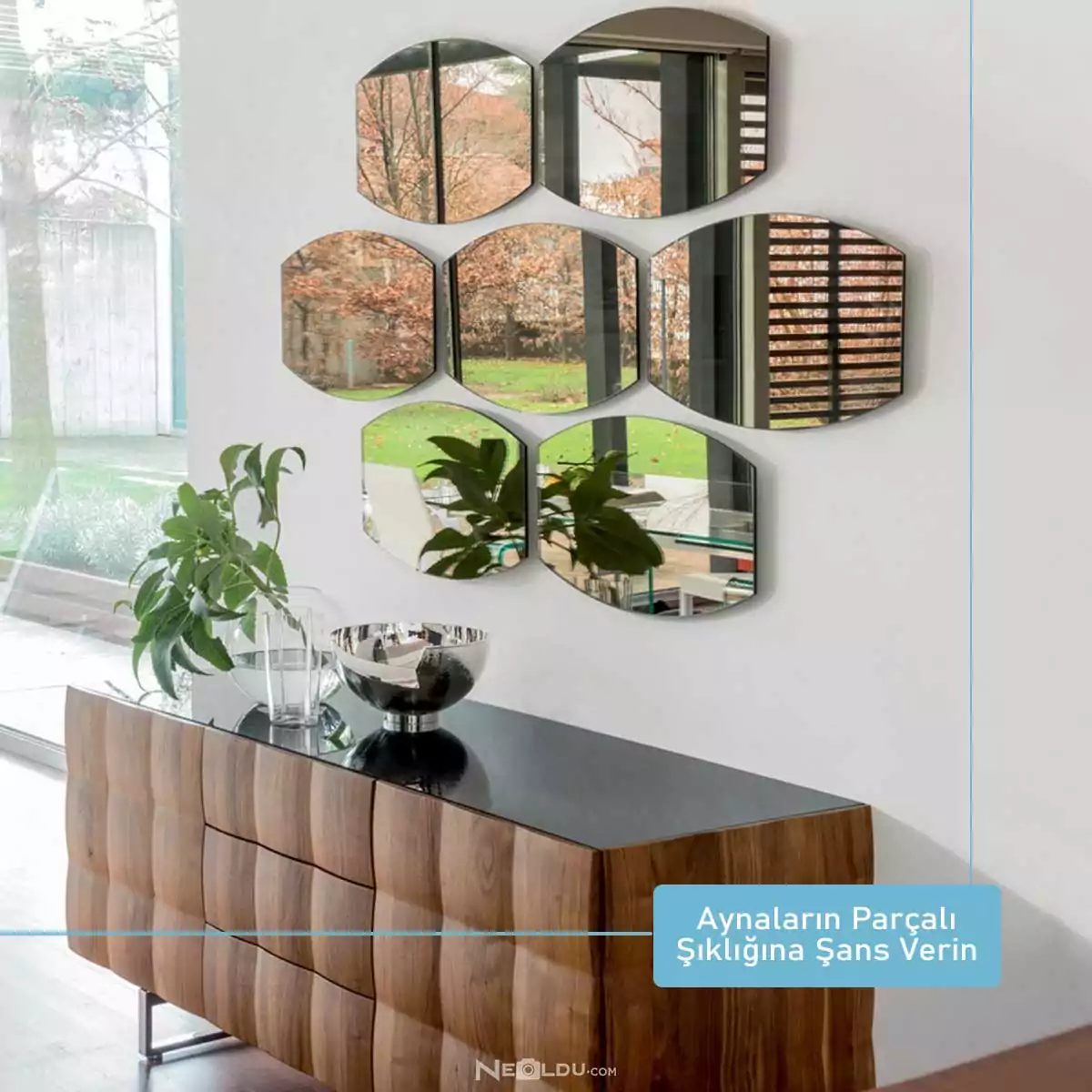
Büyük salonlar bazen boş kalabilir. Boşluklar korkutur. Geniş alanlarda tek büyük bir ayna bazen yetersiz kalır. Bunun yerine parçalı modüler aynalar düşün.
Bu tasarımlar duvarı parçalara böler. Görsel zenginlik ekler. Tek bir büyük yansıtıcı yüzey yerine, küçük parçaların oyunu daha dinamik bir atmosfer yaratır. Modern ve gösterişli.
Minimalist mobilyalar varsa kontrast yaratır. Sade sandalyeler, basit sehpalar. Arka planda dağınık ama dengeli bir ayna düzeni. Dikkat çekici bir odak noktası elde edersin. Gözün duvarda dolaşır.
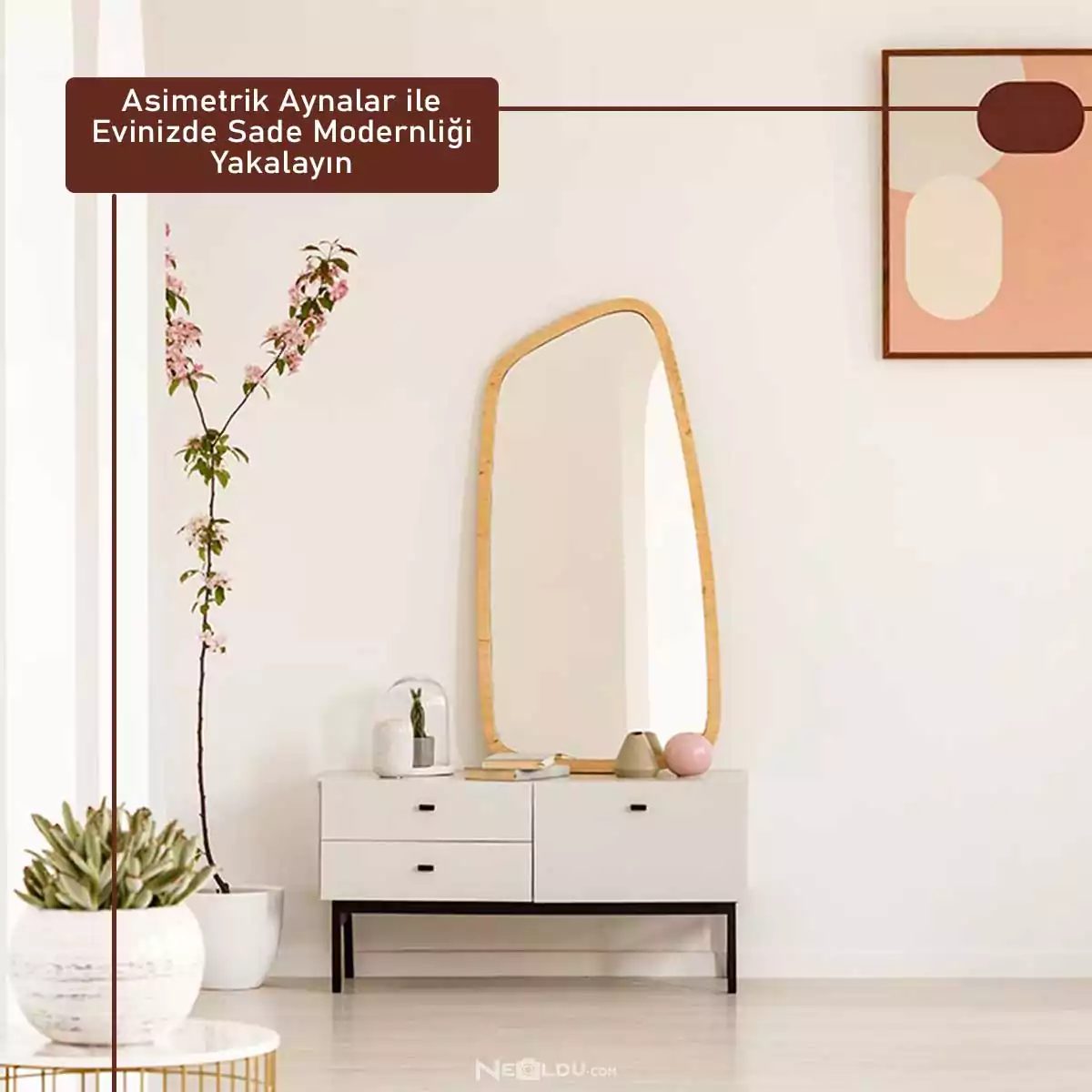
Asimetrik Aynalar ile Evinizde Sade Modernliği Yakalayın
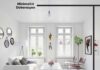
Asimetri kuralları bozar. Simetri sıkıcı olabilir. Asimetrik aynalar ile evinizde sade modernliği yakalayın.
Bu düzen, duvarı rastgele parçalanmış gibi gösterir. Ama aslında hesaplı. Görsel dengeyi korurken dinamiklik katar.
Neden Asimetrik Ayna?
- Görsel derinlik ekler.
- Dar alanlarda bile genişletici etki yapar.
- Modern bir hava katar.
- Mobilyalarla uyum sağlar.
Nasıl Kurulur?
- Duvarı planla.
- Ayna parçalarını yerleştir.
- Aralıkları kontrol et.
- Sabitle.
Asimetrik aynalar, sade modernliği evinize taşır. Göz alıcı ama yorucu değil. Dengeli bir denge kurarsanız, salonunuz daha davetkar olur.
Break the Grid: Why Asymmetry Works
Symmetry is safe. It is predictable. But if you are tired of matching mirrors flanking a bed or flanking a hallway, it is time to break the pattern. Asymmetrical framed mirrors introduce a modern edge that standard pairs just can’t match. They do not sit there looking like they belong in a catalog. They look intentional. They look designed.
Place one on a vanity. Set it atop a dresser. The irregular shape adds a layer of visual interest that a simple rectangle lacks. It becomes a focal point rather than just a utility.
In minimalist homes, the rules shift again. Here, an asymmetrical mirror is not just a reflective surface. It is a statement piece. It acts as wall art. The frame becomes the sculpture. The glass is secondary.
What You Are Reflecting Matters More Than You Think
Before you hammer a nail into the drywall, step back. Look at the room. What does the mirror catch?
A mirror is a thief. It steals whatever stands before it and reclaims it. If you hang a large, dramatic asymmetrical mirror facing a cluttered corner, you are not hiding the mess. You are doubling it. You are amplifying the chaos.
If you hang it facing a window, you gain light. You gain depth. But watch for glare.
If you hang it opposite a beautiful piece of furniture or a work of art, you create a dialogue between the two. The mirror extends the space. It tricks the eye into thinking the room is larger than it is.
But be careful. If you hang it facing a blank, boring wall, you get a boring reflection of emptiness. That is a waste of good glass and good framing.
“A mirror reflects the space, not just your face. Choose what you want to see.”
Think about the sightlines. Stand in the room. Move around. Watch the reflection shift as you walk. Does it highlight the best angle of the room? Or does it expose the flaws in the layout?
The placement is as important as the shape. An asymmetrical mirror has a direction. It has weight. It leans. It tilts. The reflection must complement the room’s architecture, not fight against it.
Consider the lighting in the reflected area. A mirror in a dark corner does nothing. A mirror in a sunlit hallway brings energy to the entire house. It acts as a conduit for light.
And don’t forget safety. If you are mounting heavy glass, use the right anchors. Drywall alone will not hold a large, irregular frame if the wall is hollow. Find the studs. Use toggle bolts. Gravity does not care about your aesthetic. It only cares about physics.
The goal is not to fill space. It is to enhance it.
If the reflection distracts from the room’s flow, move it. If it enhances the light, keep it. There is no rule that says a mirror must be centered. In fact, centering it often feels static. Off-center feels alive.
But does it work in every room? Not always. In a small bathroom, a large asymmetrical mirror might overwhelm the space. In a grand entryway, it might get lost. Scale matters. Context matters.
Look at the reflection again. Is it working for you, or against you?
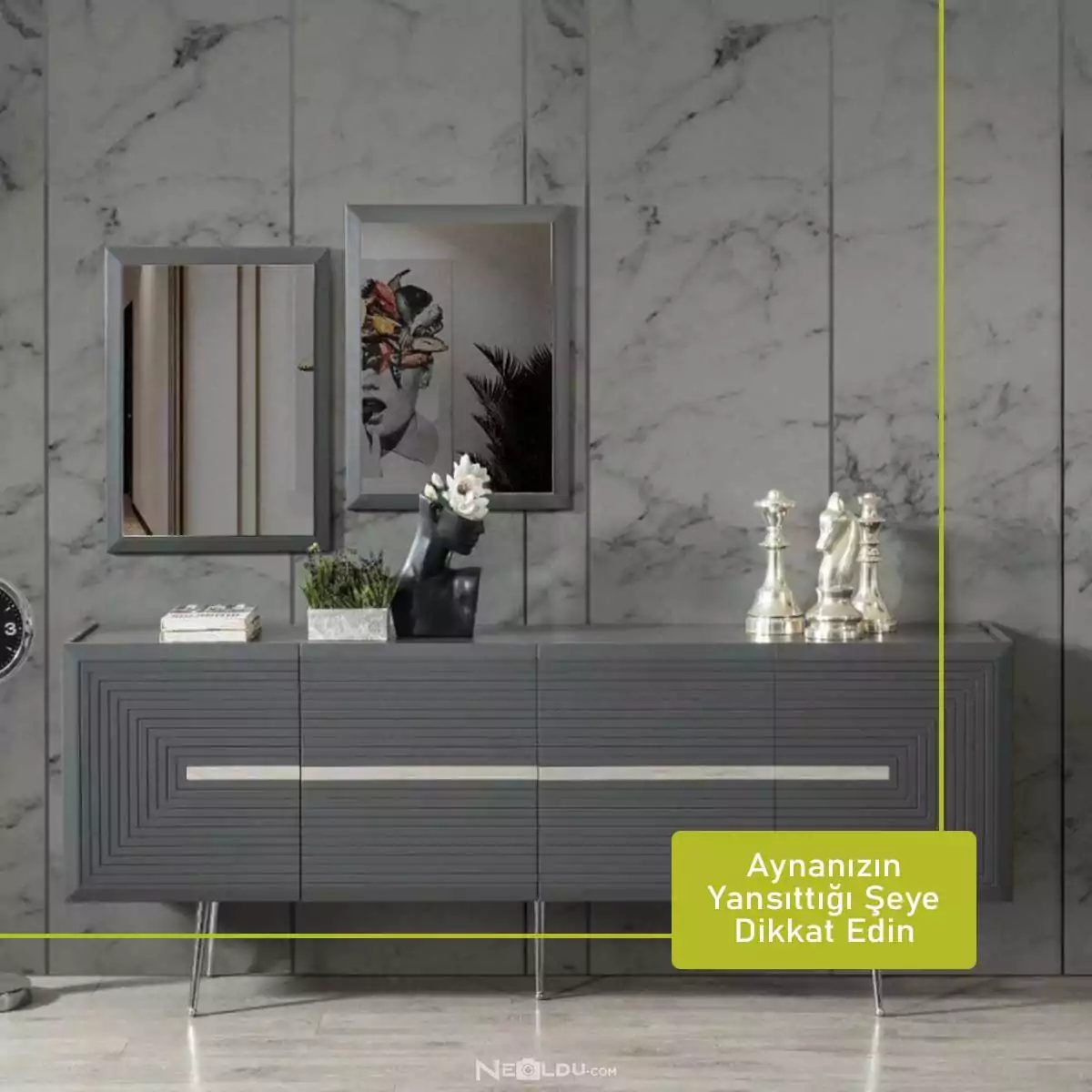
“Mirrors do more than just take up space; they manipulate perception.”
You are not just hanging glass. You are curating a view.
If you place a mirror blindly, you might end up with a reflection of your clutter. That defeats the purpose. The goal is visual expansion. You want the room to breathe.
The Reflection Trap
A mirror is a liar. It shows you what is behind you. If that space is messy, your bathroom looks messier. It creates cognitive dissonance. The eye sees depth where there is only chaos.
Do not let your reflection fight your aesthetic.
Strategic Positioning
You need a target. The mirror should reflect something you like.
Think of it as a framed painting that never fades.
- Plants: A leafy green plant reflected adds life. It brings the outdoors in.
- Art: Hang a piece of art opposite the mirror. The mirror doubles the impact.
- Color: A bold accent wall? Let the mirror bounce that color around the room. It amplifies the hue without adding physical bulk.
This creates visual continuity. The eye travels from the real object to the reflected image. The wall seems to extend.
The Full-Wall Strategy for Small Baths
Now, consider the small bathroom scenario.
Space is the enemy here. Every inch counts.
Covering the entire wall with mirror panels is a bold move. It works, but it requires precision.
Why it works:
It eliminates the boundary of the room. The eye cannot find the edge of the wall. It keeps going. The space feels infinite.
The risk:
It can feel clinical. Like a dressing room or a morgue if not handled well. The lighting must be right. Harsh overhead lights will exaggerate every pore and every flaw.
How to soften it:
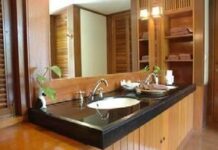
Use warm lighting. Add texture nearby. A wooden vanity or a plush rug grounds the space. The mirror reflects the warmth. It prevents the room from feeling like a sterile box.
Practical Installation Notes
Glass is heavy.
Use proper anchors. Drywall alone will not hold a full-wall mirror. You need studs or heavy-duty toggle bolts. Safety first. You do not want shards of glass on your tile floor.
Consider acrylic alternatives for rentals. They are lighter. Easier to remove. Less risk of damage.
But for a permanent renovation? Go with real glass. It reflects clearer. No distortion.
The Final Check
Stand back.
Look at the reflection.
What do you see?
Is it the chaotic pile of towels? The ugly outlet? Or is it that nice vase you bought on sale?
Move the mirror. Adjust the angle.
It is not magic. It is physics and psychology.
You are controlling the light. You are controlling the depth.
One small shift changes everything.
The room feels bigger. It feels calmer. It feels intentional.
Is that worth the effort?
Probably.
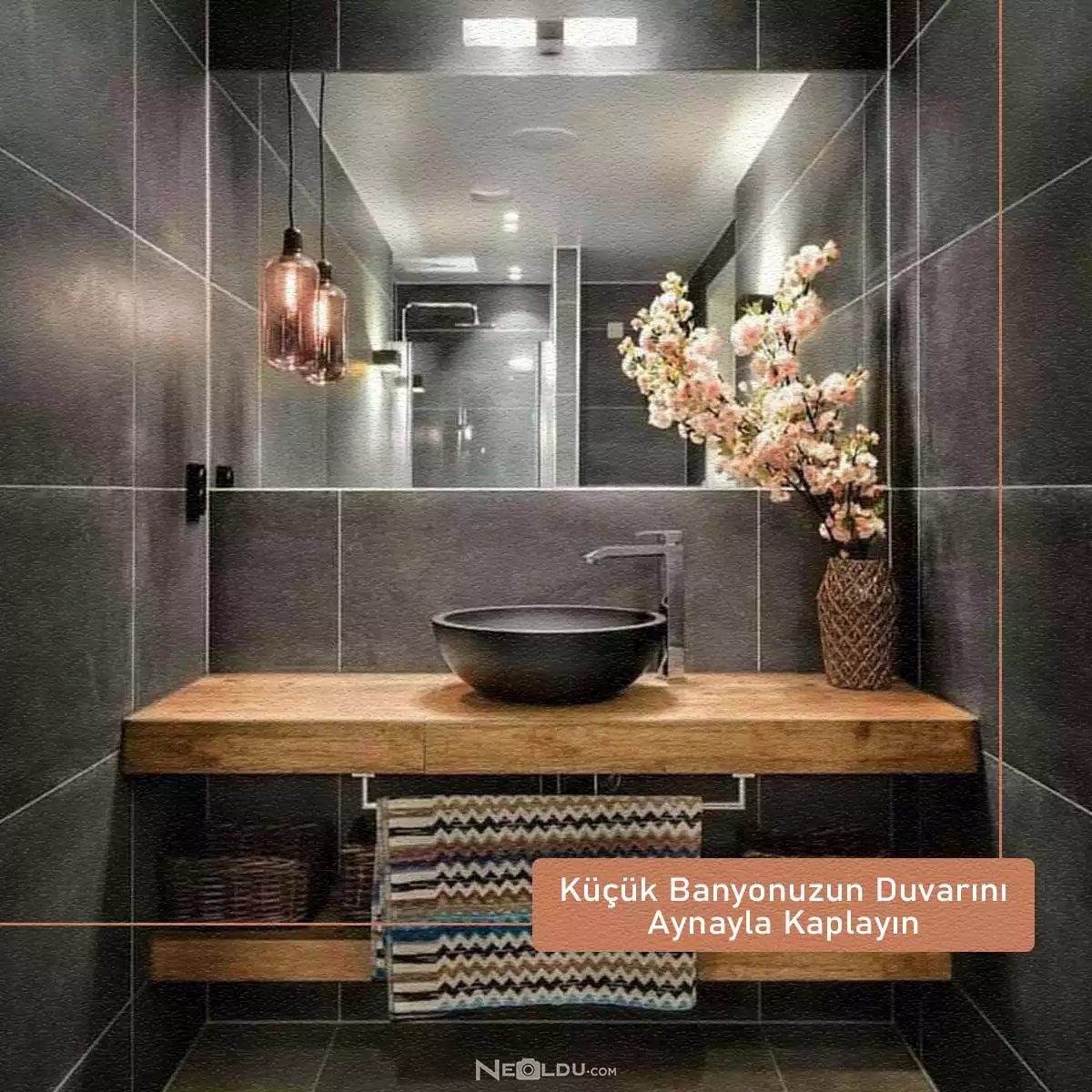
Küçük banyolarda dar alan hissini azaltmak için duvarı boydan boya ayna ile kaplamak en etkili hamlelerden biri. Lavabo başına tek bir ayna asmak yerine, tüm yüzeyi kaplayan geniş bir yansıtıcı yüzey kullanmak mekânı aniden büyütmüş gibi gösteriyor. Daha fazla ışık, daha açık hissettiren bir atmosfer yaratıyor.
Elbette bu işin detayları var. Kaliteli bir ayna tercihi yapmanız şart. Ucuz malzeme zamanla kararmaya veya yüzeyinde lekeler oluşmaya başlayabilir. Montaj sırasında nemden korunacak şekilde işlem yapmak da ihmal edilmemeli. Bu iki kurala uyulmazsa, estetik kazanç kısa sürede başağrısına dönüşebilir.
Dış Mekanlarda Aynalı Cephe Yaklaşımı
Sadece iç mekanla sınırlı kalmadan, dış cephede ayna kaplı duvarlarla yaşam alanı oluşturmak da mümkün. Bahçe duvarlarını veya teras cephelerini yansıtıcı yüzeylerle kaplamak, ortamı daha geniş ve dinamik hissettiriyor. Ancak dış mekânda kullanılan aynaların hava koşullarına dayanıklı olması gerekiyor. Rüzgâr, yağmur ve güneş ışığına karşı koruma sağlanmalı.
İç mekanla dış mekan arasındaki geçişlerde de ayna kullanımı benzer bir etki yaratabiliyor. Örneğin, cam kapıların yanına asılan aynalar, içeriye giren ışığı daha derin bir algıyla yansıtıyor. Malzeme seçiminde paslanmaz çerçeveler veya su geçirmeyen arkası korumalı paneller tercih edilebilir.
Montaj Detayları ve Güvenlik Önlemleri
Ayna montajı sırasında dikkat edilmesi gereken en önemli nokta, duvarın taşıma kapasitesi. Özellikle büyük ebatlı aynalarda duvara uygun ankrajlar kullanılmalı. Çimento veya tuğla duvarlarda metal kelepçeler, alçıpanlarda ise özel dolgu maddeleriyle takviye yapılması gerekebiliyor.
Nem koruması için iç mekânlarda silikonlama işlemi yapılıyor. Dış mekânlarda ise aynaların arkasına hava dolaşımını sağlayacak açıklıklar bırakmak, buharlaşmayı önlemeye yardımcı oluyor. Bu detaylar, aynanın ömrünü uzatıyor ve güvenlik riskini minimize ediyor.
“Ayna, mekânın sınırlarını bulanıklaştıran en güçlü araçtır; ancak doğru montaj ve malzeme seçimi olmadan sadece bir dekorasyon unsuru olarak kalır.”
Küçük banyolarda dar alan hissini azaltmak için kullanılan bu teknik, artık dış mekânlarda da tercih edilmeye başlandı. Hem iç hem de dış cephede kullanılan aynalar, mekâna derinlik katıyor. Ancak her iki durumda da profesyonel destek almadan yapılan
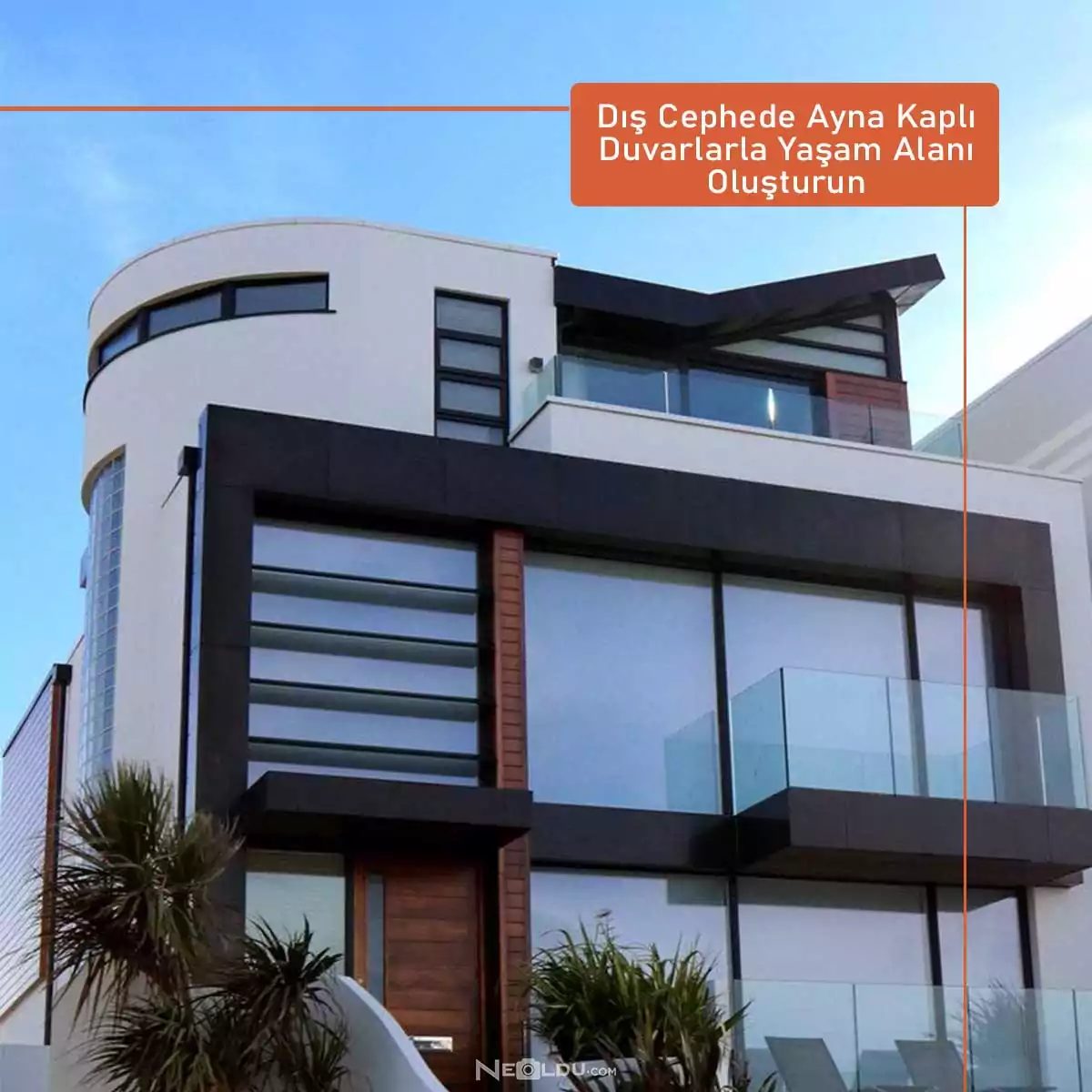
Dış mekân dekorasyonu deyince akla ilk gelenler bitkiler veya mobilyalardır. Ama duvarlara yansıtılan ışık, mekân algısını tamamen değiştirir. Ayna kaplı yüzeyler sadece iç mekânın lüks hâli değil. Dışarıda da aynı büyüyü yapabilir.
Küçük bir bahçeniz var mı? Verandanız dar mı geliyor? Terasınızı daha geniş göstermek istiyorsanız ayna hilesini kullanın. Bu, uzay algısını manipüle eden en etkili yollardan biri. Sadece görsel bir hile değil. Işıkla oynayan bir strateji.
Dış Mekan Aynaları Nasıl Çalışır?
Güneşin yansımasıyla ışıltılı bir ambiyans yakalamak mümkündür. Aynalar, mevcut ışığı toplar ve mekâna dağıtır. Bu da karanlık köşeleri aydınlatır. Bitkilerin rengini daha canlı gösterir. Su havuzlarının veya bahçe unsurlarının derinliğini artırır.
Malzemeler ve Güvenlik
Dış mekân için standart iç mekan aynaları uygun değildir. Hava koşullarına dayanıklı olmalılar. Su geçirmez, paslanmaz çerçeveler tercih edilmeli. Cam yerine polikarbonat gibi darbelere dayanıklı malzemeler daha güvenlidir. Çocuklarınız varsa veya rüzgârlı bir bölgede yaşıyorsanız, bu önemli bir detay.
Yüzeysel bir temizlik yapmak kolaydır. Ama montaj sırasında dikkatli olun. Duvara sabitleme işlemleri için dış cephe yapıştırıcıları veya özel vidalar kullanın. Rüzgârda sallanan bir ayna, hem görsel olarak rahatsız edici hem de tehlikeli olabilir.
Hangi Alanlara Uygulanmalı?
- Perdahlı Duvarlar: Bitkilerin arkasına veya bitkisel bir duvarın yanına yerleştirildiğinde, gölge ve ışık oyununu ikiye katlar.
- Veranda Köşeleri: Dar ve karanlık köşelere küçük aynalar yerleştirin. Mekânın genişlemiş gibi görünmesini sağlar.
- Teras Parapetleri: Bina cephelerindeki parapetlere veya bariyerlere ayna panolar monte edilebilir. Bu, komşuların bakışını engellerken mekâna derinlik katar.
Işık Oyunları
Güneşin yansımasıyla ışıltılı bir ambiyans yakalamak mümkündür. Bu, özellikle akşam saatlerinde lambalarla birleştiğinde büyüleyicidir. Aynalar, ışığı yönlendirerek mekânın her köşesine yayabilir. Bu da enerji tasarrufu sağlar. Daha az lamba kullanarak daha parlak bir ortam oluşturabilirsiniz.
Peki, ne kadar büyük olmalı? Küçük bir ayna, bir odak noktası yaratır.
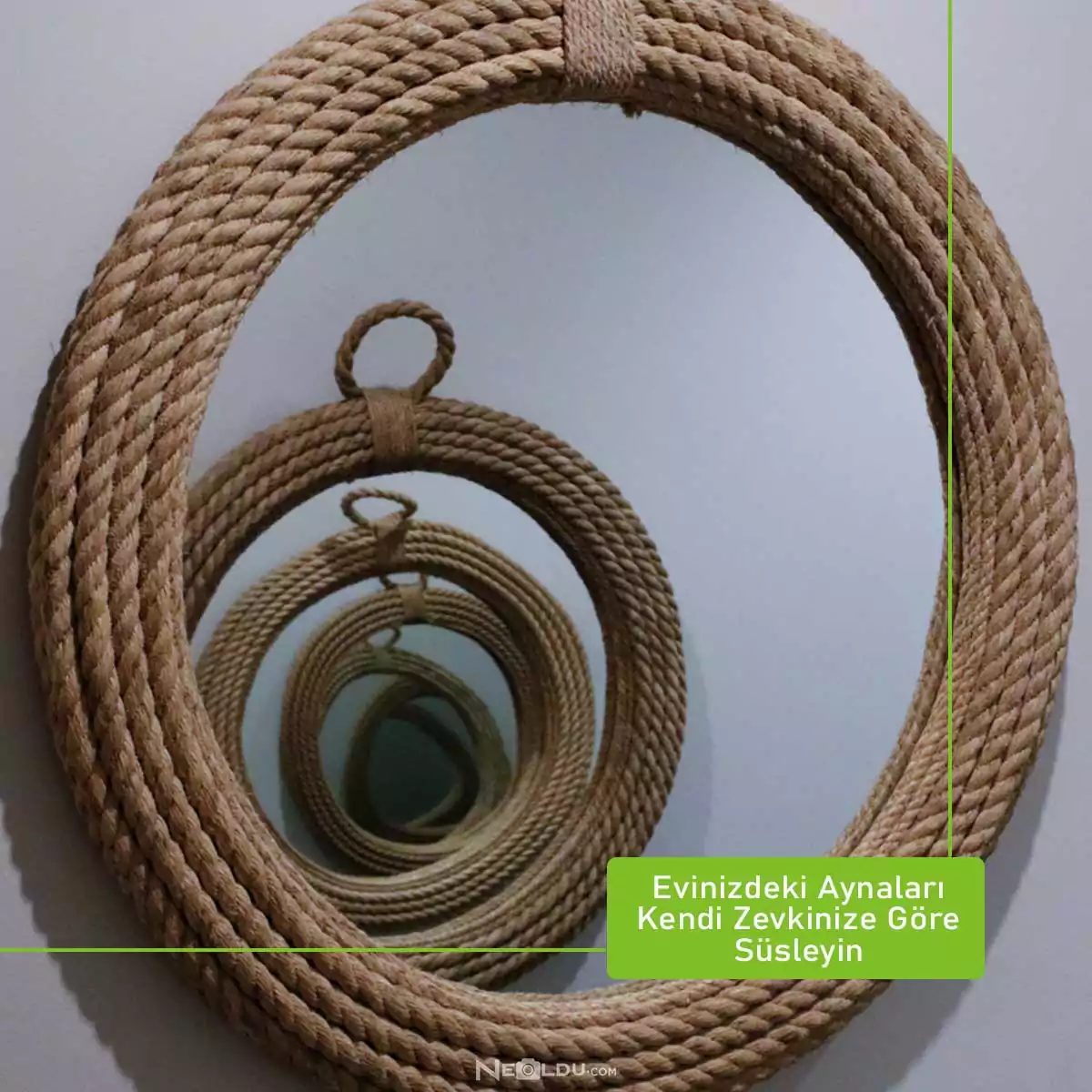
Custom Mirror Makeovers: Beading, Painting, and Personalizing
One of the hotter trends right now involves taking a plain mirror and completely transforming it. We are talking about embellishing frames or even painting the glass itself.
It starts with a basic, boring frame. Then you grab some beads. Or stones. Or small wooden figures. You can use paint to set the tone. The goal is to match your style exactly.
This isn’t just decoration. It’s personalization.
You end up with an accessory that no one else has.
Using Mirrors to Divide Spaces
Mirrors do more than reflect light. They act as soft walls.
When you place a large mirror strategically, it creates a boundary without blocking the view. It separates a living area from a dining space, or a hallway from a kitchen.
Think about where you need division. Look for spots where a physical wall would feel heavy or cluttered. A mirrored panel offers visual continuity. It keeps the space open while still defining zones.
The key is placement. Position the mirror to reflect a pleasant view or a focal point. Avoid reflecting clutter. This technique works best in open-concept floors where boundaries are usually missing.
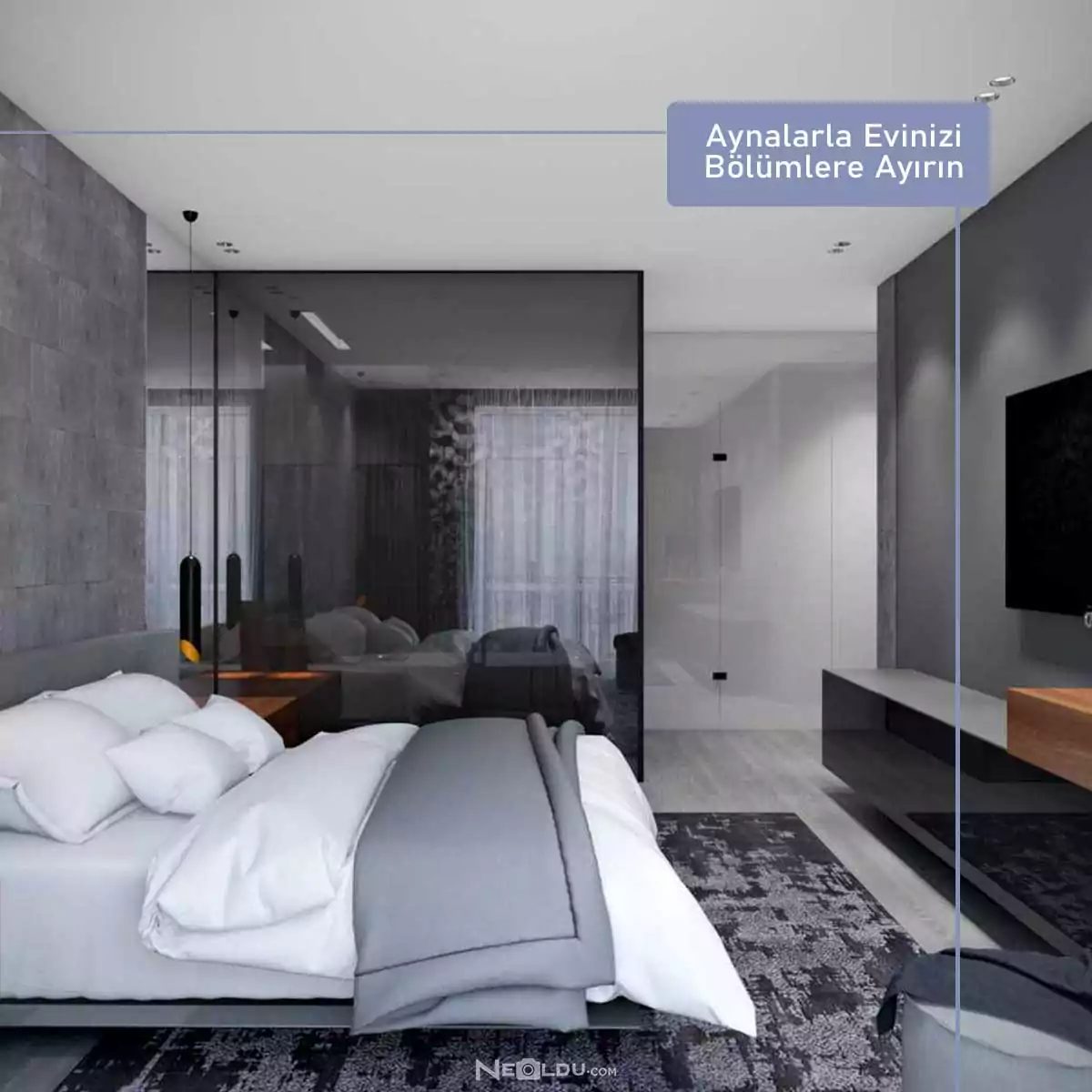
Mirror Partitions for Studio Living
When you are trying to carve out a “room within a room” or simply define a space in a tiny studio, mirrors can be your best friend. Covering a screen or a thin partition with mirrors does two things at once. It creates the physical separation you need. It also tricks the eye into seeing more space.
This is not just a aesthetic choice. It is a functional hack for small footprints.
Why Mirrors Work Better Than Brick
You might be tempted to build a drywall partition. Sure. That works. But it shrinks the room. It blocks light. It makes a small apartment feel like a cave.
Mirrors reflect light. They bounce it around the room. Suddenly, that cramped corner feels ten feet deeper. The illusion is strong. The result is a sense of airiness that heavy walls just cannot provide.
Where to Use This Trick
The most common application? Dividing the living area from the sleeping nook. You need a barrier. You want privacy for late-night phone calls or early-morning naps. But you also refuse to sacrifice square footage.
A mirrored screen solves this. It stands alone. It requires no construction. It adds depth without adding bulk.
“Mirrors don’t just reflect light; they reflect the potential of your floor plan.”
Installation and Safety
If you go this route, pick your materials carefully. Standard glass is risky. It can shatter. It is heavy. It costs a fortune to ship and install.
Instead, look into acrylic mirrors. They are lightweight. They are shatter-resistant. You can mount them to almost any frame. Acrylic also cuts down on the weight load on your existing flooring. That matters in older apartments with weaker joists.
The Aesthetic Payoff
It looks expensive. It feels intentional. A well-placed mirrored divider turns a cluttered studio into a designed space. You get the zoning you need. You get the visual expansion you crave.
So you stop fighting the small space. You start working with it. The room breathes. You breathe easier.
There is still the matter of keeping those reflections clean. Dust shows up fast. But that is a small price for the extra square footage you just invented.