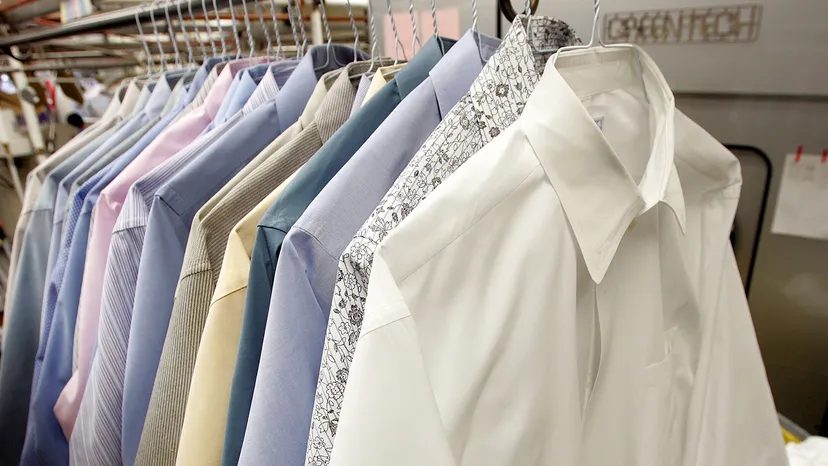
You wash your clothes with water. You beat them against rocks if you’re feeling historical, or you let a machine agitate them with soap. The goal is simple: use an alkali to saponify oils and lift dirt into suspension so the rinse cycle can flush it away. Then comes the drying phase. Hang it up. Tumble it. Done.
Dry cleaning is the exception to the rule. It uses liquid to clean without water. The word “dry” is a misnomer that sticks because there is no H2O involved. Instead, garments are immersed in a chemical solvent. This process preserves fabrics that water would shrink, distort, or fade.
Here is what actually happens to your clothes once you hand over the hanger.
The History of Dry Cleaning
Cleaning clothes without soap and water isn’t a modern innovation. It has roots that stretch back nearly two centuries.
Thomas Jennings, a freedman and tailor in New York City, pioneered the concept. He was unhappy with the laundry methods of his era. In 1821, he received a patent for a process he called “dry scouring.” The advertising promised it would remove dirt and grease while keeping garments in their original shape.
We don’t know the exact chemistry Jennings used. An 1836 fire destroyed patent records for hundreds of inventors, including his. He likely used the earnings from this invention to support the abolitionist movement. He also helped organize the Legal Rights Association to challenge discrimination.
A more literal accident led to the term “dry cleaning” itself. In 1855, Jean Baptiste Jolly owned a dye-works in France. His maid spilled a kerosene lamp on a tablecloth. The stain vanished. Jolly noticed the fabric came out cleaner than before. He began offering this service to customers.
Early solvents were volatile. Kerosene was common. So were other flammable liquids. The industry shifted significantly after World War II. Synthetic solvents like carbon tetrachloride and trichlorethylene were replaced by perchloroethylene.
Why Perc Dominated (and Why It’s Fading)
Perchloroethylene, known as “perc,” became the industry standard. It was cheaper. It cleaned better than previous options. It required less floor space and smaller equipment. This allowed dry cleaners to open in retail locations offering one-hour service.
Perc is still the most widely used solvent today. But it carries serious health risks.
Short-term inhalation can cause upper-respiratory tract irritation. It affects the eyes. It can lead to kidney dysfunction. There are neurological effects. Long-term exposure has been linked to several types of cancer among workers.
Regulators are finally catching up. The EPA required dry cleaning facilities in residential buildings to stop using perc by December 2020. California banned it entirely, with the phase-out completing in 2023. Several other states are studying similar bans.
New York state has strict rules. Managers must receive special safety training. Machines using perc must be certified. Businesses must document every use of the chemical and other hazardous substances.
The Safety Debate
Health experts are calling for a shift. A March 2021 article in Frontiers in Public Health highlighted concerns about perc contaminating air quality. Experts urged the industry to adopt different solvents.
There is a catch. We need to evaluate these alternatives carefully. Long-term health effects of new chemicals are not fully mapped. The transition is not as simple as swapping one liquid for another. The infrastructure, safety protocols, and fabric compatibility all need to be re-examined.
The process of cleaning your clothes is far more complex than a simple wash and spin. It involves chemistry, history, and ongoing regulatory battles. Understanding what goes into the machine changes how you view your dry cleaning bill.
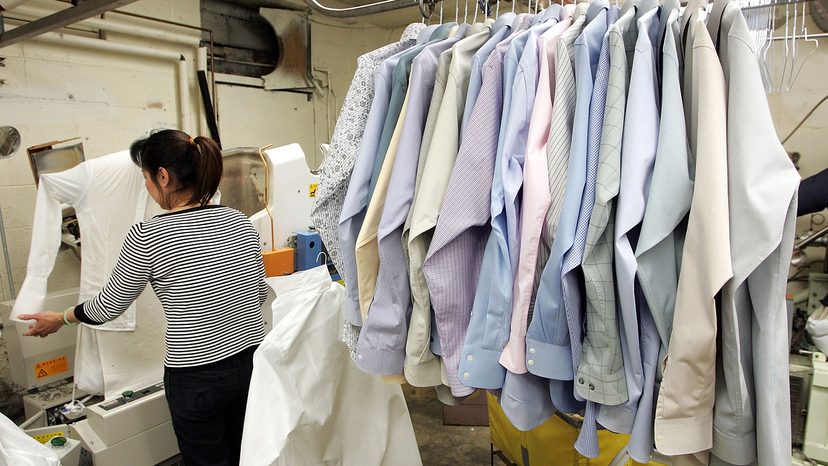
How #DryCleaners Treat Your Clothes: A Step-by-Step Breakdown
Dry cleaning is not magic. This is a highly standardized industrial process. When you drop off your clothes at a reputable store, you can watch them move through a tight assembly line. The goal is simple. It’s all about making clothes look like new without damaging the fabric.
Here’s what actually happens after your suit or silk shirt leaves your hands.
Marking and checking
Before a drop of solvent touches the wool coat, someone has to make sure the garment doesn’t disappear into the ether. This is the marking phase.
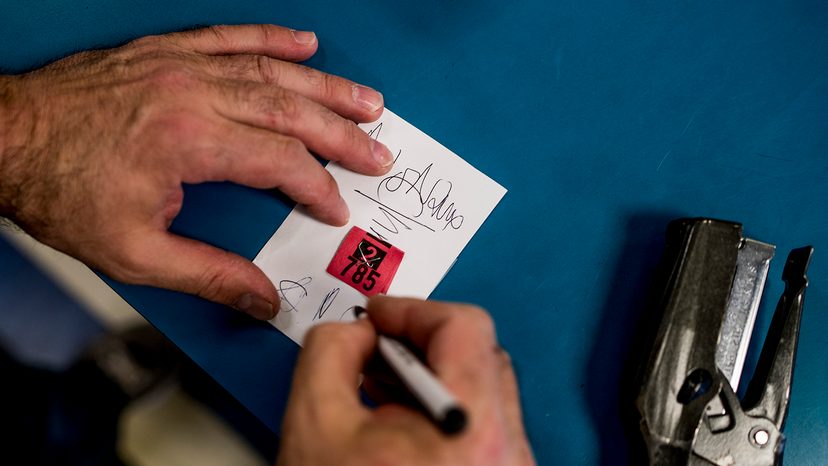
Most stores use a barcode system. you get a ticket. These garments have small heat-shrinkable plastic tags or stickers on the seams and collars. If you pay with cash or if you are dealing with a smaller, older operator, you can write your name by hand with a marker on a piece of paper. The method changes. The result is the same. Proof of ownership is required.
Employees check the clothes as they are marked. This is critical for accountability.
If you send a shirt that already has a small hole in the sleeve, but it comes back with a bigger hole, an inspection report will be made to prove that the damage was not caused by cleaner.
They are looking for:
– Missing buttons
– frayed hem
– Existing stains (marked for pretreatment)
– Structural weakness of seams
This step protects you and your business. This is a simple visual check, but it’s the only defense against the “you already had it like that” argument.
Preprocessing
Not all stains are created equal. Oil, wine, ink and blood react differently to cleaning agents. One solvent bath cannot affect them all.
This is where the human factor comes into play. Employees recognize certain stains. Next, use a targeted pretreatment solution.
Think of it like priming a wall before painting. The solvent washes away normal dirt. Pretreatment breaks down the molecular bonds of stubborn stains.
Common agents include:
– Enzymes are used to remove protein-based stains such as blood and egg stains.
– Solvent-based removers.
–Oxidizers Removes organic stains such as coffee and wine.
Cleaners just don’t guess. They identify the type of stain, apply the chemical and let it sit for a specific window. If you do this step too quickly, the stains may be permanent or damage the fabric fibers.
Dry cleaning
This is where the real work begins. Contrary to the name, no water is used.
Marked and pre-treated clothes are loaded into large drum-like machines. This is not a domestic washing machine. This is a closed industrial unit designed to handle volatile chemicals.
The most common solvent is perc (perchloroethylene). Effectively dissolves oil that water cannot touch. Newer green shops may use hydrocarbon solvents or liquid silicone. The chemistry varies. The process remains the same.
- Loading : Spread the garment evenly.
- Immersion : The solvent flows into the drum.
3.Mixing : The drum rotates and moving the fabrics slowly to remove dirt.
Tagging System and Order Assembly
Every item you drop off is tracked from the first moment. The process is simple but rigorous. Staff count the pile. They log what it is—a shirt, slacks, a dress. They note the drop-off time and scheduled pick-up date. Then comes the tag.
A small, colored slip gets pinned or stapled to your clothes. This tag stays with the clothing through the entire cycle. It’s the only identifier. The cleaner also enters your information (name, address, phone number) into the computer system. This digital record links the physical identifier to your account.
Special instructions change the game. Red wine stain? Do pants have to have a double crease? You get a special color-coded tag. Flag items for further attention.
After washing, the clothes don’t just pile up. They pass quality control. Then the assembly begins. The cleaner reassembles the order by fitting numbered labels. The shirt goes with the matching slacks. Everything bundles together for pickup. If the tags don’t match, the outfit isn’t complete. It’s a simple system. It prevents mix-ups.
Should You Pre-treat Stains Before Dropping Off?
Maybe. Maybe not.
Advice on pre-treatment is all over the map. Some dry cleaning websites say there is nothing to worry about. They believe that home treatments can help penetrate the dirt deep into the fibers. Some people caution against using water-based stain removers because they don’t react well with the chemical solvents used professionally.
The real issue isn’t just the stain itself. It’s the residue. If you use the wrong detergent, residues can interfere with the dry cleaning process. It can worsen the damage.
So, what’s the move?
Don’t guess. If you spill something, contact a cleaning company. Ask them what to apply. If they tell you to leave it alone, leave it alone. If you are asked to use a specific solvent, do so. However, don’t use household cleaners without checking first. Professionals use a different liquid than tap water. They know how to remove stains without leaving traces.
How dry cleaning really works
The name is misleading. Your clothes don’t stay dry. They get wet. Just not with water.
Dry cleaning machines look like industrial washers, but have different functions. These are motor-driven units that hold 20-100 kilos of fabric. The highlight is the rotating perforated stainless steel basket. The basket is housed in a housing that contains the motor, pump, filter, igniter, recovery coil and storage tank. In modern washing machines, the washing machine and dryer are combined into one unit. This model captures almost all the solvent used. It saves money. It’s better for the environment.
As the basket rotates, pure solvent is poured into it. The pump and filtration system maintain a constant flow rate. Solvents do more than soak clothes. It sprays them. Carefully drop them and press the lightning bolt inside the cylinder. This mechanical action removes dirt.
The dirty solvent is continuously pumped out. It passes through the filter and collects dirt. The clean solvent is recycled back into the cycle. A typical machine pumps solvent at a rate of 1500 gallons per hour. This is a huge amount.
The most common solvent is perchlorethylene. The industry calls this “perc”. It is about 69% heavier than water. During the 8 minute period, your garment will be soaked in approximately 200 gallons of solvent. This is enough for a thorough cleaning.
The water drains away after washing. Spin on high speed to drain off most of the solvent. Then the drying cycle begins. Warm air circulates inside the garment. This allows the remaining smoke to evaporate. The solvent vapor passes through the cooling coil and condenses back into a liquid. Moves through air control to ensure maximum recovery.
The moisture left on the clothes or in the system will stand out. The water floats on top of the park and is easy to peel off. The distilled solvent is separated and returned to the tank.
Why solvent quality matters
Solvent type is not the only factor. The conditions of this solvent will affect the results.
If your cleaner doesn’t monitor the cleanliness of the filters and solvents, your clothes won’t look as good after washing. This affects soil removal. The color fades. The smell remains. The fabric feels rough rather than soft.
Unless the cleaners monitor the meters, the quality control changes daily. You need to keep the solvent clean and the filter fresh. It’s always about paying attention to details. If it slips off, the suit can look boring. Even worse, it can get dirty with residue. You trust their vigilance. It’s not just about their machines.
Post-cleaning inspection
Most people think of the cleansing cycle as the last step. This is not true. All that remained was the tedious task. Next comes the actual quality control, which dry cleaners call post-spotting. Here, we use professional steamers, vacuums, and specialty chemicals to fix any issues you may have missed during your deep clean.
Think of it as a triage system. The cleaner looks at the stain and determines if it is on the wet or dry side.
If the stain started with water (like bean soup or wine), you’ll need a water-based or wet-side chemical to remove it. It’s simple enough. However, if the stain is initially dry, such as grease, oil-based paint, tar or nail polish, you will need a solvent. Dry-side chemicals.
This is the difference between home cleaning and professional cleaning. Household machines usually remove wet stains with water. Grease? Not so much. It just spreads. Dry cleaning flips the script. Solvent baths work wonders for degreasing. However, they often leave a wet stain right where they landed. Unless…
There is one exception. Specially prepared dry cleaning soaps have been added a charge. This is a anhydrous emulsifier. It bridges the gap. Helps remove water-based stains that have survived the solvent cycle.
Why do stains remain?
Not all stains go away even with a stain removal treatment. A conscientible cleaner removes 99% of dirt and stains. The rest? The stubborn ones. They survive for specific and often frustrating reasons.
- Heat-set tannins : Coffee or tea that got baked in a tumble dryer or iron. Heat locks them in.
- Loss of original dye : In some cases, stains may not be limited to the surface of the fabric. The original color stripped or faded, leaving behind a ghost image.
- Bleached spots : Chlorine or sun bleaching. White cannot be cleaned.
- Foreign dye deposits : A red sock bleeding into a blue shirt. Red is now part of the blue fiber’s identity.
Moving to Finishing
When the stain removal is complete, your clothes will not only be clean; The final touches are now ready. This is where the finishing begins. The goal here is more than drying. It’s the shape, structure and crisp look you expect when you pick up a shirt.
Final polishing
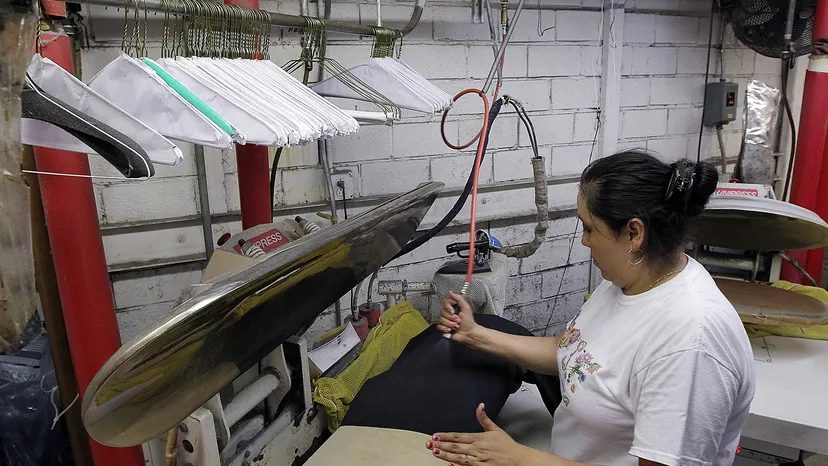
Cleaning is complete. This is the part that everyone sees. Most dry cleaners have finishing equipment on display. This is the least mysterious step because you can see what’s really going on. This process restores the garment to its original condition. Ironing, steaming, ironing and repairs are done here.
Start with steam. The heat softens the fibers. Then comes reshaping. Dries quickly and keeps its shape. Remove excess steam with a vacuum cleaner. Finally, apply pressure.
Machines do the heavy lifting. A heavy head presses down. Steam rises from the bottom. Many modern devices can immediately absorb moisture. This works well. This is visible. This is where the magic happens.
Greener solvents
The rules change. Consumers are more concerned about the environment. The government intervenes. The old standard was perchlorethylene. It is poisonous. It will be phased out.
A new option is now available. Silicone-based solvents. A chemical derived from corn. Hydrocarbon-based fluids. These are options.
Professional wet cleaning is another method. The US Environmental Protection Agency and the Toxics Use Reduction Institute at the University of Massachusetts Lowell are push for it. Use water. Biodegradable detergent. Computer controlled machine. After cleaning, the clothes are transported through a tightening and ironing device.
Some cleaning companies report lower energy costs. Water consumption has also decreased. In the state of Washington, King County provides a grant. Conversion costs range from $40,000 to $60,000. The grant covers part of it. This is helpful.
There are still skeptics. They wonder if wet cleaning can handle delicate fabrics. Supporters disagree. They say modern systems can handle most materials. The conversation continues.
Do it yourself and decision making
You can try it at home. Use a mild detergent. Wash with cold water. Gentle cycle. Pull clothes out immediately. Lay flat to dry. Do not hang wet wool. It will stretch.
Fill the bathtub with cold water. Add Woolite or similar detergent. Hand wash if you prefer.
When should you stop washing the washing machine? Stubborn stains. Grease. oil. Water alone often fails here. Dry cleaning is better for those.
What chemicals are in bath water? liquid solvent. There is little or no water. Traditionally, this means perc. Tetrachlorethylene. Perchlorethylene. It is the main cause of environmental problems.
Why choose dry cleaning? Delicate fabrics. cashmere. Wool. If it was a normal machine, it would probably be destroyed. Shrink. stretch. damage. Dry cleaning protects the fiber structure. Safer for difficult fibers.
Tools and strategies
Tools are important when handling delicate items yourself. A steamer are good for reducing wrinkles. Using a pressing cloth while ironing reduces the shine. Do not leave the iron on for too long. Heat can cause burns.
Check the label first. Symbols indicate what is safe. Water droplets mean it can be washed. Circles indicate dry cleaning only. If it’s a circle, leave it to the professionals. Or try a careful wet cleaning method.
Beware of chemicals from local dry cleaners. Ask what kind of solvent they use. If it’s a perc, ask if there’s an alternative. Many people are doing this now. It’s a small question. This makes a big difference.
The industry is changing. slowly. Inevitably. The finish is simply the end of the journey. Previous choices determine the outcome.