Despite its name, rowan is not a true ash. It is actually a member of the rose family. Sorbus aucuparia is a plant from Europe. This is the most widely cultivated species of a large group of similar shrubs and trees.
Natural rowan is beautiful. However, most species tend to be shrubs. European varieties have a distinctly treelike form. It stands out from the landscape.
What does rowan tree look like?
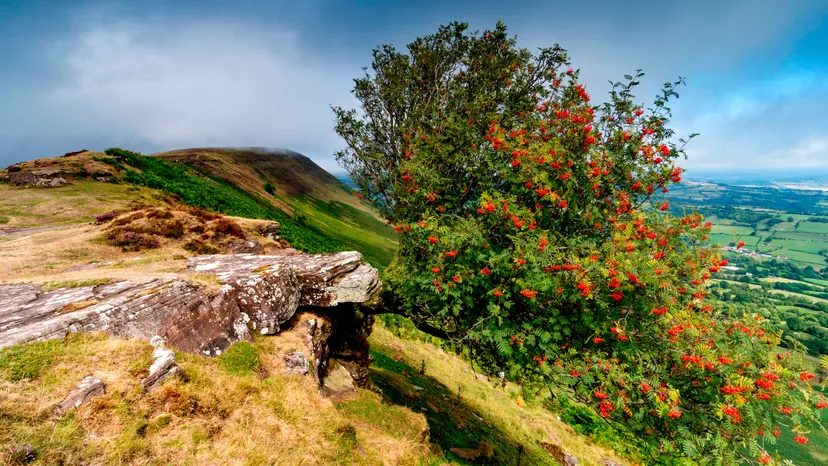
It is a small to medium sized tree. It can reach 50 feet tall. The bark is light gray. Mature trees have oval, open head.
In spring, it blooms in clusters of white flowers. Next is the bright orange-red fruit. Berries have a long lifespan. They attract birds.
The deciduous leaves are toothed. They are pinnately compound. they are a dark, dull green in summer. In autumn, the color changes from yellow to red.
How to Grow Sorbus aucuparia Successfully
Plant this tree in a sunny location. Use fertile, well-drained, acidic soil. It is short-lived in alkaline conditions. The tree transplants well.
Watch out for pests. Rowan is very sensitive to borers. Fireblight is another common problem.
In colder climates, these problems are less severe. Grow them in the northern part of their range. Cool summers are not conducive to these problems.
Rowan grows best in the northern part of its range, where cool summers prevent pests.
The use of rowan in home landscaping
Rowan is a small tree that is perfect for home landscaping. It is especially valued for its long-lasting fruits. This visual effect lasts long into the cold season.
Similar species and varieties
The white beam mountain ash (Sorbus aria ) has the same shape and fruit as the more common rowan. But the leaves are completely different. They are not compound. The reverse side is covered with an attractive white felt.
This tree has many options. You will find different colored berries. Options range from red to pink to yellow. Choose weeping or upright. Some have double compound leaves.
Common Questions About Sorbus aucuparia
Where do rowan trees grow best?
Grows in acidic, well-drained soil. Prefers full sunlight. It works best in northern regions where summers are cool.
Is rowan a real ash?
No, it is a member of the rose family (Sorbus aucuparia ).
Why do rowan berries disappear?
The birds love them. The bright orange-red fruit is the main food source.
What pests affect Sorbus aucuparia?
Borers and fire blight are major threats. Placing the tree in a cooler climate can reduce these risks.