Wood has a soul, but it’s not always wearing its best outfit. You wouldn’t buy a beat-up Honda Civic and paint it matte black just to hide the dents; you’d fix the dents or leave it raw. Same logic applies here. The “good” woods—the mahoganies, the rosewoods, the aged pines—are prized because their grain tells a story. New lumber? Often boring. Flat. Undistinguished. That’s where stain comes in. It’s the great equalizer. It can make cheap beech look like expensive cherry, or give new pine that antique, sun-bleached patina.
But before you dip a rag into a bucket, stop. Look at what you’re working on. If you’re refinishing a piece of solid cherry or maple, put the stain down. Those woods look best naked. Let the grain breathe. If you’re staring at a light, boring poplar or birch, then maybe—just maybe—you need color.
Is Staining the Right Move for Your Piece?
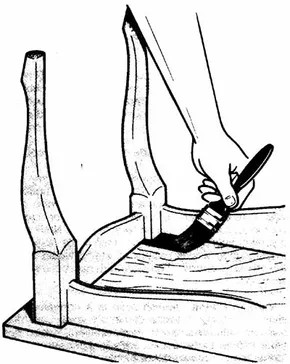
Staining isn’t just about aesthetics. It’s about problem-solving. It pulls together mismatched woods on a single piece. It restores color to sun-bleached spots. It deepens a dull tone. But it’s not always advisable. If you’re unsure, test first. Pick an inconspicuous spot—the underside of a table leg, the back of a chair—and apply the finish you plan to use. Watch how the wood reacts. The finish alone will darken the wood and raise the grain. If you like that look, you’re done. No stain needed. If you want deeper contrast? Then you’re ready to choose.
The Big Decision: Which Stain Type Fits Your Finish?
Not all stains play nice with all finishes. This is where most DIYers mess up. They pick a stain they like, then slap on a polyurethane topcoat, and watch in horror as the stain bleeds through, creating ugly blotches or dark spots.
If you’re planning a durable, shiny polyurethane finish, you need a stain that’s compatible. Most modern stains are, but read the label. If you find an incompatible stain, you’ll have to apply a clear penetrating resin sealer over it first. Then you can apply your varnish. It’s an extra step, but it saves your project.
“If you want a polyurethane finish, look for a stain labeled as compatible. If not, you’ll need a clear sealer barrier.”
Pigmented Oil Stains: The Safe, Opaque Choice
These are the workhorses. Pigmented oil stains consist of pigments suspended in linseed oil, turpentine, or mineral spirits. Sometimes you’ll find them in a gel form, which is thicker and easier to control on vertical surfaces.
Here’s the catch: they don’t penetrate deep. They sit on top. This means they tend to blur or mask the wood grain. If you have open-grained oak, you’ll love the contrast. If you have close-grained maple, it might just look muddy. They’re inexpensive and forgiving, but they fade over time. The color intensity is controlled by how long you leave them on before wiping off the excess.
One warning: these stains can bleed through your topcoat if you don’t seal the wood properly before applying them. And you must seal them after. Long drying times mean patience is required.
Penetrating Oil Stains: Rich Color, Uneven Results
Penetrating oil stains use aniline dyes mixed with turpentine. They soak into the wood, which gives them rich, clear colors that don’t fade as quickly as pigmented stains. But they penetrate unevenly. This makes them tricky on hardwoods like maple, where you might get blotchy spots. They’re best suited for softwoods like pine, which absorb them more uniformly.
Like the pigmented variety, you apply them with a rag, let them sit, and wipe off the excess. The longer they sit, the darker the color. But once dry, they are nearly impossible to remove. You can’t just wipe them off and start over. If you mess up, you’re stuck with it.
NGR Stains: The Professional’s Secret for Hardwoods
NGR stands for Non-Grain-Raising. These stains use aniline dyes mixed with denatured alcohol or a volatile spirit like methanol. They dry fast. Very fast. You have to work quickly, with even brush strokes or quick rag passes. Repeated thin applications are better than one heavy coat to avoid overlaps and streaks.
These are expensive. They’re also finicky. Alcohol-based NGR stains fade and must be sealed well to prevent bleeding. They cannot be used with shellac. Spirit-based NGR stains, however, are more stable. They don’t fade, they don’t bleed, and they produce a very uniform color. They’re recommended for hardwoods, especially close-grained woods where oil stains just sit on top and look bad. Do not use NGR stains on softwoods; they’ll absorb too much and turn into a puddle.
Varnish Stains: Color and Protection in One
(To be continued in Part 2)
You might run into products labeled as varnish stain when hunting for cheap ways to treat interior wood. It’s a mix of aniline dye suspended in a varnish base. Because it sits on top of the grain rather than sinking into it, manufacturers often slap it on drawer boxes and backsides. It’s fast. It’s cheap. And it technically doesn’t need a topcoat.
Don’t let the price tag fool you. The finish looks flat and synthetic. It tends to raise the grain in a way that’s hard to fix without sanding it down to bare wood. Unless you are sealing something that will never be seen, skip it. It rarely survives a proper refinishing job later.
How Sealer Stains Work
Sealer stains are a slightly more robust version of the same concept. They are nonpenetrating blends, usually combining dye with a binder like shellac, lacquer, or varnish. The goal here is to color and seal in one go.
You typically need two coats. One coat isn’t enough to get even coverage without patchiness. After those coats dry, the surface is often treated with paste wax. The wax protects the stain and adds a bit of depth. Like the varnish stain, it doesn’t require a polyurethane topcoat. This makes it attractive for quick projects, but the finish can look plastic-like if applied too heavily.
The Wild Card of Organic Stains
Then there are organic stains. These are made from natural materials. You can dye wood using tobacco, tannins from bark, roots, tea leaves, or even berries. It sounds like something out of a folk tale. And it is interesting.
But here’s the catch. Consistency is a nightmare. Every batch of tobacco or bark will yield a different shade. The chemistry is unpredictable. These stains are rarely recommended unless you have years of experience refinishings old furniture. If you mess up the ratio, you’re stuck with a blotchy, uneven mess that’s hard to correct. Stick to commercial products unless you enjoy experimenting with chemistry in your garage.
Choosing the Right Approach
Each of these nonpenetrating options skips the deep penetration of traditional oil or water-based stains. They sit on the surface. This means they dry fast but also wear differently. They can chip or peel if the wood flexes.
Before you dip a rag into any of these, you need to know how to apply them cleanly. The next section covers the actual mixing and application techniques that keep your project from becoming a sticky, uneven disaster.