Big appliances break. Usually. When that happens, you call a professional. But the things that actually ruin your morning routine? They are small. A dull blade. A cracked mug. A stained cutting board. Fixing these little issues does not require a contractor. It requires a few hours and some basic know-how. You can keep your kitchen functional and pleasant without spending a fortune on new gear.
Why Your Knives Are Dull (And How to Fix It)
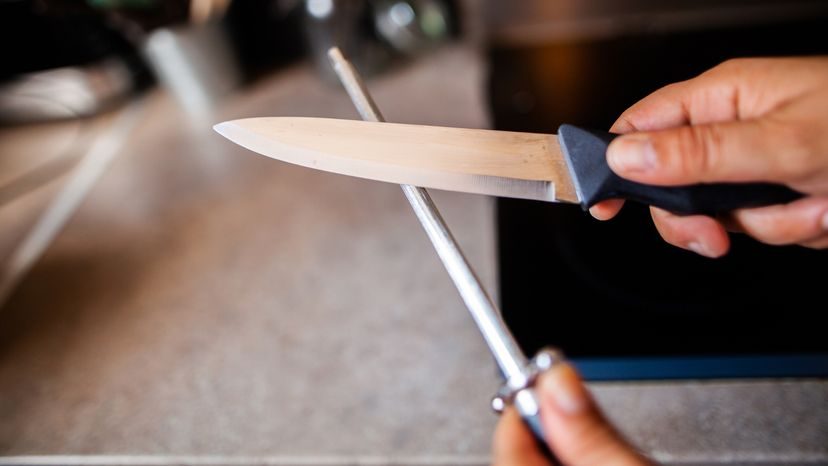
Most home cooks ignore their blades until they can no longer slice a tomato without squishing it. That is a mistake. Dull knives are dangerous. They slip. They require more force. That leads to injury. Sharpening them is not magic. It is mechanical. You are removing metal to create a new edge.
Here is how to do it.
What you need:
* A sharpening stone (water stone or diamond plate)
* A towel
* Water
* A leather strop (optional, for finishing)
The process:
1. Prep the stone. Soak it if it is a water stone. Lay it on a wet towel so it does not slide.
2. Find the angle. Hold the knife at 20 degrees. Most standard edges need this angle. If you are unsure, check the manufacturer’s specs.
3. Start the stroke. Place the heel of the blade on the stone. Pull it toward you while maintaining the angle. Apply even pressure.
4. Work the edge. Do this 5 to 10 times per side. Feel for a burr. That rough edge means you have reached the apex.
5. Hone and strop. Use a honing rod to align the edge. Then, use a leather strop to polish it. This removes the burr. Your knife will slice like it did when you bought it.
Sharpening is not about removing material. It is about refining the edge. Do not rush. Precision beats speed every time.
Fixing Broken China and Glassware
Chips and cracks happen. You drop a plate. You wash a glass wrong. It cracks. Do not throw it away. Glue can save it.
Use epoxy for structural breaks. Cyanoacrylate (super glue) works for minor chips on china. For glassware, clear nail polish can seal tiny hairline fractures. Clean the area thoroughly. Rubbing alcohol removes oils. Apply the adhesive sparingly. Clamp it if possible. Let it cure fully. This takes time. Do not skip the curing period. A weak bond breaks again.
Polishing Metalware
Dull pots look tired. They affect how you feel about cooking. Stainless steel and copper can shine again. Use a paste made from baking soda and water. Apply it with a soft cloth. Rub in the direction of the grain. Rinse and dry. For silver, use a dedicated polishing cloth. Avoid abrasive pads. They scratch. Scratches trap dirt. Dirt makes things look older.
Reusing Old Towels as Potholders
You have old towels. They have holes. You are throwing them away. Stop. They make excellent potholders.
Cut the fabric into squares. Layer two or