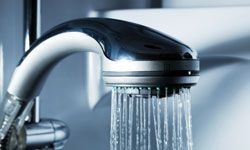
Most people take over 28,000 showers in their lifetime. That is a lot of wet time. Instead of accepting the fixed spray of a standard fixture, swapping to a handheld showerhead changes the entire dynamic of your bathroom routine. These units mount to the wall via a long, flexible hose. You can detach them to aim water exactly where it needs to go. It is a simple upgrade. It requires no major demolition. It does not need refinishing.
For those watching their water bills, this shift helps conserve resources. You direct the flow only where needed. Many models include flow restrictors or shut-off switches. This saves water and energy while maintaining the pressure you need to get clean.
Still on the fence? Here is why making the switch is worth it.
5: Keep Your Shower Sparkling Without the Scrub
Soap scum and mildew are persistent enemies. They build up on tiles and grout until the shower looks dull. The John Bridge tile company suggests wiping down the shower after every use. Most households simply do not have the time to grab supplies and scrub immediately after stepping out.
A handheld showerhead solves this logistical problem. It is always within reach. You can rinse the walls quickly before you even towel off. If you skip the daily rinse, the handheld unit still makes weekly deep cleans easier. Spray down the walls to loosen grime. Scrub the spots. Rinse it clean. The tile and grout look fresh again with minimal effort.
4: Create a Spa-like Experience at Home
You might think you are just swapping one plastic nozzle for another, but the functional shift is massive. A fixed head sprays in one direction. A handheld unit lets you aim. That difference changes everything from how you wash your hair to how you clean your grout.
Think about the last time you tried to rinse shampoo out of long hair with a standard fixture. You had to twist, duck, and hope the spray hit the back of your neck. With a handheld showerhead, you control the stream. No more dried soap scum hiding in hard-to-reach corners hours later. You can wash your body without wetting your hair. You can shave your legs without slipping. And when you need both hands free? Slide it back into the bracket. It functions as a fixed head again. Two modes. One simple swap.
But the utility doesn’t stop at personal hygiene.
Cleaning pets and kids without the stress
Send your dog to the groomer, and you’re looking at a significant monthly expense. Skip that trip. A fixed showerhead often lacks the concentrated pressure needed to cut through pet odors or dense fur. A handheld unit changes the game. You can direct the spray exactly where it needs to go, rinsing away dirt and dander efficiently. It saves money. It saves time.
Kids present a different challenge. Standard showers can be overwhelming. The noise. The heavy, unyielding spray. It scares them. A handheld showerhead puts control in their hands. It helps them overcome fear and learn independence. For parents, it’s a hygiene game-changer. You can rinse a child’s hair while carefully keeping soap out of their eyes. No more crying. No more slipping.
The bonus? That same sprayer works for houseplants. It works for scrubbing mini-blinds. It works for anything that needs a gentle, targeted rinse.
2: Water Conservation
Here is where the math gets interesting. Many people assume handheld units waste water because you’re holding the wand and might leave it running. That’s a misconception. The reality is quite the opposite.
Handheld showerheads often encourage shorter showers and precise usage, leading to lower water bills.
Why? Because you can turn the flow off completely when you’re lathering up or soaping down. You can’t do that with a fixed head without reaching for a wall-mounted valve. With a handheld, the valve is in your hand. You turn it on only when water is touching your skin or the surface you’re cleaning.
This isn’t just about saving gallons. It’s about awareness. When you hold the source of your water, you notice how much you use. You notice the waste. You adjust.
Check the flow rate. Look for models with a “pause” button or a built-in shut-off valve. These features lock the water flow with one click. Release it, and the spray resumes. No need to fumble with knobs. No need to waste a minute turning the water back on after shaving your legs.
Some units even offer eco-modes. These restrict flow to a gentle stream while maintaining coverage. You get the feel of water without the volume. For homes with older plumbing or low pressure, this can actually improve performance by concentrating the available water into a stronger, more useful stream.
The initial cost is
Fixed showerheads are wasteful. They blast water everywhere, even when you only need it on your back. A handheld unit changes the game. You direct the stream. You stop the flow when you aren’t using it. This simple shift cuts your water bill. It also reduces the energy cost of heating that lost water. Many models include a shut-off switch on the handle. Lather up? Click it off. Rinse? Turn it back on. It puts control in your hand.
Low-Flow Efficiency and Aerators
You don’t have to sacrifice pressure to save water. Many manufacturers now offer low-flow handheld showerheads designed for efficiency. These units use special aerators. The aerator mixes air with the water spray. This increases perceived pressure while using less water. Look for a model rated at 2 GPM (gallons per minute) or less. That single upgrade can save roughly 2,300 gallons of water every year. The math is straightforward. Less water in the pipe means less money in the bin.
Accessibility for Limited Mobility
While anyone can appreciate the flexibility, those with limited mobility benefit most. Standard fixtures are static. They don’t move. Most handheld models come with a hose ranging from 3 to 6 feet long. That extra length matters.
Consider an elderly relative or someone with arthritis. Sitting in a shower chair is common for safety. Reaching a fixed head is often impossible. A handheld unit solves this. It allows effective cleaning while seated. This independence is huge. It reduces reliance on caregivers for basic hygiene. For family caregivers, it’s a practical tool. You can bring the water to the patient. No more straining or awkward positioning. It makes the bathroom safer for aging relatives.
Common Questions
Can I install this on my existing plumbing?
Most standard bathroom setups support handheld showerheads. They are designed for compatibility with typical plumbing systems. Check your existing supply line first. If it’s a standard half-inch connection, you are likely good to go.
When should I replace my unit?
There is no strict expiration date. Watch for performance drops. If the spray pattern becomes uneven or you see visible wear and tear on the hose or head, it’s time to swap it out. Mineral buildup can also mimic failure. Sometimes a good descaling is enough.
Final Thoughts
The switch is easy. The payoff is immediate. Lower bills. Less waste. Better access for those who need it. Is there any reason to stick with the old fixed head? Probably not. Just make sure you measure your space. Buy a hose long enough for your needs. And don’t forget to clean the aerator every few months. Hard water ruins everything eventually.