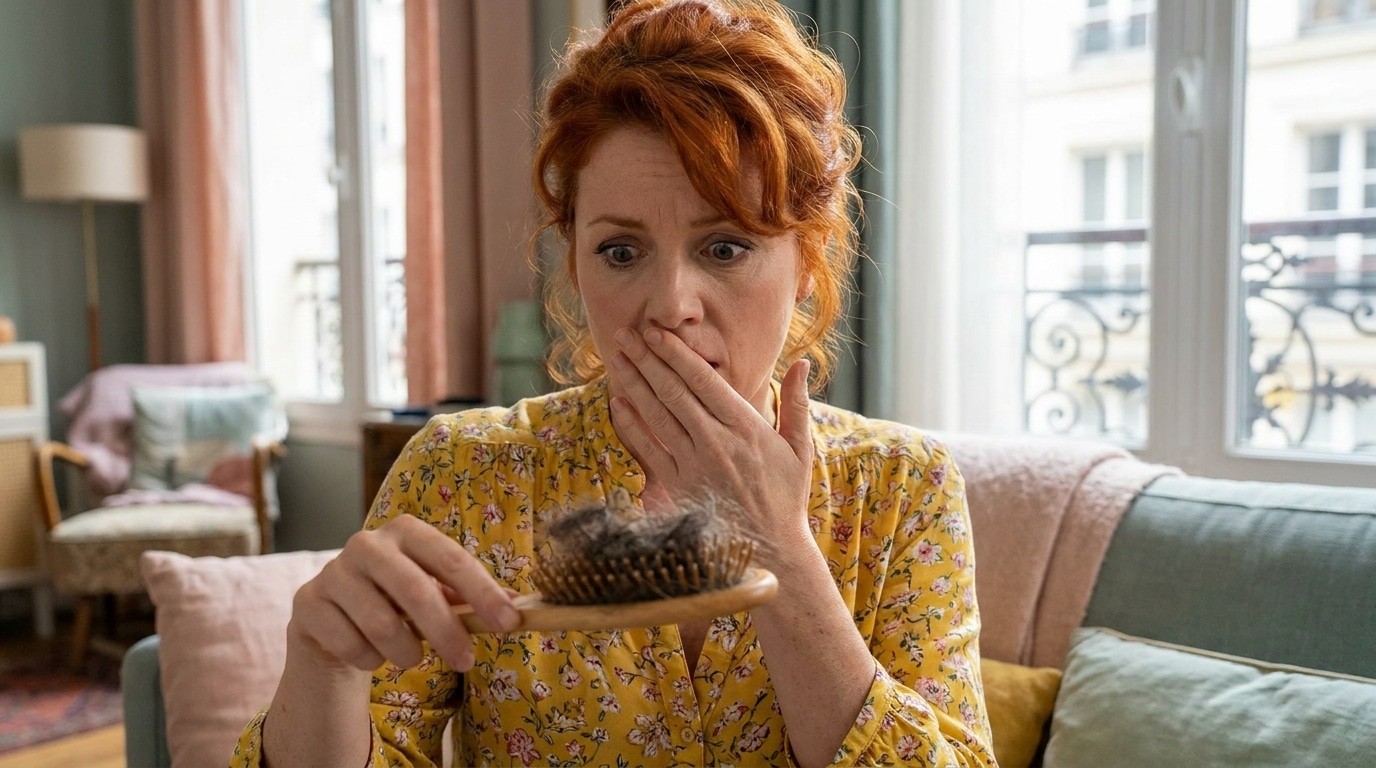
You brush your hair every day. You don’t think about what’s going on between the hairs. But something is building up there. Hair. Sebum. Dust. Product residues. There may also be stray lint ball from your towel.
A dirty brush is a trap. Its surface looks clean. But it was covered in a sticky layer of oil and dirt. This film transfers back to your strands. Your hair looks greasy. They feel heavy. Also after washing.
No need for expensive cleaning agents. No need to scrub for hours. All you need is warm water and dish soap. Most people skip one of these steps altogether. Drying.
If you skip drying, mold can form on it. It can also cause a bad smell. The goal is simple. Break up the oil. Rinse off. Let it air out. Here’s how to do it right.
Why do my brushes get dirty so quickly?
A hairbrush attracts dirt like a magnet. Every time you brush, loose hairs get stuck at the roots. They form a mat. This mat traps everything else.
pollution particles. dust in the air. Micro-debris from outside.
Then there are your products. hairspray. Texturizing spray. mousse. serum. dry shampoo. Even in small amounts, these leave a residue. When the residue mixes with the natural scalp oil (sebum), it creates a glue-like layer.
The layer turns gray at the bottom of the brush. It feels sticky to the touch.
The bristles stop working properly. They slide less. They catch more. Instead of spreading the natural oils evenly, it spreads a dirty film all over your hair. The scalp is covered with old residue. Your hair lacks shine. It feels dull between washes.
Cleanliness is more than just hygiene. This is all about performance.
10 minute soaking solution
Forget fancy powders. Forget complicated recipes. The most effective tools are already in your kitchen.
Warm water and liquid dish soap.
Warm water can soften hardened sediment. Dish soap is designed to cut through grease. That’s exactly what sebum and product buildup are. We do not try to sterilize brushes. You just need to loosen the gunk.
Dilution is important. Too little soap, and the grease stays stuck. If you use too much soap, rinsing becomes a nightmare. You need a balanced mix.
This method is most effective when using a plastic brush or comb. Be careful if you have a wooden brush or air cushion based brush. Prolonged soaking can warp wood. It can weaken the glue holding the cushion. For standard plastic brushes, this soak is magic. Dirt comes off. It floats on water. You stop scrubbing.
Recipe:
– 1 liter of warm water
– 1 tablespoon of liquid dishwashing detergent
Step by step: wash, rinse, dry
Don’t start by soaking. Start by removing the hair.
Pull tangled hair out of the bristles. If you ignore this, the water will quickly become polluted. The grime stays trapped under the hair mat. Use your fingers. comb. Or a separate brush cleaning tool. Take it away.
Now, prepare the bath.
- Mix: Combine warm water and dish soap in a bowl or sink. Swirl it gently to create suds.
- Soak: Soak the brush head in water. Let it sit for 10 minutes. The time does the work. Soap breaks down oil. The water penetrates the base. After a few minutes, you may see the water becoming cloudy due to dirt. That’s a good sign.
- Agitate (Optional): Gently swish the brush in the water. No need to rub. Loose dirt comes off. If any hair remains, remove it immediately.
- Rinse: This step is important. Rinse thoroughly with clean running water. All soap residue must be removed. The soap suds are sticky. It collects dust and dirt faster than a clean brush. If it feels slimy, wash it off more.
Forgotten step: Drying
Most people are in a hurry to finish this part. No.
Wet brushes are a breeding ground for bacteria. It smells like mold. Immediately attracts lint. If it is stored in humid conditions, the material deteriorates. The tree is spreading. The glue fails.
Wipe off excess moisture with a clean towel. Please shake it off.
Turn the brush over. The ends of the hair point towards the floor. Place on a clean towel in a well-ventilated area. This allows water to drain from the bottom. Prevents water from collecting inside the pad and handle.
Allow to dry completely. This may take several hours. Or stay the night.
Patience is rewarded here. You can remove the dirt with a very dry brush. Stays fresh for a long time. No need to clean often. My hair is cleaner every time I wash it. Simplify your everyday life.
How often should I do this? Maybe once a month. Or if your hair feels greasy quickly. This is a bit of a habit. But the difference is clear.
Your hair needs cleaning products.