You think the sun is the enemy. That’s not it. Two summers of neglect can turn a sturdy patio awning into a rusty nightmare before the first leaf falls in the fall.
A repair technician opens the housing of a unit that has been left deployed through two winters, and the scene is usually identical. Rust eats away at the joints. A cloth soaked in moisture freezes into stiff folds. The crank may just give out completely. Most homeowners don’t see this. They see a closed box. Until one day the awning refuses to go back inside.
What the case really reveals
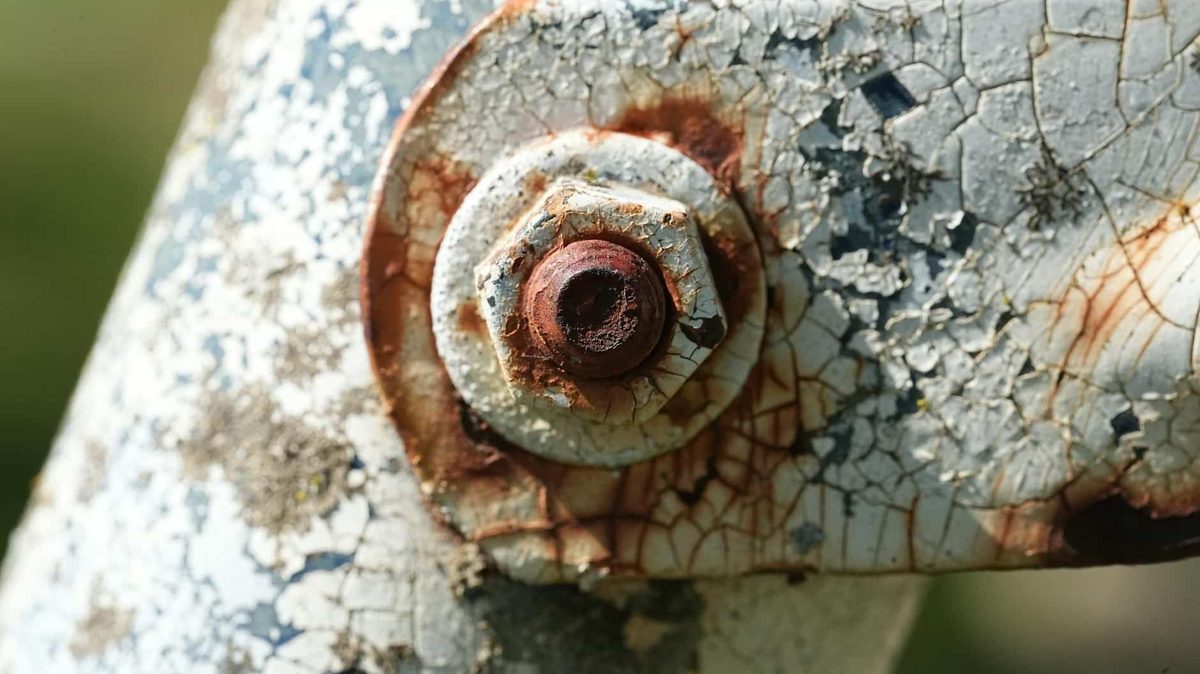
We are obsess over the canvas. We forget that the mechanism inside the tube does the heavy lifting every time you extend it. Over time, dust, sand and moisture can seize the gears. Opening this case after two years of silence reveals everything nature can throw at it: dead leaves, cobwebs, a layer of lime and that faint brownish film that indicates the beginning of oxidation of metal parts.
The squeaks and groans isn’t just ‘age’. Those are distress signals.
If the arms or roller tube complain, it is usually due to a lack of lubrication and a layer of corrosion preventing movement. Ignore it for another season and the whine becomes a hard lock.
By extending the awning from time to time, even in winter, the dirt left in the folds of the fabric or in the casing is swept away. Closing in bad weather prevents rain from accumulating on the fabric, gondola and frame and stretches the material permanently. Were these basics ignored for two winters? There, microdamages add up to total failure.
If you live near the coast, a salt spray will speed up this process significantly. You need quarterly maintenance to keep sand and salt deposits out of the mechanism. Aluminum is resists well. Steel axles and tension springs are merciless.
The invisible enemy: trapped moisture
If the awning was extended while you were away and it rained, do not close it until it is completely dry. This also applies if the fabric has been waterproofing treatment. Otherwise, you invite mold.
This is where the battle is often lost. A storm is coming. They rush to pull in the awning to “save it. But wet material rolled up in a dark case stays moist for days.
Before covering the awning, make sure the fabric is bone dry. Take advantage of a sunny day to open the store completely and let the wind dry it. Chase the humidity. Seems obvious. In practice, people rarely do that.
The result after two seasons of this mistake? stains. Mold. discoloration. Black mold spots embed themselves into the fibers. Once this stage is reached, no amount of scrubbing will fixes it. You need to replace the fabric. And the bill follows.
The price of neglect
Let’s talk about money.
Professional repair for problems in the initial stages costs about 85-160 euros depending on the labor and call-out, or 350-650 euros if you have to replace the motor. These numbers refer to damage caught early. Let two summers go without maintenance and the bill will grow.
Typical repair costs for a neglected unit include:
* Motorization repair: 200-500 euros
* ** Articulated arm replacement: 150-400 euros
* Unrolling mechanism repair:** 100-300 euros
These costs add up. A new fabric costs 300-600 euros depending on the size and material – acrylic, polyester or micro-perforated.
In motorized awnings, in the worst case, the motor is damaged by moisture. Changing the motor alone can cost 600-800 euros, depending on the brand and power. A complete repair of a standard terrace awning (fabric + mechanism + motor) can easily cost more than 1000 euros.
That’s half the price of a new one. All because the equipment would have lasted ten years with two annual cleanings.
In France, it is estimated that more than 70% of discarded awnings can actually be repaired at a fraction of the cost of a new one. This statistic highlights the gap between our perception of wear and tear and the reality of maintenance.
You don’t have to be an motorer to keep your awning alive. You just need to keep it dry and clean. The rest is just time.
Most homeowners treat their retractable awnings like they’re invisible until the sun gets too bright. That’s a mistake. A deep clean once or twice a year keeps the fabric and hardware alive for years. But timing matters. You need two specific windows: spring, before you roll it out for the season, and autumn, after you pack it away.
Think of it as two meetings a year. If you add the lubrication step, you’re looking at about two hours of total work. That is it.
The One Tool You Actually Need
You don’t need heavy-duty machinery. You need a can of silicone spray lubricant.
Apply it to the joints and axles. It sounds simple, but the type of grease you use makes a massive difference. Avoid thick, heavy greases. They act like magnets for dust and grit. Over time, that abrasive paste grinds down the moving parts. Silicone stays clean. It repels water. It works.
Do this once a year, right after the summer heat fades. A spray can costs less than 10 euros at any hardware store. That is the real cost-benefit analysis right there. Spend ten euros now, or pay four hundred later.
The Hidden Danger of Loose Screws
Look at the wall brackets. Seriously, look at them.
Wind and temperature swings play havoc with metal and masonry. Over months of expansion and contraction, screws loosen. It happens slowly. You won’t notice until it’s too late.
Tightening them takes minutes. It uses a screwdriver. But skipping this step in October creates a domino effect. A loose screw in the fall means a bent arm in the spring. The metal fatigues. The fabric sags. You end up paying for a professional repair instead of a five-minute DIY fix.
The Cost of Laziness
When an installer opens the housing after two summers of neglect, you see the result of a bad calculation. You saved one hour of cleaning in October. You pay 400 euros in April.
The lifespan of an awning depends less on how expensive the fabric was and more on how consistently you kept it dry, lubricated, and inspected. Even the fancy models with integrated casings don’t save you from everything. Those casings protect the fabric from direct rain and hail. They don’t stop the internal mechanics from freezing and contracting in the cold. The gel contracts. The metal dilates. The joints seize up if you ignore them.
What to Check Before Winter
Before you leave the house for the season, run through this quick mental checklist:
- Lubricate the arms. Silicone spray on every pivot point.
- Tighten the brackets. Check every screw on the wall mounts.
- Inspect the fabric. Look for small tears or mildew spots that could worsen in the damp cold.
Don’t wait for the first frost to realize you missed something. The hardware doesn’t care about your schedule. It only cares about physics. Fix the loose screws now. Lubricate the joints. Keep it dry.
The difference between a broken arm and a happy summer is usually just a few hours of work in October. Why leave that to chance?