Your home’s air quality isn’t just about comfort. It’s a health and safety issue. If the air is bad, you breathe it in. Every day. The rule is simple: higher concentration of contaminants equals higher risk of health problems. These pollutants don’t just appear out of nowhere. They come from harmful gases or mold growth.
Mold and mildew are everywhere. They grow on furniture. They hide in wet carpets. They spread through heating and cooling systems. They attach to building materials. The spores are harmful. But the gases are worse. Two gases dominate the danger list in most homes. Radon. Carbon monoxide.
Testing the air you breathe isn’t optional if you want to stay safe. Here is how you handle the biggest threats.
Detecting Carbon Monoxide Without Getting Sick
Carbon monoxide is silent. It is colorless. It has no odor. You can’t see it. You can’t smell it. You can’t taste it. Yet it is deadly.
This gas comes from incomplete combustion of fuel. Your stove. Your furnace. Your water heater. Your fireplace. If these devices don’t burn fuel cleanly, they release carbon monoxide.
Once it enters your lungs, it blocks oxygen transport. That is how it kills. Prolonged exposure leads to death. There is no other way to detect it. You cannot rely on your senses.
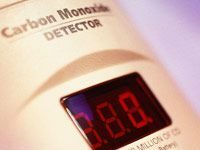
You need a detector. It works like a smoke detector. It sounds an alarm when levels rise. Buy one. Install it. Don’t skip this step.
Testing for Radon in Your Basement
Radon is also colorless and odorless. It rises naturally from the soil outside. It doesn’t stay there. It enters your home through cracks. It moves through dirt floors. It seeps through basement walls. Drainage systems are also entry points.
Why does this matter? Radon is a major cause of lung cancer.
You can’t detect it visually. You can’t smell it. You need a specific tool. Purchase a radon detection kit. Test your home. The data tells you if you are in danger.
Finding Biological Pollutants
Biological pollutants include mold. Mildew. Viruses. Bacteria. Pollen.
Mold and mildew thrive in damp conditions. High humidity helps them grow. Water-pipe leaks are a breeding ground. Constant condensation does too.
Visual inspection is key. Look for signs. Smell the air. Odor is often the first clue. If you see mold, you must act.
Clean the area thoroughly. Use ammonia. Or a similar cleanser. You need to kill the spores. If you don’t, they come back.
Why You Should Test Your Home Air Quality Regularly
Air quality testing isn’t a one-time task. It’s an ongoing responsibility. The sources of pollution are always present. Your heating system runs in winter. Your windows stay closed. Your basement stays damp.
Testing gives you data. It gives you peace of mind. More importantly, it saves lives. Carbon monoxide detectors prevent poisoning. Radon kits prevent cancer. Cleaning mold prevents respiratory issues.
Don’t wait for symptoms. Symptoms mean damage has already started. Test early. Fix problems fast. Your health depends on the air in your lungs. Make sure it’s