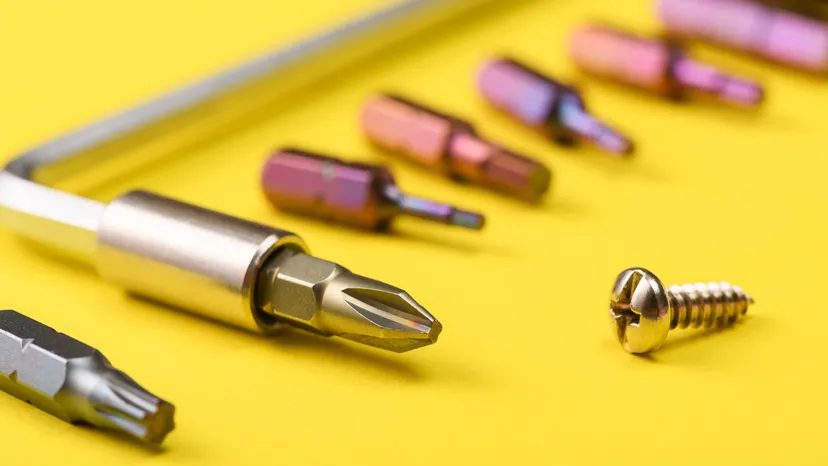
You probably have a drawer full of them. They are the standard. The cross-shaped tip that fits into the matching cross slot of a screw. It is a design that refuses to slip out if you are using the correct size. This is the Phillips head screwdriver.
Henry Phillips created it in the 1930s. He patented it. The first major use? The 1936 Cadillac.
Before this, you had flathead screws. One ridge. One slot. Easy to slip. Easy to strip. The Phillips design changed manufacturing. It is self-centering. The pointed edges of the driver fit snugly into the screw. It grips the center. This tight fit is why factories and handymen still rely on them today.
Understanding the Size Range
You will find these tools in five specific sizes. They range from zero to four.
- Size 0 is the smallest.
- Size 4 is the largest.
Most homes need a mix. You might use a size 1 for small electronics. A size 2 for furniture assembly. A size 3 or 4 for heavy construction. If you do a lot of DIY work, consider a cordless electric version. It saves your wrist. But the manual tool is still essential for precision.
The screws themselves are often lightweight. They are relatively small. They are not meant for structural load-bearing in the same way lag bolts are. They are for assembly. For joining. For holding things together without wobbling.
Matching the Tool to the Task
Here is where people make mistakes. They grab the first screwdriver they see. It might not fit.
Use crosshead screws for most power driving. This includes both Phillips and Pozidriv types. But they are not identical. A Phillips head screwdriver is designed specifically for Phillips screws. It will not work well with Pozidriv. It will not work with Torx. It will definitely fail with flathead screws.
For carpentry and joinery? You might want single-slot screws. They require a flathead driver. Stick to what the job needs.
If you are unsure which size to pick, start gently. Push the tip into the screw. Apply pressure. Turn slowly.
If it wobbles? Stop. You have the wrong size. If it slips out? Wrong type. You are stripping the head. This happens when the driver is too small for the screw. The edges dig in. The metal deforms. The screw becomes useless.
Why Fit Matters
The goal is a snug fit. No play. No gap.
When the fit is tight, you can apply more torque. You can drive the screw deeper. You can work faster. This is why manufacturing loves them. They allow for automated driving. The robot doesn’t have to align perfectly. The self-centering nature handles the minor misalignments.
For you, at home, it means less frustration. It means fewer stripped screws. It means projects that actually hold together.
Check your toolkit. Do you have the right sizes? Do you have a driver for every screw in your junk drawer? If not, go buy them. It is cheap insurance against broken hardware.
Some projects require precision. Others just need something to stay in place. The Phillips driver handles both. Just make sure you are not using a size 0 on a size 3 screw. It will not end well.
The design has survived nearly a century. It works. It fits. It grips. Use it right.