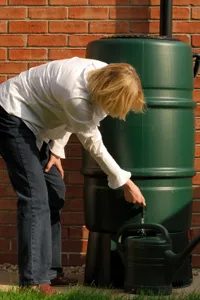
We let free, clean water disappear into our storm drains.
Stop. look up
It’s not just moist air falling from the sky. This is nature’s own distillation process. When it evaporates, heavy chemicals are left behind. The water that reaches the roof is initially very clean. It absorbs some dust. Maybe there’s pollen in there too. When it goes down, pollution enters. However, when heavy rain flushes the air, the air falling into the gutter becomes relatively clean.
Think about it. The water in your tap was a raindrop at some point. Maybe many times. It has traveled throughout the entire Earth’s long history. We use chlorine treatment to make tap water safe to drink. This goes perfectly with a glass of water. It is terrible for your petunias.
Why rainwater is better for plants than tap water
Tap water contains additives. This is not the case with rain.
When using non-potable water, rainwater is a great health alternative. Usually soft. Soft water is good for plants. Helps absorb nutrients more easily. If you notice your grass turning brown despite regular watering, check the water source. Chlorine and other processing chemicals can stress outdoor plants. Rainwater lacks those harsh elements. It’s better for the landscape.
It’s not just about plant health. This applies to your bank account.
Filling your water needs with rainwater helps reduce your electricity bills. Especially in summer. Instead of buying treated city water, we use free water. It can also reduce the consumption of groundwater resources.
Big picture: saving money and ecology
The community is growing. Demand exceeds supply. The city’s water district tries to take water from the overloaded aquifer. We are pushing the limits.
Rainwater harvesting can delay the need for expensive water treatment plant expansions. Population growth, aging infrastructure and urban sprawl challenge these spaces. Your small contribution matters.
In some areas, this is not a luxury. This is survival.
Restrictions are tightened during the drought. Utilizing rainwater can mean the difference between keeping your lawn alive or watching it die of thirst. It might be the only source for washing the family car. In times of water scarcity, rainwater is the difference between having water or not.
There are also ecological benefits here. The water left in the tank is not washed into the city’s system. They stay in lakes and rivers, feeding on fish, birds and wildlife. Reducing demand protects local ecology.
Rainwater harvesting also reduces polluted runoff. Dirty rainwater often flows directly into lakes through storm drains. It carries oil, antifreeze, and chemicals from roadways. This creates a cocktail of chemicals in the river. Reclamation of this water helps prevent pollution of local waterways.
“Reducing the need for water also helps to protect local ecosystems. Water that is not discharged into municipal waterways remains in lakes and rivers to support fish, birds and other wildlife.”
Understanding the pH of water
Before you start building your tank, you need to know what you’re collecting.
pH measures the acidity of water on a scale of 1-14. A pH below 7.0 is acidic. If the pH exceeds 7.0, it becomes alkaline. Neutral is 7.0.
It is important to assess the pH of the collected water. Dissolved chemicals and impurities can change the chemical composition of the water. This can be harmful to humans, animals and plants. Most rainwater is slightly acidic due to carbon dioxide in the air, but rainwater runoff from the roof can change this balance.
The next section takes a closer look at how much water you can collect from your downspout. For now, just start collecting.


