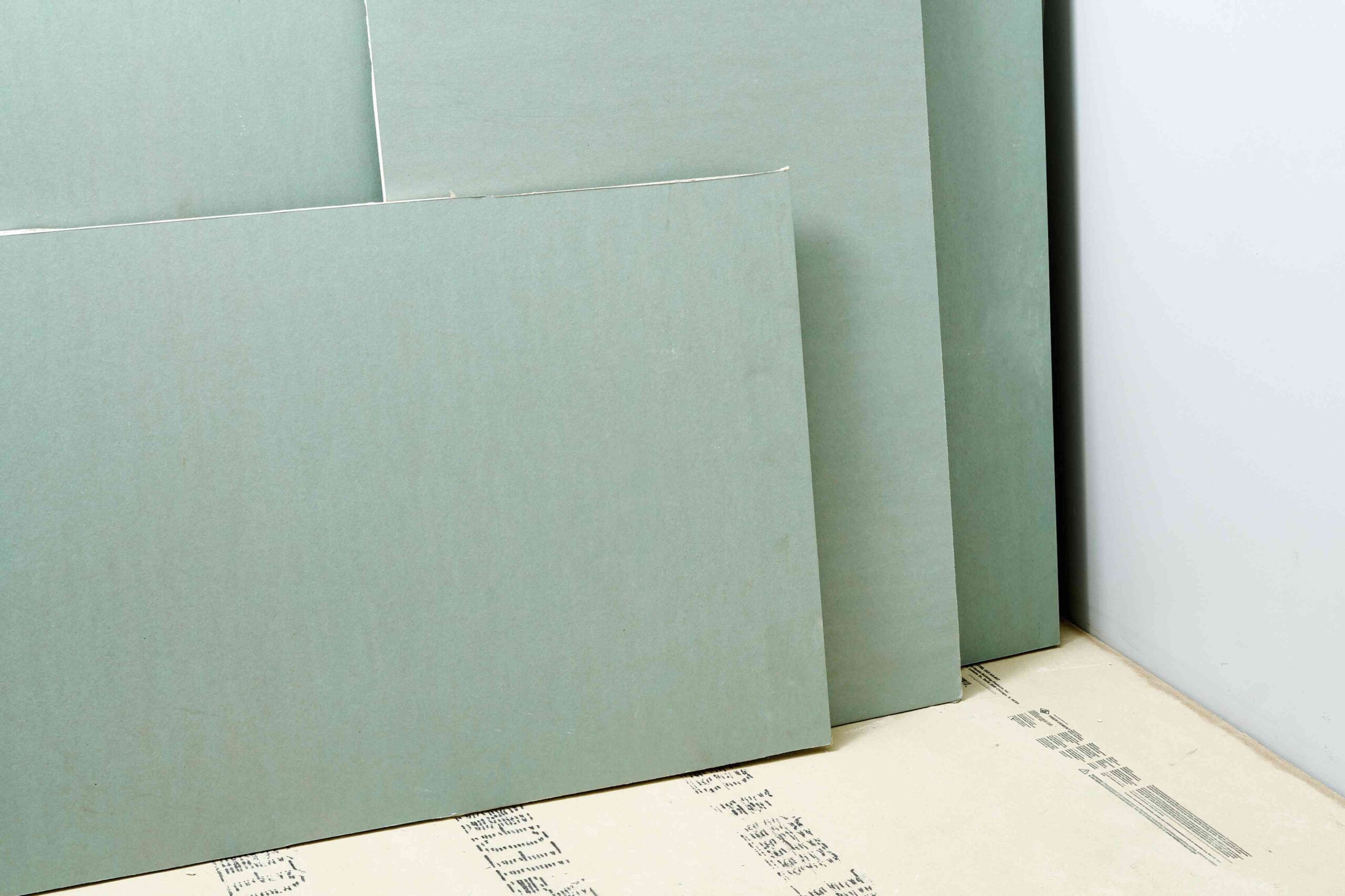
Greenboard. You’ve seen it on job sites. It has a waxy, sea-foam green face. It promises moisture resistance.
It’s not magic. It’s just standard gypsum core drywall with a treatment that shrugs off humidity better than regular paper-faced board. For decades, builders stuffed it into bathrooms. They slapped tile on it.
Then reality set in. The paper underneath eventually failed. Mold crept in. Now? Professionals are ditching it for cement board and glass-mat panels. If you’re tiling a shower, put this in the past.
How Greenboard Differs from Standard Drywall
The core is identical. It’s gypsum. Inorganic. Stable. But the skin? That’s where the story changes.
Greenboard features a modified paper facing. It’s impregnated with mold-inhibiting compounds. It resists water absorption for a short time. But make no mistake: it is not waterproof. It is water-resistant. There is a vast difference.
The green color isn’t just aesthetic. It helps installers identify the material on a cluttered site. It also signals which side faces outward. Some pros use closer nail spacing because the paper edge is more fragile than standard drywall. It tears easier if you’re rough with the screws.
Can you put it on a ceiling? Some pros say yes. Most say no. The added weight combined with humidity can lead to sagging. Stick to walls. Always.
Is Greenboard Still Allowed in Wet Zones?
Technically, yes. ASTM standards allow water-resistant drywall in wet areas if it meets absorption criteria (5% after two hours of immersion). But “allowed by a national test” is not the same as “allowed by your local inspector.”
Building codes are getting stricter. Many municipalities now prohibit greenboard as a backing for shower tile. Local codes supersede national ones. If you guess wrong, you’ll tear it all out later. Check with your local building department before buying.
The Rise of Better Alternatives
Why the shift? Because greenboard isn’t a long-term solution for direct water contact. It’s a humidity buffer. Once water penetrates that green paper, the gypsum core holds moisture. Mold grows behind the tile. The bond fails.
Here are the real choices for wet zones today:
- Cement Board (Durock, Wonderboard): Mineral-based. Heavy. Indestructible to mold. Requires a separate waterproofing membrane (sheet or liquid) before tiling. It’s the old reliable. Expensive labor-wise because of the extra steps.
- Glass-Mat Panels (e.g., DensShield): The new standard. Gypsum core wrapped in fiberglass matting. No paper. No mold risk. Waterproof. Can be cut with a utility knife. Often includes an integrated water barrier. Faster installation. Less mess.
“DensShield requires no separate waterproofing layer… making it greatly preferred by pros.”
Cement board can also be used for floors. Glass-mat panels generally cannot. If you’re painting a bathroom wall outside the shower? Greenboard is fine. If you’re tiling it? Don’t.
Where to Actually Use Greenboard
It still has a place. Just not in the wettest spots. Use it where moisture is an issue, but not a deluge.
- Bathroom walls: Outside the tub and shower stalls.
- Laundry rooms: High humidity, occasional splashes.
- Kitchens: Behind countertops and cabinets.
- Basement walls: If you’re worried about surface dampness (though vapor barriers matter more here).
- Garages: Where condensation might form.
Where to Avoid Greenboard Completely
Skip it. Seriously.
- Shower stalls: Direct water impact will destroy the paper backing over time.
- Bathtub alcoves: Same reason.
- Saunas and steam rooms: The heat and vapor will penetrate the core.
- Ceilings in humid rooms: Sag risk. Mold risk. Avoid it.
The Verdict on Greenboard
Greenboard is a legacy product. It’s fading out.
Manufacturers still sell it. Trade pros still ask for it. But for any application involving tile and direct water contact? It’s obsolete. You’re paying for the convenience of easier handling, but you’re gambling on long-term integrity.
Cement board is heavy, labor-intensive, and proven. Glass-mat panels are lighter, faster, and genuinely mold-proof. The industry is moving that way. You should too.
Or keep using greenboard. Tile a shower. Wait two years. Watch the grout crack. Wonder where the smell came from.


