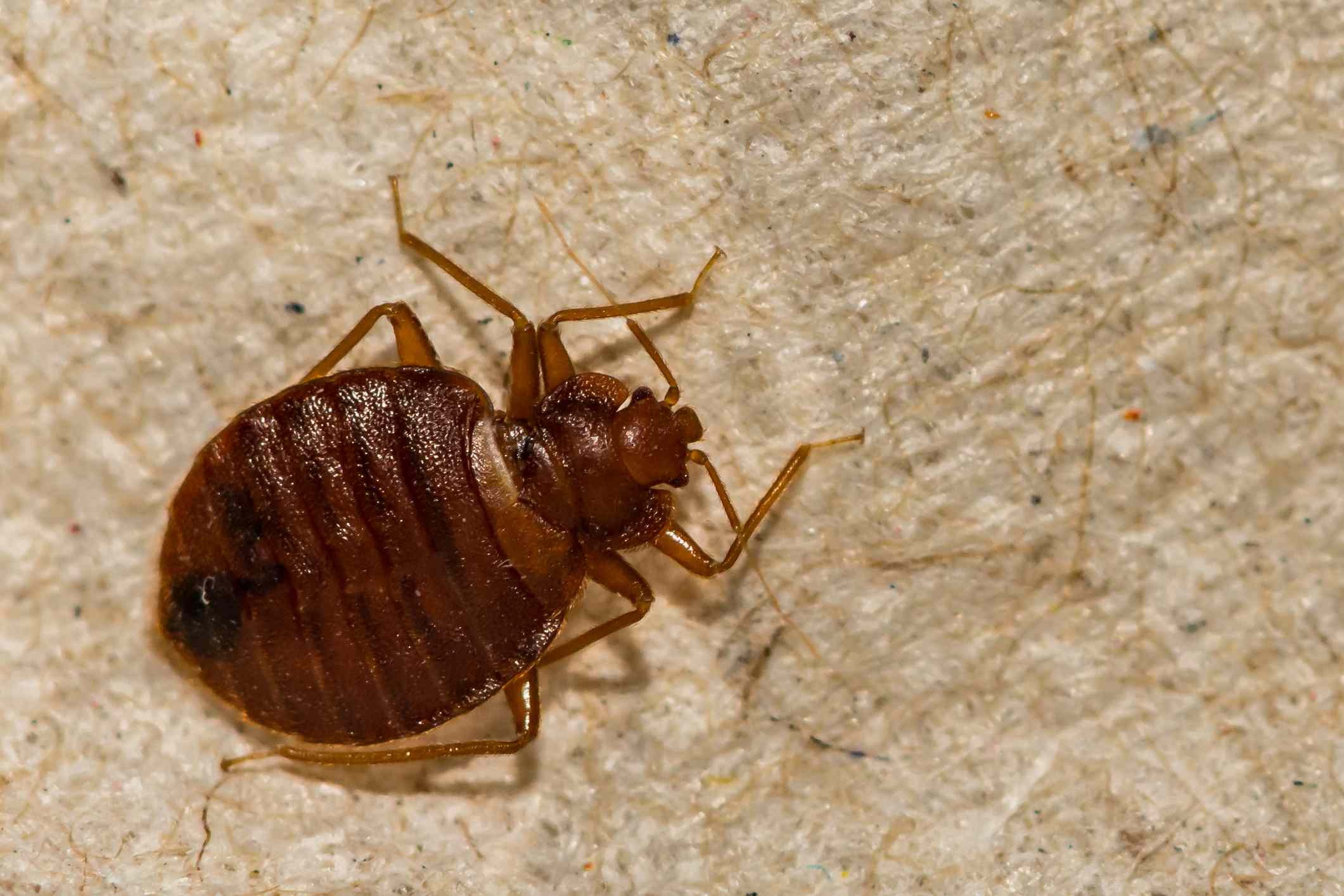
Bed bugs are elusive. They hide during the day. They strike at night. Their bites itch like a flea bite or a mosquito bite. It is easy to get confused. Even easier to panic.
Here is the thing: not every tiny bug on your mattress is a bed bug.
Many insects mimic them. Some require totally different treatments. If you spray pesticides on the wrong bug, you are just wasting time and money. You need to know what you are dealing with.
I have broken down ten look-alikes. Read through the details. Compare them to what you have found. Accurate identification is the only way to solve the problem.
How to Identify Real Bed Bugs First
Before we list the imposters, let’s lock in what a bed bug actually looks like.
Appearance
Adult bed bugs are rusty brown. Oval-shaped. Think a flattened apple seed. They are wingless. They have six legs and two antennae. They range from 3/16 to a quarter-inch long. You can see them with your naked eye.
Nymphs are smaller. Translucent. Whitish-yellow. They can be as tiny as 1.5 millimeters. Hard to spot.
Once they feed, they swell up. Reddening in color. Like a small, inflated balloon.
Movement
They do not fly. They do not jump. But they crawl fast. Up walls. Across ceilings. To the mattress. They seek heat and carbon dioxide.
Where They Hide
Check the bedding. Sheets. Pillows. Blankets. Look in the seams and folds of the mattress. Check the bed frame gaps.
Look further out. Upholstered chairs. Sofas. Under furniture. Behind picture frames. Light switch covers. Headboards. Anywhere dark. Protected. Close to a human host.
Signs of Infestation
Look for droppings. Dark brown to black specks. Resemble dried blood.
Look for pale yellow shed skins.
Look for pearl-colored eggs.
Look for reddish smears.
And, of course, the bugs themselves.
If you see these signs, you likely have a bed bug problem. If not, read on. One of these ten bugs might be the visitor.
01 Fleas
Fleas make pets scratch. Dogs bring them in. Cats bring them in. Then the humans get bitten too.
Appearance: Tiny. Wingless. Oval. Similar color to bed bugs.
The Difference: Fleas are flattened side-to-side. Bed bugs are flat top-to-bottom. Fleas have massive hind legs for jumping. Bed bug legs are thin. Short. Not for jumping.
Habits: They jump from host to host.
Found in: Pets. Household furnishings. They like moist, shady, humid spots.
02 Booklice
They like damp books. Hence the name.
Appearance: Flat. White-gray or yellowish. Very similar to bed bug nymphs. Easy to mistake.
The Difference: Booklice have wings. And larger heads than bed bugs.
Habits: They eat mold and fungi. They do not bite.
Found in: Humid rooms. Books. Paper goods. Old magazines.
03 Spider Beetles
Small. Dark reddish-brown. Often mistaken for engorged bed bugs because of the shape.
Appearance: They look like spiders. Long legs. Bulbous abdomen. Shiny.
The Difference: Bed bugs are duller. Flatter. Slightly larger. A few millimeters bigger than a spider beetle.
Habits: Scavengers. They eat anything plant or animal-related. Feathers. Cereals. Carcasses.
Found in: Pantries. Mills. Warehouses. Attics. Large storage spaces.
04 Ticks
You find them in the woods. Or on your dog. But they can enter your home.
Appearance: Reddish to dark brown. Flat.
The Difference: Ticks are arachnids. Eight legs. Bed bugs are insects. Six legs.
Ticks get lighter after feeding. Bed bugs get darker.
Ticks have a hard dorsal shield with varied markings. Bed bugs have horizontal stripes on their abdomen.
Habits: They feed at night. They do not stay attached forever.
Found in: Grass. Wooded areas. Inside your home, check where your dog sleeps. Look in baseboards. Cracks and crevices.
05 Carpet Beetles
They like carpets. And fabric.
Appearance: Oval. Smaller than bed bugs. 1/16 to 1/5 inches long.
The Difference: They have wings. Speckled patterns. White. Yellow. Brown. Orange. Some are fully black. Bed bugs do not have this coloration.
Habits: They do not bite. Active during the day.
Found in: Carpets. Wool. Silk. Leather. Natural fabrics.
06 Bat Bugs
These are bed bug cousins. They look identical to the naked eye. You need a microscope to tell them apart reliably.
Appearance: Same size. Same shape. Same color.
The Difference: Look at the hair. Bat bugs have longer fringe hairs than the width of their eye. Bed bug hair is very short. Trimmed close.
Habits: Bat bugs prefer bat blood. They only bite humans if desperate.
Found in: Wherever bats are. Attics. Wall voids. If you have bats roosting nearby, check for bat bugs.
07 Swallow Bugs
Related to bed bugs. But they live with swallows.
Appearance: Similar size. Shape. Color.
The Difference: Long, fine hairs all over the body. Also, look at the antennae. The last two segments are the same length.
Habits: They bite humans. They move indoors when swallow birds leave their nests.
Found in: Areas with nesting cliff swallows. Barns. Near bird nests.
08 Head Lice
Small. Six-legged. Found on pillows or sheets? Maybe lice.
Appearance: Size of a sesame seed. Oblong.
The Difference: Sharp claws at the end of each leg. Color ranges from tan to grayish-white. Bed bugs are usually a solid rusty brown.
Habits: They crawl. They do not fly or jump.
Found in: Human scalp. Behind ears. Neckline of the head. Not usually found roaming mattresses unless transferred.
09 Baby Cockroaches
Untrained eyes confuse them. Both are brown. Both are nocturnal. Both flat.
The Difference: Cockroach nymphs have long antennae. Spines on their legs. Cerci (tail-like structures) at the rear end. Bed bugs lack these.
Habits: They crawl. Up pipes. They carry bacteria.
Found in: Warm. Damp. Dark. Undisturbed. Under kitchen sinks. Around pipes. Behind appliances.
10 Oribatid Mites
Tiny arachnids. Mostly outdoors. But they get into houseplant soil.
Appearance: Small. Brown. Bloated. Rounded.
The Difference: Eight legs. Very round body shape. Not flat like a bed bug.
Habits: Eat fungi and bacteria. Harmless to humans. Do not bite.
Found in: Soil. Indoor plants. Reduce moisture with a dehumidifier.
Frequently Asked Questions
What is the main giveaway that a bug is actually a bed bug?
Visibility. They are reddish-brown. Flat and oval. Wingless. Apple seed-sized. They leave behind droppings (black specks) and shed skins. Bat bugs look most similar, but their hairs are longer than their eye width. Bed bugs do not.
Do bat bugs live inside homes?
Yes, if bats do. Attics. Walls. Vents. They prefer bat blood. They will bite humans only if the bat population is gone and they are starving.
What instantly kills bed bugs on contact?
Rubbing alcohol. Diatomaceous earth. Steam. These methods work on contact. Note: Spraying alcohol on an infestation is dangerous due to flammity. Steam and heat treatments are safer for killing bugs and eggs in mattresses.
Do you have to worry if you only find one bed bug?
Don’t ignore it. Turn over the mattress. Use a bright flashlight. Check seams. Look for signs. Wait a few days. Check again. Watch for bites. One bug often means more are nearby.
Are kissing bugs and bed bugs the same?
No. Kissing bugs are larger. They have a reddish-orange band on the abdomen. They are assassin bugs. Found outdoors often. Can enter homes. They carry Chagas disease. Use insecticides for them. They are not bed bugs.
Final Thoughts
Misidentifying a pest is common. The stakes are high though. Wrong treatment means the infestation grows.
Look closely. Check the legs. Check the wings. Check the habitat.
If you still can’t tell, take a photo. Show it to a professional. Or at least a really knowledgeable entomology forum. Better safe than sorry.
And if it is bed bugs? Call a pro. Home remedies often fail against true infestations. Don’t let them spread to your neighbor’s unit.


