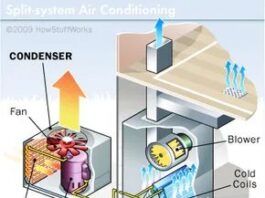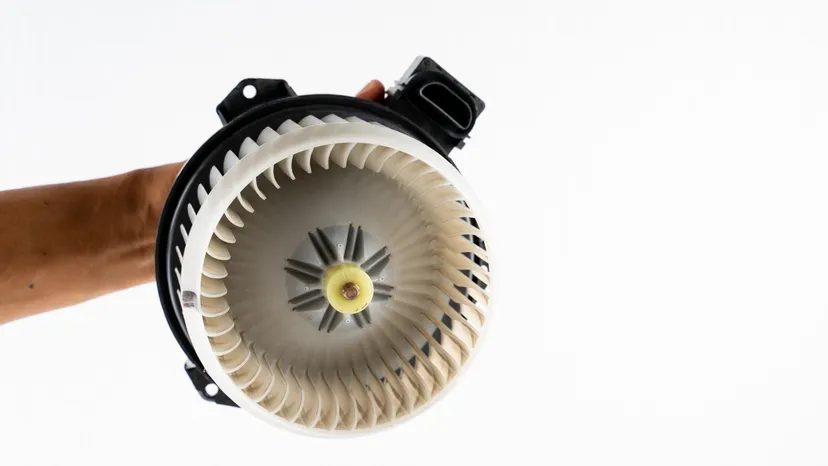
A blower motor is just an electric motor that spins a fan. Its job is simple: move air or gas. In your home, it circulates fresh air or pushes stale air out. In your car, it does the same for your cabin. If the motor dies, you stop feeling that breeze from the vents.
We are looking at what these components actually do. More importantly, we are going to walk through how to test a failing blower motor in your vehicle. A broken one ruins comfort. It can also strain other systems if you ignore it.
The Role of Blower Motors in HVAC and Automotive Systems
In any HVAC system, these motors are non-negotiable. They push hot or cold air through ducts. Without them, you have a static box. Heating systems rely on the blower to spread furnace heat. Air conditioning relies on it to distribute cool air. The whole system’s efficiency hinges on this one moving part.
Cars are no different. The HVAC blower motor is central to cabin comfort. It keeps the temperature stable regardless of the weather outside. A bad blower motor means zero airflow. Your passengers sweat or freeze. It is a direct hit to comfort.
Industrial and Commercial Uses
These motors aren’t just for homes and cars. They run in industrial settings too. Air filtration systems use them to scrub pollutants from the air. Cleanrooms and labs depend on this HVAC equipment to maintain strict air quality. In pharmaceuticals or electronics manufacturing, a slight fluctuation can ruin a batch. Precision matters.
They also cool electronic components and heavy machinery. Think of them as a mini HVAC unit inside your tech. They prevent overheating. They stop damage before it starts.
Smart Home Integration
Modern furnaces are getting smarter. Blower motors now integrate with smart home tech. You can connect an advanced furnace blower motor to a smart thermostat. This gives you precise control over heating patterns. You can adjust settings from your phone. Energy usage drops. Comfort goes up.
These systems provide real-time diagnostics. They alert you if something is wrong. You catch issues early. This proactive maintenance prevents costly repairs. It also extends the life of the furnace. It is a significant evolution in home heating.
How to Test and Repair a Car Blower Motor
Your car’s HVAC blower motor is critical. Without it, your air conditioner won’t work properly. There is a risk the engine could overheat if the cooling loop fails. If the fan spins but no air comes out, check the airflow controls first. If the motor won’t turn on at all, you need to dig deeper.
Start by checking the fuse. Use a voltmeter or ohmmeter to see if it is blown. Replace it if necessary. Start the car. Test the blower motor. If the fuse blows again, you have a loose circuit. Check the wiring. If the circuits are fine but the fuses keep popping, replace the blower motor.
Sometimes the issue is noise or variable speed. You might be able to save it.
- Disconnect the car battery first. Safety first.
- Detach the blower motor from its electrical connector.
- Unscrew all the screws on the unit. Keep them in a small container so you don’t lose them.
- Find the retainer clip in the center of the blower wheel. Disconnect it from the motor shaft. Set it aside.
- Clean out any debris from the motor housing. Dust and dirt are enemies.
- Use an electrical-parts cleaner on the motor.
- Oil the bearings. A little lubrication goes a long way.
- Check that the blower wheel spins freely. Ensure all other parts operate correctly. If something sticks, clean and oil it again. Test it.
If it works, reinstall it. If not, buy a new blower motor. It is a straightforward process if you have the right tools. You don’t need a dealership to handle basic HVAC maintenance. Just be careful with the electrical connections.
The air will flow again. Or it won’t. Either way, you know where to look.