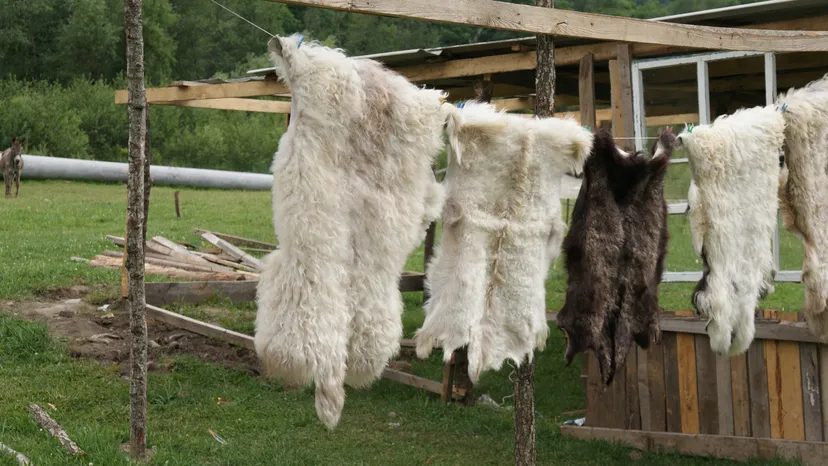
There is a special luxury you can only get from sheepskin. It’s soft. It’s warm. It retains warmth without feeling heavy. It can be seen in boots, car seats and on chairs. The fibers are breathable, so you can use it in the summer without overheating and in the winter without freezing. But that comfort has a catch.
The leather side of the skin is sensitive.
If you treat it like a cotton t-shirt, you’ll ruin it. The material is absolutely wrinkle- and tear-resistant. It keeps its shape. It stays warm even when wet. But if you wash it wrong, the leather will stiffen, crack or shrink. Proper cleaning of sheepskins is not just about hygiene. It’s all about preservation.
Here’s how you can maintain this luxury.
Choose the right cleaning agent
Start with what goes in the wash. Most people reach for the first bottle they see. Don’t.
Sheepskin is protein-based, similar to wool. Enzymes break down protein. So if the detergent contains enzymes, it will attack the fibers during cleaning. Read the label. Look for mild detergents designed specifically for wool or delicate fabrics that do not contain enzymes.
If you are washing a small piece of clothing, such as a glove or a small throw, skip the machine altogether. Use a mild hand dishwashing liquid. A few drops in a basin of water is enough. The goal is a gentle movement, not a thorough chemical scrub.
Never use bleach. Period. Bleach destroys the natural oils in the leather and breaks down the wool. It’s an unnecessary risk with no benefit.
Washing process
Temperature is more important than you think. Hot water sets stains and shrinks the leather. Cold water may not lift dirt effectively. The sweet spot is cold to lukewarm water. Aim for a maximum temperature of 108 degrees Fahrenheit (40 degrees Celsius).
If you use a washing machine, you must wash the sheepskin separately. Why? Because shedding and bleeding may occur. You don’t want colored threads from another garment to transfer to your expensive rug, and you don’t want loose wool fibers from a sheepskin to transfer to a delicate one.
Use a gentle cycle. If your machine has an extra rinse function, use it. You want to make sure all soap residue is removed. The soap left on the fibers later attracts dirt.
Drying: danger zone
This is where most people lose their sheepskin products.
Do not tumble dry. The heat and drum will felt the wool, shrink the leather and likely destroy the item. Don’t iron it. Direct heat burns leather.
Line dry in the shade. Sunlight can fade the color and dry the leather too quickly, making it brittle. Hang smaller items on a line. Lay rugs or larger throws flat on a clean surface.
Here’s a trick that most tutorials miss. While the garment is still damp, you need to stretch it. Gently pull it back to its original dimensions. The leather dries tighter than at the beginning. If you let it dry shrunk, it will stay shrunk.
Aftercare
When the sheepskin is completely dry, the fibers may appear matted or clumped