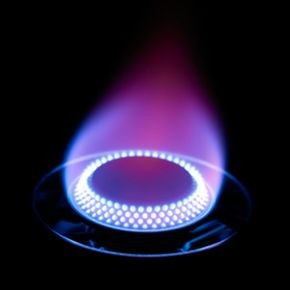
Yellow flames are a red flag. A healthy gas burner should burn with steady, full blue fire. If you see sputtering or yellow tips, something is off. Adjusting the main burner flame height is not a DIY task. Call a professional service person. They have the gauges and knowledge to set it right without creating a carbon monoxide risk.
The pilot flame is different. You can tweak that one yourself. Locate the pilot assembly near the gas valve. Look for a small flame adjustment screw. Turn it carefully. You want the pilot flame to sit between 1 1/2 and 2 inches (3.8 to 5.1 cm). If your control doesn’t have this screw, stop there. Don’t force it.
Gas leaks demand immediate attention. If you smell gas or suspect a leak around the furnace, don’t ignore it. Mix liquid detergent with water. Use a brush or rag to paint the soapy mixture over gas supply lines, connections, and valves. Watch closely. Bubbles forming at any joint mean you’ve found a leak.
Once you spot the leak, try tightening the connection. Use a pipe wrench. Be gentle. Over-tightening can crack fittings or strip threads, making the leak worse. If the connection still leaks after tightening, or if the valve itself is faulty, stop. Call a professional service person. Gas is not something to gamble with.
A soap-and-water test is the most reliable way to pinpoint small gas leaks before they become emergencies.
Not all furnaces behave the same. An oil furnace introduces a completely different set of problems. Blocked fuel lines, clogged filters, and nozzle issues change the troubleshooting game entirely. But that’s a problem for another day. For now, focus on keeping your gas system stable and leak-free.


