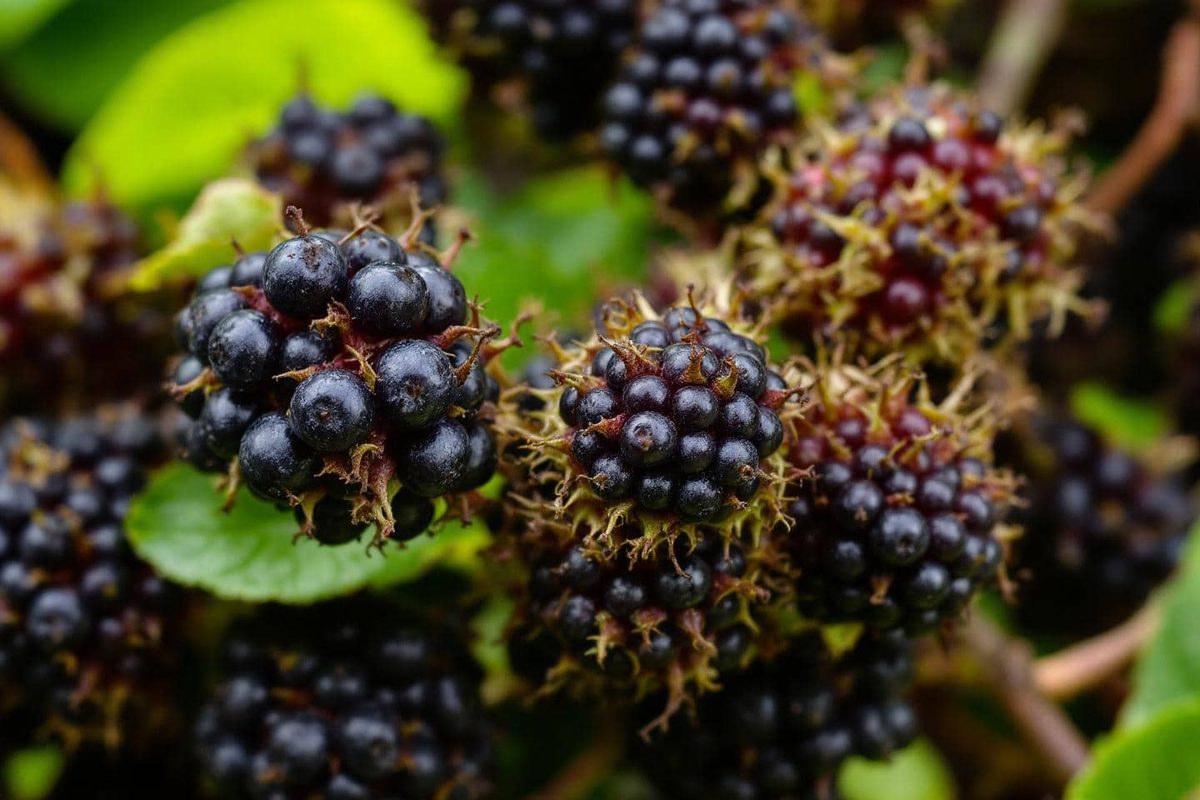
In the heat of summer, the garden becomes a stage. The days are getting longer. The flowers shone with bright colors. But few fruit trees give such an early, abundant and unexpected harvest at the end of July. Imagine the neighbors’ shock. Walking through the garden, they find a tree full of black, juicy fruit. Ready to choose. Immediately after planting.
This long-forgotten fruit tree is back in the spotlight. It could be the new star of your garden this season.
Why the black mulberry is a game changer for home gardeners
I think we’ve seen it all in the fruit tree business. Apples. Peaches. Cherries. Normal stuff. But a plant with a rich history and unique flavor is making a comeback. It arouses the curiosity of gardeners who want to step out of the ordinary box.
It’s the black mulberry (Morus nigra ).
A tree that breaks the mold: more than just an ornamental shrub
Among species that have survived for centuries, the black mulberry has a special place. Its majestic silhouette. Its dense foliage. Its ability to establish itself almost anywhere in France. It once formed the main part of the monastery’s garden, but has since become an urban estate. Today, its existence is obscure compared to the ubiquitous apples and cherries.
What immediately impresses is the combination of low maintenance and high productivity. Here is the key detail most people miss:
**You can harvest fruit the year you plant it. **
Most fruit trees require patience. Plant them and wait a season, maybe two, maybe three. The black mulberry breaks this rule. Small trees planted in summer usually produce valuable fruit in the first year. This is an unusually fast turnover for a woody perennial.
In July, when other trees are suffering from the heat, this tree bears plenty of black berries. It’s a visual feast. And the taste. For those who are looking for originality in the ingredients.
Why do curious gardeners pick black mulberries?
The charm of the black mulberry tree lies in the fact that it defies the common sense of ordinary orchards. Where you expect to wait, it delivers abundance. Where you fear disease, it shows natural resistance.
This revival attracts two different groups.
- beginners looking for something new that really works.
- The enthusiasts wanted an instant “wow” effect in the first season.
Perfect for a modern and environmentally friendly garden. The Black Mulberry Rapid Harvest Cycle has amazed and excited all generations. It is also adaptable. It can be grown even in small spaces. balcony. yard. Full ground soil.
This adaptability makes it the first choice for urban gardening. You don’t need acres of land. All you need is a sunny spot and some soil.
The black mulberry: King of rapid yields
Speed is the biggest attraction. However, flexibility is a secondary benefit. This tree is not very demanding. The first year does not require a complicated surgery schedule. It doesn’t require expensive fertilizers to trigger fruiting.
It just keeps growing. It bears fruit.
For DIY homeowners, this means less hassle and faster returns. While your friend is waiting for the fig tree to ripen, you are already eating fresh fruit from your garden. This is a real advantage.
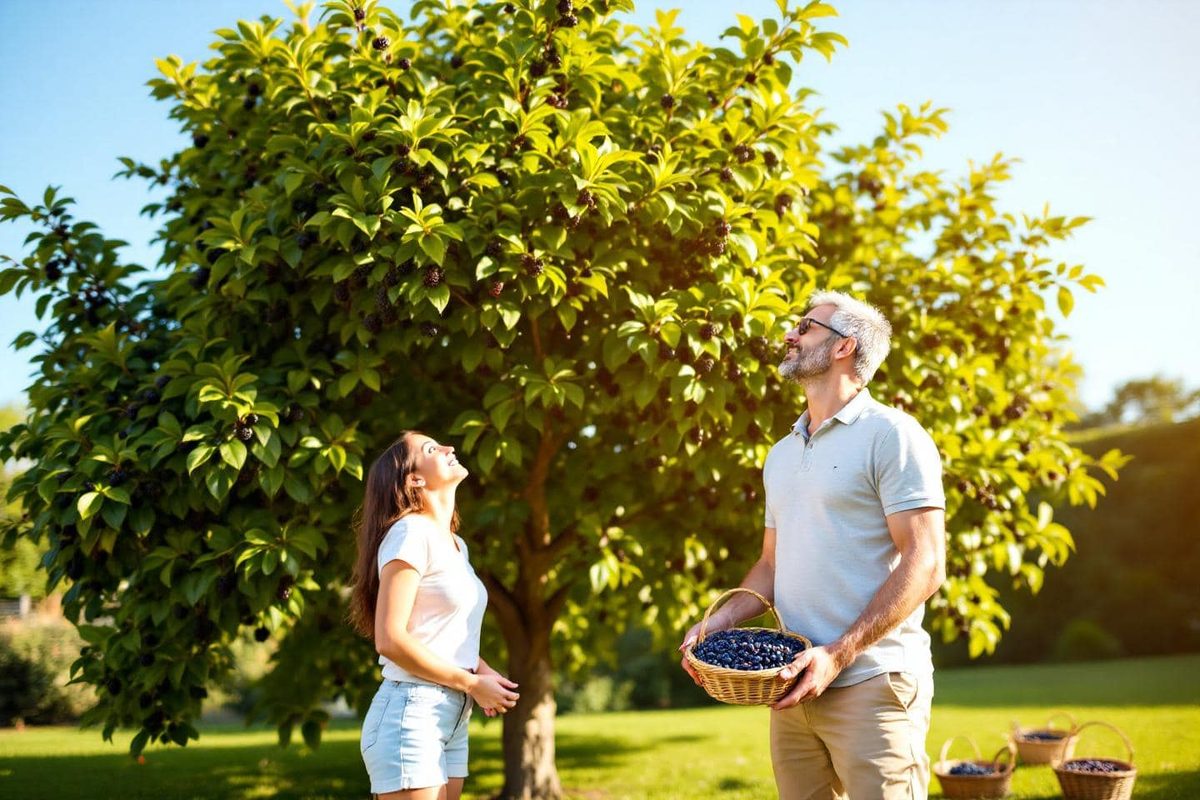
Harvest time and summer peak
The black mulberry is not only famous for its taste. It’s all about speed. Most fruit trees have to wait several years before reaching large yields, but this follows different rules. If planted in spring or early summer, you will see fruit from the first year. It’s almost unfair to compare it to apples and pears.
The fruit itself is dark in color, almost black, and when hot weather comes, it accumulates on the branches in large quantities. Harvested every morning from June to August. High sugar content. The taste is very strong. Eating straight from the tree is the only right way.
In warm climates, established young trees can produce 2-3 kilograms of fruit in the first season. It produces a lot of fruit for seedlings.
Why was there so much production in the first year?
This is not magic. This is vitality. Black mulberry quickly forms a dense root network. A few weeks after planting, it is already securing water and nutrients. This aggressive growth habit originates from the hot and dry Mediterranean climate. It was developed to take advantage of short opportunities.
To maximize this effect, plant a grafted tree or a cutting during the growing season. Modern varieties have been bred to be durable and early fruiting. You can receive the rewards within a year. This is an easy win for the impatient gardener.
Planting for a guaranteed harvest
When you’re ready to dig in, follow these guidelines: Summer planting is possible, but care must be taken. Choose a cloudy day or wait until it rains. The soil should be cool, not hot.
- **Deep soil loosening. ** Remove stones and debris.
- **Add compost. ** Use decomposing organic matter to improve structure.
- **Position the tree. ** The neck of the root (the part where the root meets the trunk) must be exactly at ground level. Don’t bury it too deep.
- Water abundantly. This removes air pockets and makes it easier for the roots to take root.
For quick results, buying potted plant grafts is the best option. Many nurseries now have fruit plants.
Soil, sun and water requirements
This tree is tough. It tolerates poor soil if it is well drained. Prefers slightly clayey, humus-rich soil. It retains moisture even during heat waves without turning into mud.
Exposure to sunlight is important. Full sun is ideal. Partial shade is also effective, but results in less fruit. In hot southern regions, afternoon shade can help prevent sunburn.
Watering is important in the first year. Keep the soil moist but not wet. Once the tree has grown, it is very drought tolerant. It’s low-maintenance. Save water and time.
Picking and sharing
Fruits fall off easily. This is both a blessing and a curse. If you wait too long, you’ll end up picking something off the ground. Place a tarp or sheet under the branches to catch fallen fruit. Cleaning becomes easier.
The taste is sweet, complex and juicy. It stains everything. Wear old clothes. Share your blessings with your neighbors. The abundance are often too much for families.
You can see the branches bending under the weight. This is normal. Fruits hang in clusters. Harvest in cool mornings. The berries are fragile. Handle them like eggs.
The fruits are at their peak for a short time. Miss it, and it ferments on the ground. It is a competition between the sun and the birds.
Harvest storage and preservation
Not everything can be eaten raw. The shelf life is short. Refrigerate for 2 days or 3 days if they’re still firm. If you want to keep it for a long time, freeze it. Spread the berries on a baking sheet. Freeze until solid. Then pack them into bags. This prevents it from turning into solid ice.
You can also make jam. The pectin content is natural. It sets well without added agents. The color is deep purple. The taste is concentrated.
Some people dry them. The flavor becomes sweeter, more intense. It’s a different experience, but still valid.
When a tree is full, it does not stop producing. It goes on and on. August is not over yet. This is right in the middle.
There’s always more. You might find a few berries hidden among the leaves, forgotten by the rush. They ripen later. Usually sweeter. you have to look for them.
This is a cycle. Plant. Wait. Pick. Share. Repeat. The tree gives back every year. Harvesting may vary depending on the weather. But it never ends.
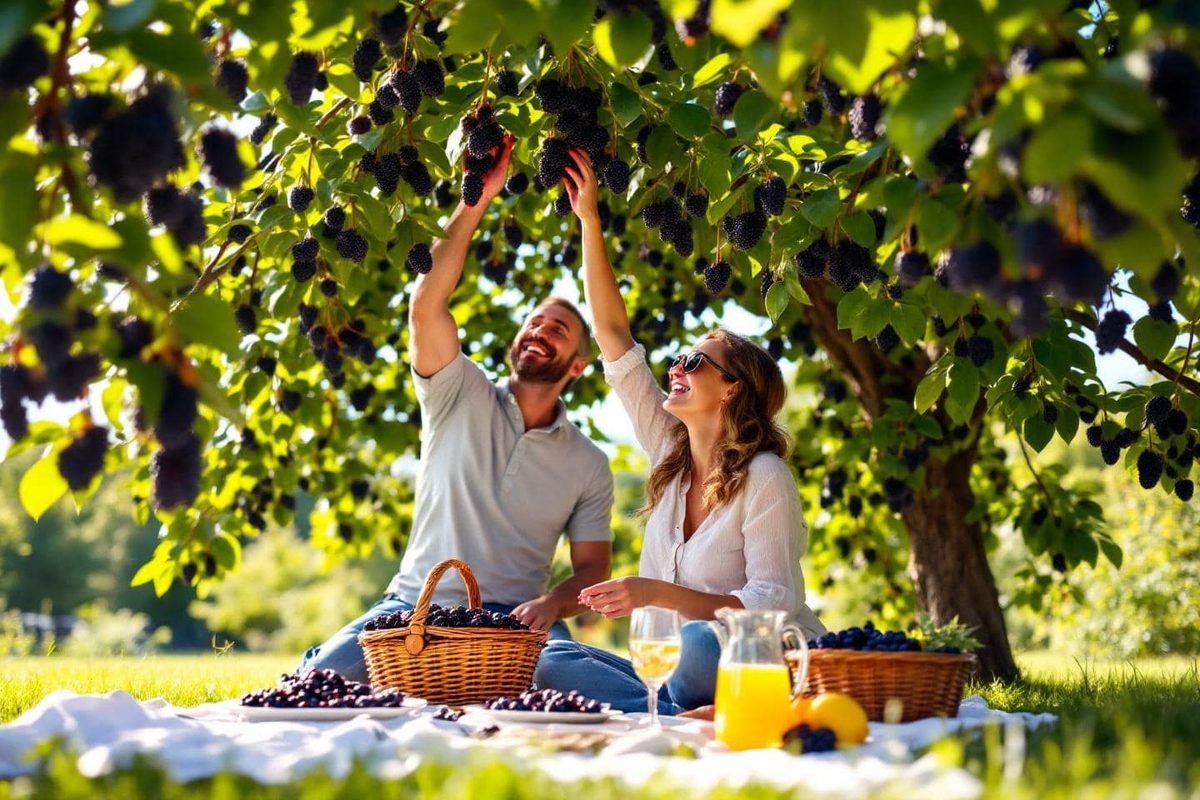
Mulberry hunting is more about finding edible gems than gardening. The fruit will fall more easily when they are ready, but timing is important. Go early in the morning. The cool air keeps the berries firm and preserves their delicate flavor before they turn sticky in the sun.
These are not available in all grocery stores. That’s part of the charm. Only wash after harvesting if you plan to eat it right away. If you store it, skip the wash. Moisture is the enemy of texture. Place the dry berries in an airtight container in the refrigerator. If you are careful, they last a few days or even a week.
Harvest preservation: How to keep black mulberry fresh
These trees are very abundant and you need to preserve them. The easiest way is to freeze them. Spread the berries on a baking sheet. Freeze until solid. Then transfer them to bags. This will prevents them from sticking in a giant ice brick.
Canning is also an option. A single kilogram of fruit produces about two jars of jam. The deep purple color catches the eye. The taste is a tangy sweetness that cuts through the sugar. Remember to sterilize the jars properly. This preserves the flavor for several months. You’re essentially capturing summer on a cold January morning.
Simple Black Mulberry Recipes to try tonight
Don’t just make jam. These berries shine when fresh preparations. Try this quick appetizer. It takes 5 minutes.
- 200 grams of fresh black mulberries
- 100 grams fresh cheese, like ricotta or goat cheese
- fresh basil leaves
- Honey for drizzling
Spoon the cheese onto a plate. Top with berries. Tear the basil leaves and sprinkle on top. Drizzle with honey. The contrast between creamy cheese, sweet fruit and peppery basil is unexpected. it works. Serve immediately.
If you want something sweeter, fold the berries into homemade yogurt. Or toss them on buttered toast. Rustic tarts also benefit from their acidity. The juice stains everything purple. This is a feature, not a bug. It signals abundance.
Why mulberry trees improve garden biodiversity
A black mulberry tree is more than just a source of fruit. It’s an ecosystem engine. The flowers attract pollinators. The wind does most of the pollination work, but the bees still visit. The fruits attract birds. Blackbirds and sparrows love fallen berries. This activity boosts local biodiversity.
The tree itself provides shade. Its canopy is dense. In spring, the leaves unfold into a thick cover. Use it as a natural umbrella in a reading corner or picnic area. The wood is also known for its durability. Historically, it was used in marquetry. Today it is mainly used for shade and fruit.
Unexpected Uses for Black Mulberry Trees
Look beyond the fruit. The leaves have their own utility. In some regions, they are dried for herbal tea. Mild taste. This once prized wood is still talked about, although it is rarely used today. Few neighbors can boast of eating mulberries from their garden that day.
Autumn brings new visual pleasure. The leaves glowed golden. This color persists long after harvest. They can add structure to your garden when other plants have died.
Planting mulberry trees can change the dynamics of an outdoor space. Attract wildlife. They provide food. It provides shade. You have to wait until the peak production year, but you will get fruit in the first year. The level of effort is low. The rewards are high.
Start small. Please select a tree. Observe how it blends into your landscape. The fruit will come. The birds will also follow you. You can also share it with your neighbors. Or you can keep it all to yourself. Either way, it will make your garden more vibrant.