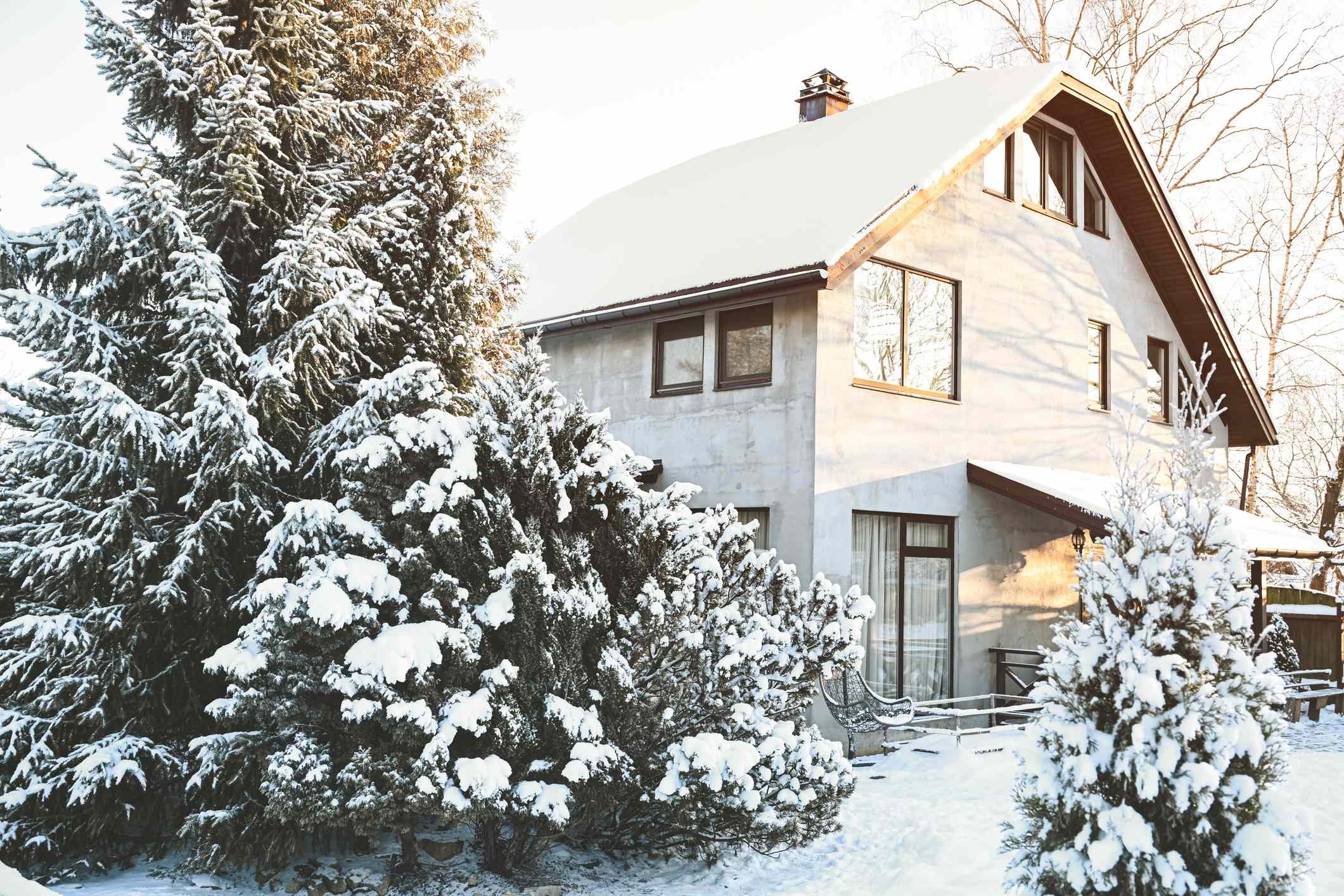
Snow-laden trees can be beautiful, but heavy snow and especially ice pose a real threat to branches, potentially causing breakage and damage to property below. Tree experts emphasize that while nature often handles snow loads effectively, intervention is sometimes necessary, especially for vulnerable trees. Here’s how to safely manage snow accumulation on trees.
Why Remove Snow from Trees?
Most mature trees are structurally sound enough to withstand typical snowfalls. However, young trees (under two years old) and those with pre-existing weaknesses are at higher risk of branch failure under heavy snow loads. According to Lisa Tadewaldt of Urban Forest Pro, proactive removal can prevent damage, particularly if a tree already shows signs of instability. Ignoring this risk can lead to broken branches falling onto homes, cars, or other structures.
Safe Snow Removal Techniques
In many cases, letting snow melt naturally is the best approach. But if removal is needed, safety is paramount : never stand directly under the tree canopy.
Using a Pole
A long pole or similar tool can gently nudge branches from a safe distance, allowing snow to fall without direct contact. Be cautious, as snow shifts unexpectedly and can pull the pole downward, creating a hazard. Wear protective gear and remain aware of your surroundings.
Snow Blowers, Brooms, or Brushes
For smaller accumulations, a snow blower, broom, or long-handled brush can be used. Gabe Boersma of Gabe’s Top It or Drop It Tree Service recommends working from the bottom of the tree upward to avoid overloading lower branches. Warmer temperatures can also help loosen snow, making removal easier. However, avoid excessive force to prevent cracking branches.
When to Call a Professional
Attempting to remove ice manually is generally ill-advised, as it causes more harm than good. Trees are best left to thaw naturally. If ice accumulation is severe and threatens property, call an arborist. Similarly, if you’re uncomfortable or the task seems too dangerous, professional assistance is essential.
Long-Term Prevention
For trees near structures, consider light pruning in the spring to improve their winter resilience. This can reduce snow buildup and minimize the risk of future damage.
Trees are generally better off letting ice melt naturally, but proactive care can prevent serious issues, especially for younger or weakened trees.
Ultimately, a combination of careful observation, safe removal techniques, and professional help when needed will ensure trees survive winter storms without causing harm.


