When we think of the animal kingdom, our minds often drift to social creatures: wolf packs, bustling bee colonies, or massive herds of wildebeest. However, a significant portion of the natural world operates under a completely different social contract. For many species, solitude is not a sign of isolation, but a highly effective survival strategy.
The Logic of Living Alone
In the wild, “social” does not always mean “successful.” For many animals, forming a group creates more problems than it solves. Choosing a solitary lifestyle offers several evolutionary advantages:
- Resource Management: Large groups create intense competition for food and water. By living alone, an animal ensures that the resources it finds are for its own survival.
- Disease Control: High-density social groups are breeding grounds for parasites and viruses. Solitary living acts as a natural form of social distancing, reducing the risk of contagion.
- Reduced Visibility: For many predators and prey, being part of a large group makes them easier to spot. A solitary animal can move more stealthily through its environment.
While these animals do interact with others—primarily for mating or during the brief window of raising offspring—their day-to-day existence is defined by independence.
Iconic Solitary Specialists
Several well-known species have mastered the art of the solitary life, adapting their behaviors to fit specific, often harsh, environments.
The Stealth Hunters: Snow Leopards and Polar Bears
In the world’s most extreme climates, teamwork is often a luxury that nature cannot afford.
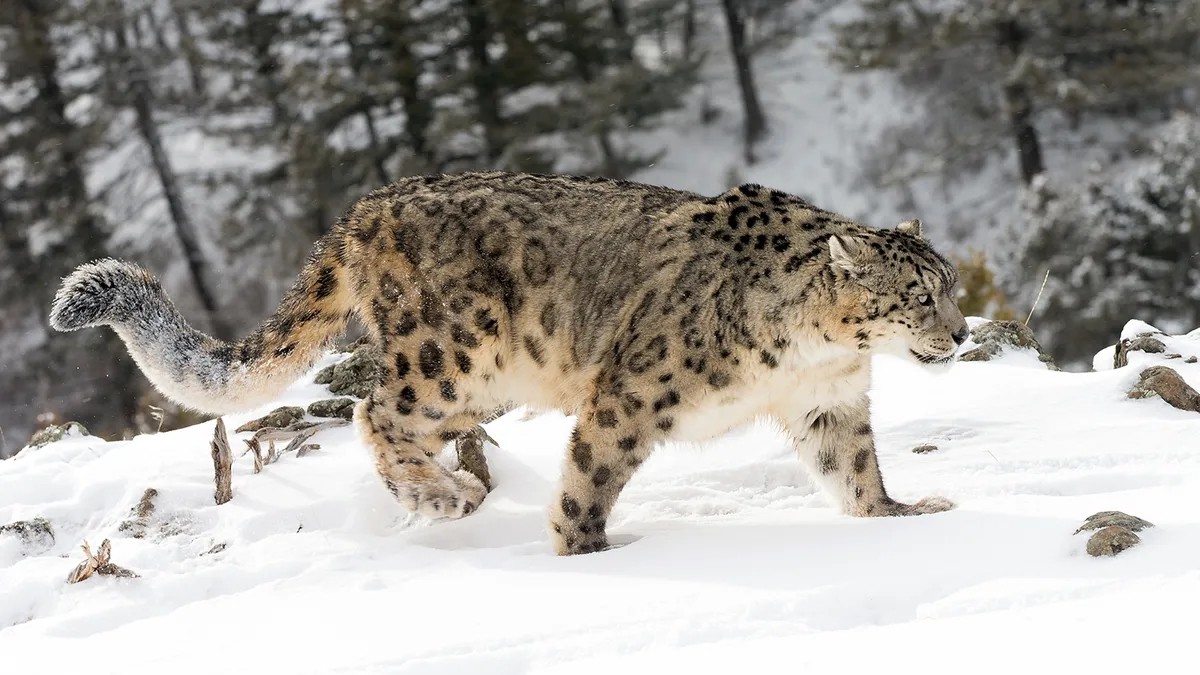
– Snow Leopards: Operating in remote, high-altitude mountain ranges, these cats rely on camouflage and extreme stealth. In an environment where prey is scarce, sharing a territory would lead to starvation; thus, they remain isolated to protect their hunting grounds.
– Polar Bears: As the largest members of the bear family, polar bears roam vast stretches of the Arctic. Their solitary nature allows them to cover massive territories in search of food, a necessity in a landscape where caloric resources are spread incredibly thin.
The Independent Foragers: Moose and Porcupines
Not all solitary animals are high-level predators; many are herbivores that find safety in being inconspicuous.
– Moose: Unlike most other deer species that congregate in herds, moose are outliers. They spend the majority of their lives grazing alone in forests, avoiding the social complexities and competition of a herd.
– Porcupines: These mammals rely on a specialized defense mechanism—their quills. Because they are well-protected by their own biology, they do not need the “safety in numbers” that many other prey animals require, allowing them to forage peacefully at night.
The Unusual Outliers: The Solitary Sandpiper
Even in the avian world, where many birds migrate in massive, coordinated flocks, exceptions exist.
– Solitary Sandpipers: While most shorebirds are highly social, this shy species is typically found alone. They exhibit unique nesting habits, often utilizing old songbird nests high in trees rather than the ground, a behavior that further distinguishes them from their more gregarious relatives.
Living alone in the wild is a calculated evolutionary choice that prioritizes resource security and individual survival over the benefits of group cooperation.
Conclusion
Solitary living is a sophisticated adaptation that allows animals to thrive in environments where competition for food and the risk of disease are high. By mastering independence, these species have carved out successful niches in the most challenging habitats on Earth.


