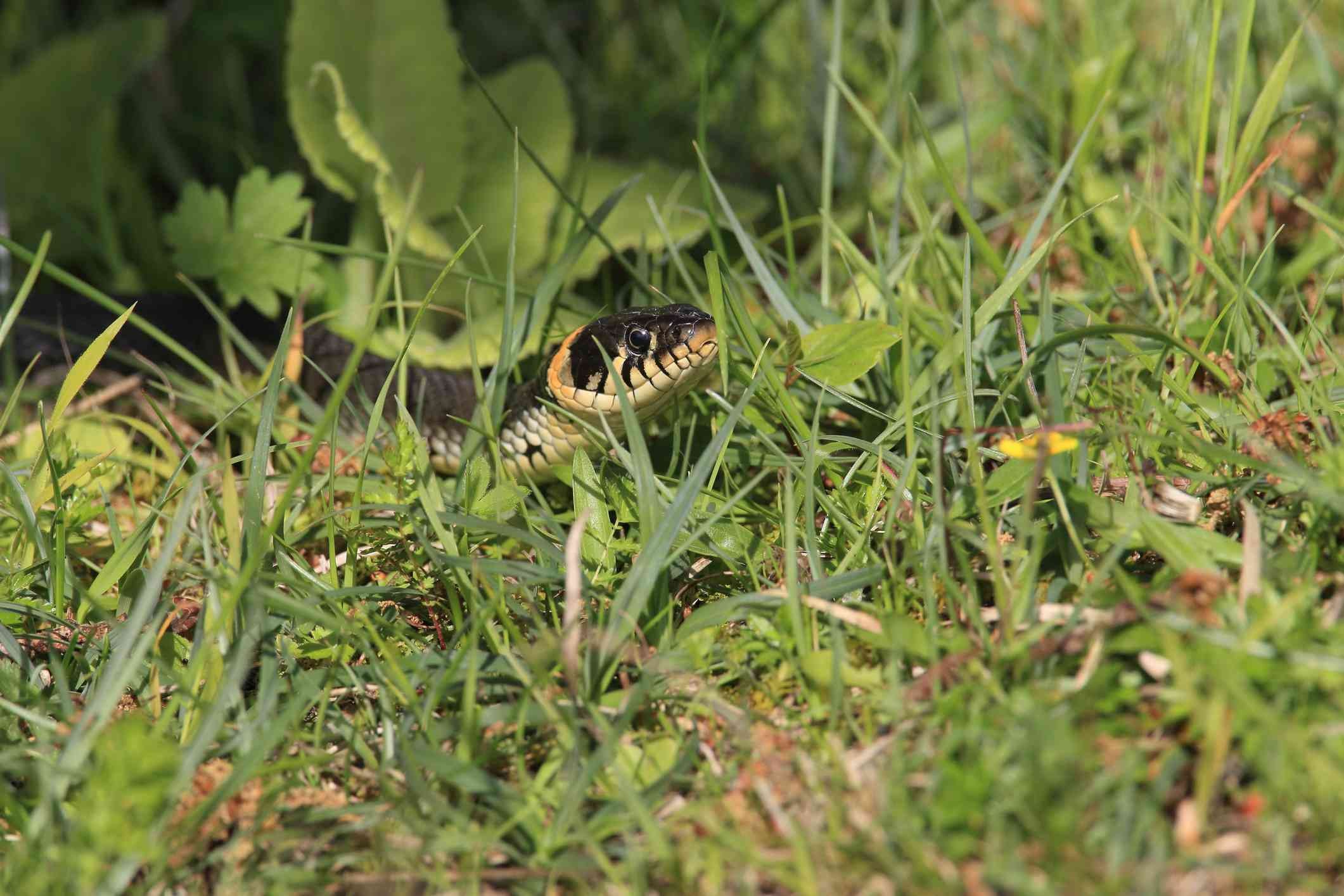
Snakes are good for the ecosystem. They eat rats. They eat bugs. They are a vital part? Sure, technically. But nobody invited them into the backyard party. And if one has fangs that actually matter to human health, the fear isn’t irrational.
It is what it is. You want them out.
There is no single magic spell. It takes layers. Make the yard inhospitable. Build barriers. Seal the house tight. It is a defense system, not a decoration project.
Kill the Comfort Zone
Snakes like water. Obviously. They need it to survive. So keep the yard dry. No fancy garden ponds if you hate serpents. Fix the drainage. Redirect those gutters away from the foundation. Standing water grows thick grass. Thick grass hides snakes.
Trim everything. Mow the lawn until it is bald if you have to. Cut back the bushes. Trim those low branches that touch the siding. Snakes hate the open. They prefer shadows. Give them sunlight instead.
And stop feeding them their food sources. That sounds abstract but it isn’t. Birds eat seeds? The birdseed drops. Rats eat the spilled seeds. Snakes eat the rats.
It’s not about hate, it’s about hunger chains.
Feed your pets inside. Put away the birdseed. Do not leave out treats for the neighborhood squirrels. Remove the lure, you remove the hunter.
Break the Hiding Spots
Snakes love burrowing. They like tight, shaded spots. Move the firewood pile. Far away. Not against the garage, across town if you can help it. Break up stone piles. Fill in those big cracks between masonry walls with mortar.
Watch your landscaping. Big rocks? They look great in magazine photos. They are perfect sunning beds for vipers. Flagstones, boulders—snakes love to lounge there when the sun is warm. Avoid them if the alternative is peace of mind.
Mulch is another trap. It holds dampness. It smells like safety to a reptile. Strip it out. Leave dirt. Or use lava rock. It looks sterile, stays dry, and doesn’t smell like home to a snake.
Check the house. Look for cracks in the foundation. Check the rim joist. Fill them with concrete patch. No cracks means no entry. Simple math.
Build a Wall of Wire
If the yard itself isn’t enough, build a fence. But not a garden fence.
Use quarter-inch metal hardware cloth. Bury it six inches deep. Stakes it every six feet. Make it forty-eight inches high. Tilt it thirty degrees outward, like an inverted bowl. If a snake climbs, it slides off. Overlap the seams by a few inches. Gaps are defeats.
Lava rocks work here too, though less reliably. Scatter a bed of sharp stones around the house. Snakes tend to avoid the jagged terrain. It’s not a wall, but it’s an annoyance. And snakes, like us, prefer comfort.
The Last Resort: Sticks and Traps
So they got in anyway. Inside the house? Bad time.
Glue traps are ugly but effective. Place them in corners, along baseboards. When a snake sticks, it cannot move.
Now you have a moral choice. Kill it? Or relocate it? If you want to be the nice homeowner, take the whole trap outside. Go somewhere wild, far from your driveway. Pour vegetable oil over the glue. The oil breaks the adhesion. The snake wiggles free.
Good Luck Getting Them Out Once They Are In
Keeping them out is the job. Getting them out? Much harder. Prevention beats remediation. Always.
Once they are in the grass, you are fighting nature. Traps are your best bet. Manual removal is for experts who carry licenses and have more time than you.
Why wait for a bite? Just close the doors. Literally.
What if you hear that hiss before you see it? Maybe you should have checked the foundation last spring.


