Living in an apartment isn’t just about saving money. It’s about proximity. You’re close to the action. You’re close to the subway. The amenities often outshine what some single-family homes offer. But there’s a catch. You share walls. You share air. And often, you share the unwanted guests that sneak in through those shared spaces.
Bugs.
It’s a universal tenant fear. From the nuisance of common houseflies to the nightmare of roaches, an infestation can make your sanctuary feel like a hazard zone. Bed bugs are the final boss here. The stress is real.
Who fixes it? Usually, the landlord or property management company bears the responsibility. But don’t bet on it. Laws vary wildly by state. Complex policies differ. Sometimes, the buck stops with you. You might find yourself grabbing bug spray instead of waiting on a maintenance ticket that never comes.
We’re breaking down five insects renters need to watch for. We’ll cover what they are. What they do. And exactly how to kill them.
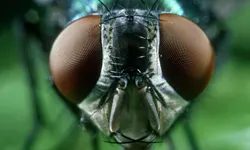
The Persistent Problem of Household Flies
Flies are the most common annoyance. They are everywhere. They are annoying. And they are surprisingly hard to fully eradicate if you don’t know their habits.
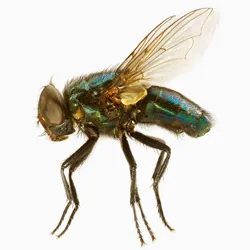
There are a few main culprits. Houseflies are the standard. They breed in decaying organic matter. Fruit flies are smaller, faster, and obsessed with overripe produce. Drain flies look like tiny moths and thrive in the gunk inside your pipes. Each requires a different approach.
Why they appear
Flies don’t just appear out of nowhere. They are attracted to three things: food, moisture, and entry points.
- Food: Open fruit bowls. Unsealed trash cans. Dirty dishes left in the sink. Crumbs under appliances.
- Moisture: Leaky faucets. Standing water in plant saucers. Damp mops left on the floor.
- Entry: Cracked window screens. Gaps around door frames. Vents that lead outside.
How to get rid of flies quickly
You don’t need professional exterminators for this. Start with sanitation.
- Remove the source. Take out the trash daily. Rinse recycling bins. Compost food waste if you have a setup, but keep it sealed.
- Kill the adults. Swatters are effective but slow. Traps are better. A simple apple cider vinegar trap works wonders for fruit flies. Add a few drops of dish soap to break the surface tension. The flies drown.
- Seal the entry. Install fine mesh screens on windows. Use weather stripping on doors. Check vent covers.
What flies need to know
Flies reproduce rapidly. A single female housefly can lay hundreds of eggs. If you see one, there are likely dozens more hiding. Don’t wait.
“Sanitation is 80% of the battle against flies. If you remove the breeding ground, the population collapses.”
Tools and materials
- Dish soap
- Apple cider vinegar
- Sticky fly tape
- Window screen repair kit
- Weather stripping tape
Safety note

The Reality of Cockroaches
Finding a cockroach scuttling across your freshly mopped kitchen floor is a specific kind of horror. These insects are built for survival. They can last weeks without food and months without water. That resilience is exactly why they congregate in kitchens and bathrooms where moisture and debris are plentiful. They fit into cracks you didn’t even know existed.
Eliminating them requires a two-pronged attack. Start with traps. Live traps help you map their hideouts. Glue traps or bait stations kill them on contact. If the infestation is heavy, spray insecticide in baseboards, under sinks, and behind appliances. Check the label. Ensure it’s safe for your children and pets before you start spraying.
Prevention is the only way to stop the comeback. Fix leaky faucets. Dampness is their lifeline. Seal exterior gaps with caulk. If you leave the doors open to the world, they’ll find a way in.
Why Ants Are Harder Than They Look
Ants are ubiquitous in apartments. They don’t carry diseases like fleas or roaches. But they are persistent. Once an ant colony establishes a trail to your sugar bowl, you are in for a long siege. They enter because your kitchen offers a buffet. Specifically, they love sweet things. Brown sugar, honey, fruit scraps. The pattern is always the same: food attracts pests.
If you see a few, lay down pesticide along the baseboards. Focus on entry points. For a larger problem, try bait. Place sugary bait stations near their trails. Ants carry the poison back to the queen. This wipes out the hive, not just the workers. Vacuuming up stragglers helps too. But you have to hit the nest to stop the flow.
Bed Bugs: The Hidden Invaders
Bed bugs are the nightmare scenario for any renter. They hide in mattresses, box springs, and headboards. They bite at night while you sleep. You might only notice small red welts in the morning. By then, the infestation is likely established.
Finding them requires a keen eye. Look for tiny brown spots on sheets. These are fecal stains. Check the seams of your furniture. Use a flashlight. If you spot them, do not move the furniture. You might spread the bugs to other rooms.
Treatment is difficult. Over-the-counter sprays rarely work. You need heat. Professional steamers can kill eggs and adults on contact. If you must use chemicals, ensure they are specifically labeled for bed bugs. Regular insecticides often repel them without killing them.
Isolation is key. Encase your mattress and box spring in bug-proof covers. Throw away infested items if possible. Wash all bedding in hot water. Dry on high heat for at least thirty minutes. The heat kills the bugs.
You can also use interceptor traps under bed legs. They catch bugs trying to climb up. Monitoring is essential. You need to know if your efforts are working. One missed bug can restart the cycle.
Neighbors matter here too. If your neighbor has bed bugs, they can travel through walls and electrical outlets. Seal cracks around pipes and outlets. Talk to your landlord. In some buildings, you need a coordinated building-wide approach. Treating just your unit might not be enough if the source is next door.
Stay vigilant. Inspect second-hand furniture before bringing it inside. Check hotel rooms when you travel. Bed bugs hitchhike. They don’t fly. They don’t jump. They walk. But they can spread fast if you aren’t careful.


You probably didn’t know what a bed bug was until around 2010. That’s when New York City became the epicenter of a massive infestation. Now they’ve spread. You’ll find them in dorms, hotels, hospitals, and apartments across the country. The worst part? Many strains resist traditional pesticides.
These aren’t just annoying. They’re parasitic insects that bite your skin at night. They suck blood. You get itchy rashes. They hide in tight spaces. They don’t carry diseases. But they are notoriously hard to kill.
Taking Action When Management Fails
If your apartment complex is dragging its feet, don’t wait. You need to act immediately. Odds are, your neighbors are infested too. Bed bugs spread easily through walls and hallways.
Contact the people next door. Ask them to treat their units. It’s the only way to stop the spread.
Clean up clutter. Vacuum thoroughly. Wash linens and clothes in hot water. You can also set off pesticide bombs. Steam cleaning works well too. It kills bugs on contact.
If none of this works, move out. It’s not a failure. It’s a strategy.
Understanding the Infestation
Why are they so hard to detect? They’re small. They hide in cracks and crevices. They’re nocturnal. You might not see them until the bite count rises.
Check your mattress seams. Look behind baseboards. Inspect furniture joints. Use a flashlight.
Prevention and Maintenance
Once you think you’re clear, stay vigilant.
- Inspect second-hand furniture before bringing it inside.
- Use protective covers on mattresses.
- Regularly vacuum your home.
- Wash bedding weekly in hot water.
It’s not just about cleaning. It’s about interruption. Break their lifecycle.
When to Call a Professional
DIY methods work for small infestations. If the problem persists, call a pest control expert. They have stronger tools. They know where bugs hide.
Don’t ignore the signs. Act fast. Your neighbors will thank you. And so will your skin.


