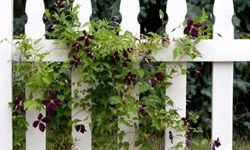
Your yard is supposed to be your escape. But it isn’t much of a retreat if you feel like you’re performing for the neighbors. Privacy is the foundation of that sanctuary. You can plant trees, sure. They work. But they take years to fill in. Sometimes you need cover now. Or you have a narrow side yard where a tree would choke the space. That is where creeping vines come in.
Keven Graham, a landscape architect with the American Society of Landscape Architects (ASLA), points out that vines are ideal for tight spots. Think side yards. Think next to a spa. They drape over things. They soften hard edges. A chain-link fence looks industrial and harsh. Cover it with blossoming greenery and suddenly it feels like part of the landscape, not a barrier keeping you in.
Before you run to the garden center, you need to know how these plants climb. It matters. Wisteria and clematis twist their tendrils around supports. They need something to grab. English ivy is different. It uses aerial roots to stick directly to rough surfaces like brick or stone. Match the plant to the structure, or nothing works.
Liz Pulver, an ASLA landscape architect licensed in New York and California, puts it plainly.
“Every plant has up sides and down sides, and plant selection is very personal.”
Some people love a dense wall of leaves. Others would run from it. Here are ten creeping vines to help you figure out which one fits your specific problem.
Which Clematis Variety Is Best for Garden Screening?
Clematis is the classic choice. You’ve seen them wrapping around mailbox poles. They are woody vines. Some stay green year-round (evergreen), others drop their leaves in winter (deciduous). The big draw is the flower. Large-flowered hybrids and cultivars put on a serious show. Graham recommends the Sweet Autumn Clematis for sun-lovers who want white blooms. He also suggests Jackman Clematis.
But there is a catch regarding privacy.
Pulver notes that climate dictates how much screening you actually get. In warmer zones, clematis can provide decent visual blocks. In cooler climates, the foliage might not get thick enough to hide your pool or patio. If you live somewhere cold and need serious cover, use clematis as a flowering accent. Pair it with a denser, leafier vine that provides the actual vegetative barrier.
Support is non-negotiable. Clematis get heavy. A flimsy trellis won’t cut it. Use a sturdy pergola or arbor. Watch the sun, too. Strong direct light can bleach some varieties’ flowers. And keep an eye out for clematis wilt, a fungal disease that can kill the plant if it gets into the stems.
English Ivy: The Dense Green Wall
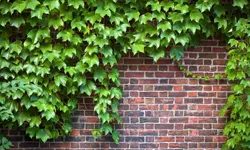
Ivy is the heavy hitter for privacy. It creates a thick, impenetrable curtain of green. It clings to walls using those aerial roots mentioned earlier. If you have a rough surface and want to disappear behind a leafy shield, this is your go-to.
It grows fast. That is good for quick privacy. It is also why you have to watch it. Ivy can be aggressive. It can seep into mortar joints on older brickwork. It can clog gutters. If you have a historic home with delicate masonry, think twice. For a solid, modern wall or a fence, it is nearly unbeatable for creating a sense of enclosure.
It stays green through winter. That means you get privacy even when the rest of the garden is bare. The downside? It can smother other plants beneath it. It is a monoculture machine. You plant ivy, you get ivy.
Virginia Creeper: The Fall Color Option
If you want privacy that changes with the seasons, look at Virginia Creeper. It is not a true creeper in the sense of staying low; it climbs. It uses adhesive pads to stick to surfaces. No tendrils needed. It spreads wide and covers large areas quickly.
The leaves start green. In the fall, they turn a brilliant, fiery red. It is a stunning visual payoff for the effort of training it. It is native to much of North America, which means it is tough. It handles poor soil and drought better than many ornamental imports.
It gets big. Very big. If you plant it near a window, it will eventually obscure the view completely. That is the point, right? But it means you have to commit to the space. Trim it back if you need light. Let it run if you need solitude.
Jasmine: Scent and Privacy Combined
Privacy doesn’t have to be silent. Jasmine brings scent to the mix. It is a flowering vine that smells incredible in the evening. It climbs by twining. It needs a trellis, an arch, or a fence with gaps for its stems to loop through.
It is not the densest screener. The foliage can be somewhat sparse depending on the variety. You might see through it if you look closely. But the blooms and the fragrance create a sensory barrier. It feels more private because you are immersed in scent, even if a neighbor could technically see your face from twenty feet away.
Best planted in full sun. It loves heat. In cooler climates, it might struggle to bloom heavily or might not survive the winter if it is a tender variety. Check your hardiness zone.
Wisteria:

English ivy: The evergreen wall that needs checking
English ivy isn’t just decoration. It’s a historic workhorse for coverage and privacy. The leaves are dark, glossy, green, and they stay that way through the winter. That matters. Most things die back when the cold hits. Ivy doesn’t. If you plant it in a sheltered spot, it handles lower temperatures like a champ. You get a living privacy barrier all year round.
It can grow fast. Over 30 feet (9 meters) is possible. That’s huge. If you let it run wild, it stops being an accent and starts being a problem. Pruning is non-negotiable. Keep it trimmed or it will overwhelm your garden.
Want something different? There are cultivars. Some have white-tipped leaves. Others are heart-shaped and yellowish-green. Same coverage, different vibe.
But if you want color with that historic feel, move on. The next vine changes the game.
Morning glory: Fast color, temporary privacy
Morning glories have been a favorite for over a century. You know the look. Funnel-shaped flowers. They come in crisp blue, pure white, and everything in between.
Here’s the catch. In most of the country, they’re annuals. They die when the frost comes. So, that privacy screen you built in summer? It’s gone in winter. You lose the barrier.
But the flowers are unique. Some varieties only open at dusk. Others need limited light to bloom. That visual payoff might be worth the winter gap. You trade year-round cover for intense, daily bursts of color.
Problem vines: When beauty becomes a liability
Vines bring flowers. They bring scent. They bring privacy. They also bring headaches.
Some vines get out of hand. Pruning keeps many in check. But some are classified as noxious or invasive. You can’t just cut them back and hope for the best. Certain states have strict guidelines on these plants.
Check with your local agricultural extension specialist. Or look at the U.S. Department of Agriculture’s PLANTS Database. Don’t guess. Know if your vine is welcome or wanted gone.
Trumpet vine: The hummingbird magnet
Trumpet vines aren’t just about the blooms. They’re about the wildlife. This is a perennial vine. It climbs using aerial roots that stick directly to surfaces. Brick, wood, stone. It holds on tight.
It likes sun. It’s also very drought-tolerant. Once established, it barely needs water. The most common variety has orange-red flowers. You can find yellow ones too. The flowers are long tubes, about 4 to 6 inches (10 to 15 centimeters) in length.
That shape is key. It attracts hummingbirds. They hover and suck the nectar right out of the tube. If you want to see them, placement matters. Put the vine on a lattice next to a deck. Near a seating area. Or where you can see it from a window. Don’t plant it in a blind corner. You’ll miss the show.
Wisteria

How to train wisteria on fences and pergolas without breaking them
Wisteria isn’t just a vine. It’s a freight train with flowers.
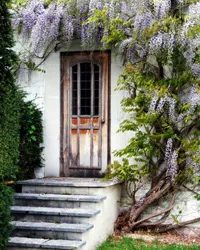
Most people picture those classic light purple drooping clusters. They’re iconic. But don’t ignore the white, pink, or blue varieties. They exist. And they look just as dramatic.
The catch? Patience.
Wisteria takes a couple of years to actually flower. You plant it. You water it. You wait. It’s boring. Don’t get discouraged. Most homeowners give up too soon. Let it establish.
“It grows quickly, has beautiful flowers and a lovely scent,” says Liz Pulver, ASLA, a landscape architect licensed in New York and California. “It should be given support and can be easily trained up pergolas, trellises and posts.”
Support is non-negotiable. Wisteria is heavy. It will snap weak trellises. Use sturdy wood or metal pergolas. Train the main stem vertically. Then let the secondary branches grow horizontally. This creates the structure for those cascading blooms.
You can also run it across the top of a fence. The long blossoms will spill over the sides. It looks romantic. It works best in sunny spots that are sheltered from harsh winds. Direct sun means more flowers. Shelter means less wind damage.
Which climbing rose varieties offer the best scent and coverage?
Climbing roses are different from bush roses. They use thorns to grip surfaces. Not just for protection. For climbing.
They make great cut flowers. The scent is often stronger too. But you need to manage them.
Do they need tying?
Yes. Especially in windy areas. Thorns aren’t always enough to hold onto a smooth post in a gale. Tie them securely.
Colors and varieties
You aren’t stuck with red.
– Don Juan : Deep red. Bold.
– Joseph’s Coat : Bi-colored. Yellow and red.
– Purity : White. Clean.
– Yellow : Various shades available.
Where to plant them
Well-drained soil. Full sun. Poor drainage rots the roots.
Design ideas
Create a tunnel. Use support rods. Let the roses grow up and around them. Walk through scent and color.
Or use an arch at your yard entrance. Pair climbing roses with clematis and jasmine. This gives you that cottage-garden vibe. Layer the plants. Jasmine at the base. Clematis weaving through. Roses on top. It’s a vertical salad of blooms.
How to grow jasmine for fragrance and privacy
Jasmine is the scent engine.
It pairs well with roses. It climbs. It smells incredible. But it needs heat. Cold kills the buds.
Plant it near a patio or walkway. You want to smell it when you’re outside. Like the roses, it needs full sun. At least six hours a day.
It can grow fast. Too fast. Prune it after flowering. Usually late spring or early summer. Cut back the long shoots to keep it tight. If you let it run wild, it becomes a tangled mess.
Use it on fences. Use it on arbors. It’s less aggressive than wisteria but still needs guidance. Train the main stems. Let
Jasmine: The Fragrant Climber You Need to Train
Scent matters. Jasmine delivers it in spades.
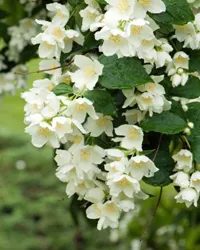
This white-flowered vine thrives in sunny spots, provided you keep the soil moist. Dry conditions kill the vibe. The most popular choice is common jasmine. It blooms with those classic fragrant white flowers. Hummingbirds and butterflies come running.
Most jasmine varieties are semi-tropical. That means timing is everything. Plant in the spring. Wait until the frost is gone. If you plant too early, you’re digging up dead plants.
Here’s the catch: jasmine doesn’t just climb. It twines. It wraps itself around whatever it finds. You need to provide support. An arbor works. A trellis near the house works. Line a path with it. Let visitors walk through the smell.
How to Grow Scented Honeysuckle Without Mistakes
Honeysuckle offers scent and privacy. But not all honeysuckle smells. Check the label. Some varieties are silent.
You have two types: evergreen or deciduous. The flowers are thin and elongated. Colors range from yellow to red. Wildlife loves them.
“Butterflies, bees and hummingbirds all like this vine’s flowers,” says Liz Pulver, ASLA, a landscape architect licensed in New York and California.
Location matters. Honeysuckle has a specific request. It wants full sun on the leaves. But it prefers shade at the roots. Hot soil stresses the plant. Cool roots keep it happy.
Use it to build a fragrant entrance arch. Cover an ugly tree stump. Hide fence posts. It’s a functional cover-up.
Passion Flower: The Architectural Statement
Passion flower is less about scent and more about structure. The blooms look alien. Complex. Intricate.
This vine is vigorous. It climbs fast. It needs a sturdy support system. A weak trellis will snap. Use heavy wire or thick wood.
The leaves are deeply lobed. The flowers are purple, white, or blue. They bloom in summer. The visual impact is high. It’s a conversation starter.
Plant it where you can see it. A patio wall. A porch column. It provides instant vertical interest. Just remember to prune. It grows wild. Left unchecked, it takes over.
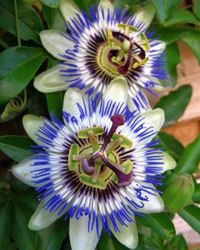
Blue and purple passion flowers for cooler climates
Passion flowers bring that exotic backyard vibe. Complex blooms with distinct leaf colors and filaments. Mostly tropical, yes. But a few varieties handle temperate weather just fine.
The blue passion flower works as an evergreen climber in cooler zones. If you are in a warmer part of the United States, look at the purple passion flower. It sports unique purple or white flowers. Sometimes it even produces a fruit that looks like a yellow egg.
These vines climb using twining tendrils. They wrap around supports. Great for trellises, fences, or even shrubs. Adds color. Adds coverage.
Virginia creeper vs poison ivy: how to tell them apart
Virginia creeper is a different beast. People grow it for the leaves, not the flowers. Dark green in summer. Deep red in fall.
Easy to mistake for poison ivy. Big mistake. Look at the leaflets. Poison ivy has three. Virginia creeper has five. Five distinct leaflets. Another clue? Bluish-black berries. Toxic to humans. Birds love them.
It clings to surfaces with adhesive extensions. Not just twining. Sticking.
“It’s very aggressive; as it grows, it clings onto everything,” says Keven Graham, ASLA, principal and landscape architect of Planning Resources in Illinois.
Use it to hide an ugly fence. Cover a vertical wall. It creates a barrier.
Choosing the right privacy vine for your yard
Privacy is the goal. Whether you use Virginia creeper on a fence or large-flowered clematis on a lattice by the deck. Vines offer beauty and function.
How do you pick the right one?
- Growth rate. Do you want fast cover or slow growth?
- Maintenance. Are you willing to prune?
- Blooming season. Do you care if it flowers?
- Evergreen or deciduous. Do you need winter privacy?
Most privacy vines need pruning. Control the growth. Give them sun. Water them. They thrive when you help them.
Which vine fits your space? Consider the structure. Consider the look. Consider the work.


