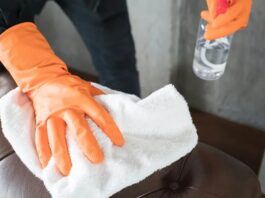
You spent eight hours wrestling with a stubborn tree stump. Now you step into your bathroom, and the shower stall looks worse than your hands do. That isn’t just gross. It is a health hazard. Mildew spores love stagnant, damp environments. Your bathroom is essentially a petri dish waiting to happen if you do not treat it with respect.
Keeping a shower stall sanitary is not about scrubbing until your arms fall off. It is about strategy. It is about using the right chemistry to do the work for you.
The Shower Stall Strategy
Glass and tile enclosures are high-maintenance. They show every drop of water. But you can stop the grime before it starts.
First, build a habit. Wipe down the shower walls with a towel after every use. It takes thirty seconds. It prevents the moisture from sitting long enough for mildew to take root. If you are prone to mold issues, spray the area with a mildew inhibitor and disinfectant every few weeks.
Airflow matters. Leave the shower door cracked open when you are done. Stagnant air breeds fungus. Moving air kills it.
Cleaning Hard Water and Soap Scum
Hard water leaves mineral deposits. They look like white crust on your glass. White vinegar handles this easily. Dilute it with water in a spray bottle. Apply it to the glass. Wipe it off with a sponge. The glass will sparkle.
Soap scum is the oily film that builds up. It sticks to everything. For heavy buildup, try this mixture: one cup of liquid fabric softener to one quart of warm water. It breaks down the oils. Spray it on. Let it sit. Wipe clean.
Another option is mineral oil. Mix one part mineral oil with four parts water in a spray bottle. Spray it on the soap scum and dirt. Wipe off with a sponge. The oil helps lift the grime without harsh chemicals.
For metal frames, lemon oil removes water spots and adds shine. Avoid harsh abrasive powders. Never use steel wool. You will scratch the finish. Scratches trap dirt. That is how you get permanent stains.
Preventative maintenance works better than reaction. Coat tile walls with furniture polish. It creates a barrier against soap scum and water spots. You will wipe less often.
The Shower Head Problem
A clogged shower head makes water pressure terrible. It also looks dirty. Take the head off. Take it apart if you can. Soak it in vinegar overnight. In the morning, use an old toothbrush to brush away the loose deposits. Poke the tiny holes with a wire, pin, or toothpick. Clear the blockage. The water flow should return to normal.
If the grout or caulking cracks where the walls meet the floor, fix it immediately. Water gets behind the seal. It rots the wood. It causes structural damage. Do not ignore a small crack.
Bathtub Materials Matter
Most tubs are porcelain. Older ones are porcelain over cast iron. Newer ones might be porcelain over steel. Fiberglass and acrylic are common in new builds. They are lighter. They are easier to install. They are also less durable.
Fiberglass scratches easily. Do not use abrasive cleaners on fiberglass. You will ruin the surface. Porcelain can handle a bit more abuse but still requires care.
Cleaning Porcelain Tubs
Use nonabrasive powder or liquid cleanser. Sprinkle the powder on a damp sponge. Rub it onto the porcelain surface. For stubborn soil, use a synthetic scouring pad. Rinse well.
Remove hair from the drain trap. Clogs are a nightmare. Prevent them by cleaning the trap regularly.
Handling Stains and Discoloration
Rust stains are tough. Commercial rust removers work well. They contain acid. Wear rubber gloves. Protect your skin.
For yellowed porcelain, try a paste of cream of tartar and hydrogen peroxide. Apply it to the stain. Let it dry. Wipe it off.
You can also use borax moistened with lemon juice. Scrub it into lightly stained areas with a brush. Rinse well.
A ring around the tub can sometimes be removed without chemicals. Use a nylon net ball or pad. The texture lifts the ring.
For stubborn rings, apply the cream of tartar and hydrogen peroxide paste again. Let it dry completely. Wipe it off.
Yellowed tubs can be treated with salt and turpentine. Rub the solution into the tub. Rinse well. Wear rubber gloves. Turpentine is strong.
A Powerful Homemade Cleaner
Sometimes you need something strong. Here is a mixture that cuts through heavy grime.
Mix half a cup of vinegar, one cup of ammonia, one-quarter cup of baking soda, and one gallon of hot water.
Caution: Wear rubber gloves. Work in a well-ventilated area. This is a powerful solution.
Apply it to the shower walls with a sponge. Scrub with a brush if needed. Remove all the scum. Rinse well with clear water. Wipe dry.
Cleaning the tub and shower is only half the battle. Your shower curtain and bath mat harbor bacteria too. Treat them with the same care.